Can fintech power Uzbekistan's economic future?
Government officials, investors and technology leaders have gathered in Tashkent for the inaugural Silk Road Fi...
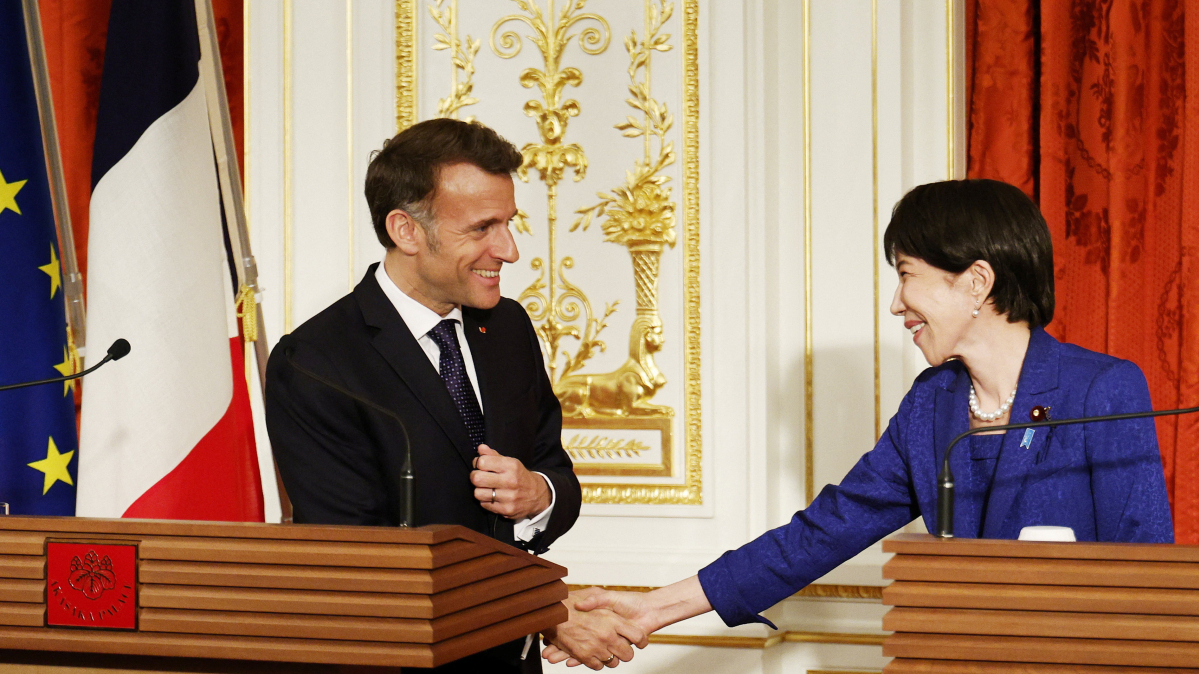
Japan and France agreed on Wednesday to coordinate closely in efforts to end the U.S.-Israeli war with Iran and reopen the Strait of Hormuz to oil and gas tankers, Prime Minister Sanae Takaichi said.
"Because the international situation is so challenging, I believe there is great significance in the leaders of Japan and France deepening their personal ties and making our cooperation even stronger," Takaichi said after talks with French President Emmanuel Macron in Tokyo.
With the Middle East conflict now in its fifth week, Japan, France and other countries are grappling with rising energy costs. Unless the conduit for roughly a fifth of global oil and liquefied natural gas flows reopens, they could face shortages of petroleum products.
Japan, which typically sources around 90% of its oil from the Middle East, has begun drawing on its reserves to cushion the economic impact.
Speaking alongside Takaichi, Macron said he shared her position on the need to restore freedom of navigation in the strait.
France has held talks with dozens of countries as it seeks proposals for a mission to reopen the waterway once the conflict ends. Japan has said it could consider dispatching minesweepers, although any role would be constrained by its pacifist constitution.
The two leaders also said they would pursue closer security ties in the Indo-Pacific and signed agreements on cooperation in critical mineral supply chains, civilian nuclear technology and artificial intelligence.

Oil prices fell after the U.S. expanded economic sanctions on Iran, as Tehran vowed to retaliate and warned it had tools to respond, raising concerns over potential disruption to regional oil supplies.
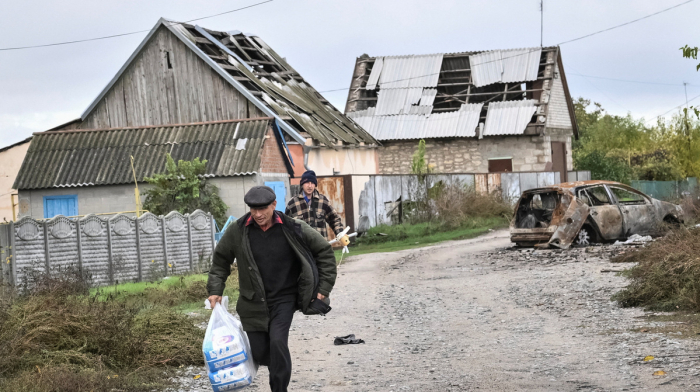
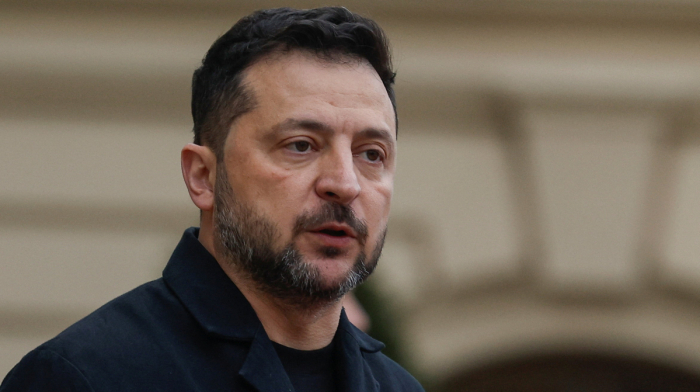
Ukraine’s President Volodymyr Zelenskyy said on Monday that Kyiv wants peace but will not surrender to Russia, as foreign leaders joined Independence Day events marking 35 years since Ukraine’s independence.
Kyiv has recently received a small number of U.S.-made Patriot interceptors capable of downing Russian ballistic missiles, Ukrainian President Volodymyr Zelenskyy has said. It comes as Britain and France pledged stronger military support for Ukraine.
Only four commodity vessels crossed the Strait of Hormuz on Sunday, following 13 transits a day earlier, as disruptions continue to restrict traffic through the key energy chokepoint.
Pakistan is stepping up efforts to protect its trade and energy supplies as the Iran war disrupts shipping through the Persian Gulf, driving up freight costs and putting pressure on key export routes.
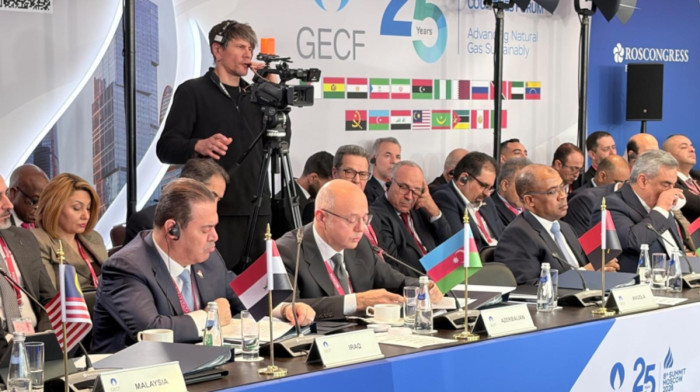
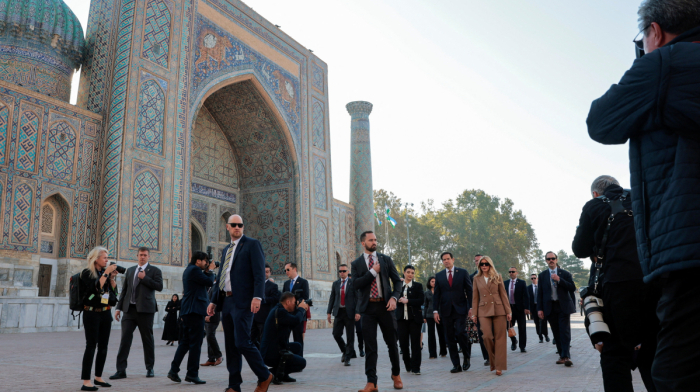
Government officials, investors and technology leaders have gathered in Tashkent for the inaugural Silk Road Finance and Technology Forum, a new platform aimed at exploring how financial technology can drive economic growth across Central Asia.
Türkiye has established four sub-commissions to oversee the implementation of a new legal framework tied to the disarmament of the outlawed Kurdistan Workers’ Party (PKK).
Central Asia is moving beyond experiments with digital assets as governments begin putting new forms of digital money into practice.
Parents in Gaza are being urged to stop their children flying kites after Israel threatened tougher military action over those drifting across the border.
Armenia is “free” to leave the Collective Security Treaty Organisation (CSTO), Kremlin Spokesperson Dmitry Peskov has said. He made the remarks after Armenian Prime Minister Nikol Pashinyan said he would be “very pleased” if the Russian-led military alliance expelled Armenia.
You can download the AnewZ application from Play Store and the App Store.
What is your opinion on this topic?
Leave the first comment