live Iran reopens Hormuz Strait, demands end to U.S. naval blockade- Saturday 18 April
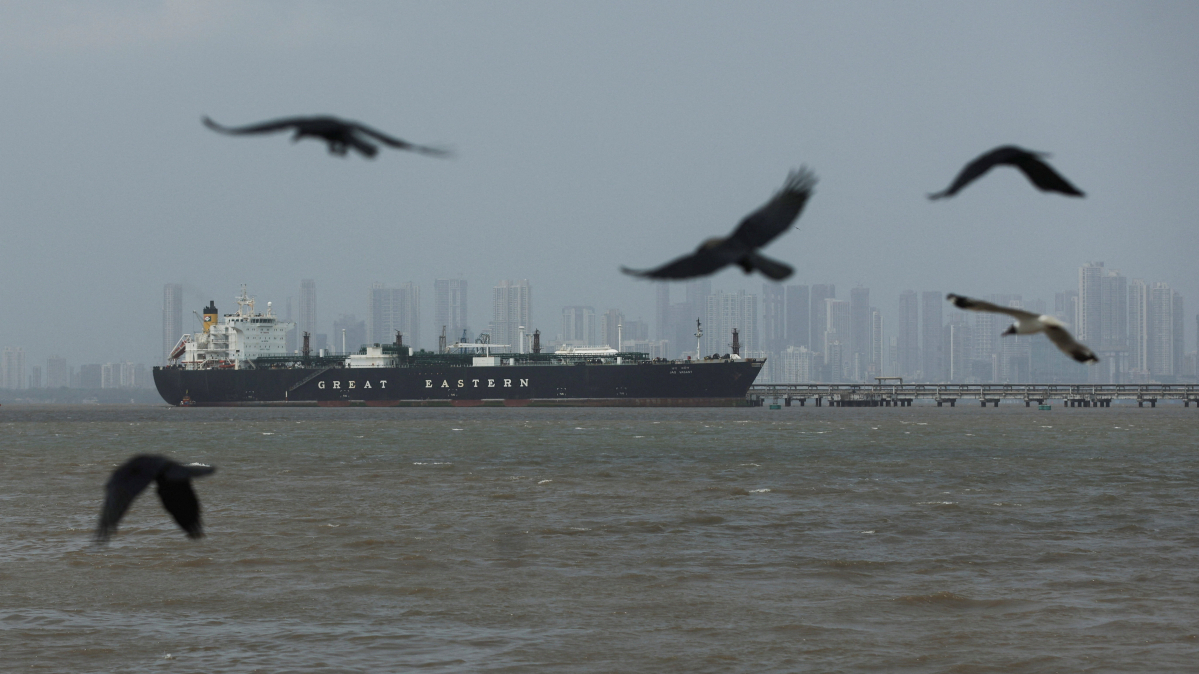
Iran temporarily reopened the Strait of Hormuz on Friday (17 April) following a ceasefire agreement in Lebanon, ra...
UK Prime Minister Keir Starmer, French President Emmanuel Macron and Japanese Prime Minister Sanae Takaichi have called for urgent action to reopen the Strait of Hormuz, as escalating conflict continues to choke one of the world’s most critical energy routes.
Starmer said Foreign Secretary Yvette Cooper will host a meeting of international leaders to assess options for restoring safe passage through the strait.
The move comes amid growing concern over the conflict’s impact on global energy supplies and trade. The Strait of Hormuz is a vital corridor through which around a fifth of the world’s oil and liquefied natural gas flows..
The disruption has already triggered one of the most severe energy shocks in decades.
The International Energy Agency has warned that supply losses are set to rise sharply, with shortages of key fuels such as diesel and jet fuel already emerging in parts of Asia and expected to reach Europe in the coming weeks.
In Tokyo, Macron reaffirmed the importance of freedom of navigation, saying he shared Takaichi’s position on the need to restore access to the waterway.
Speaking alongside Takaichi, Macron stressed that maintaining open sea lanes is essential for global economic stability, as markets continue to react to disruption caused by the conflict.
The closure of the strait has already cut millions of barrels per day from global supply, according to industry estimates, driving sharp volatility in oil prices. Analysts warn that prolonged disruption could push prices significantly higher and increase the risk of a global recession.
The crisis has effectively halted most traffic through the strait, intensifying pressure on energy markets and raising fears of wider economic fallout if access is not restored.

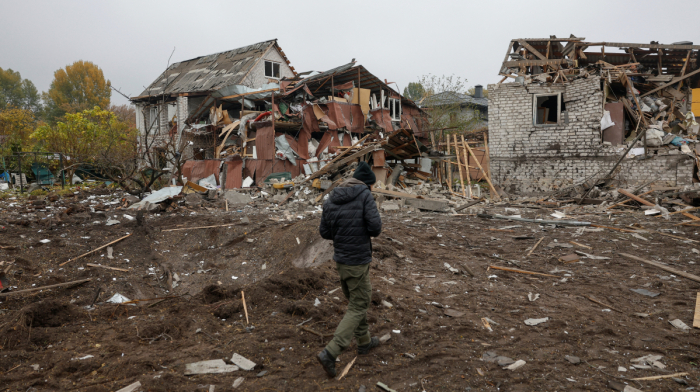
The past 24 hours of the Russia-Ukraine war have seen a drastic escalation in both aerial bombardment and frontline losses.
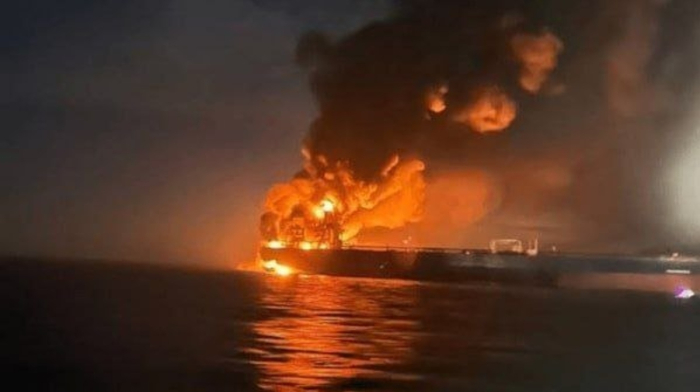
Iran reopened the Strait of Hormuz to commercial shipping on Friday (17 April) for the first time since the U.S. and Israel killed Iran's ex-Supreme Leader in air strikes, triggering the Middle East conflict, at the end of February. A U.S. blockade on Iranian ports, however, remains in force.
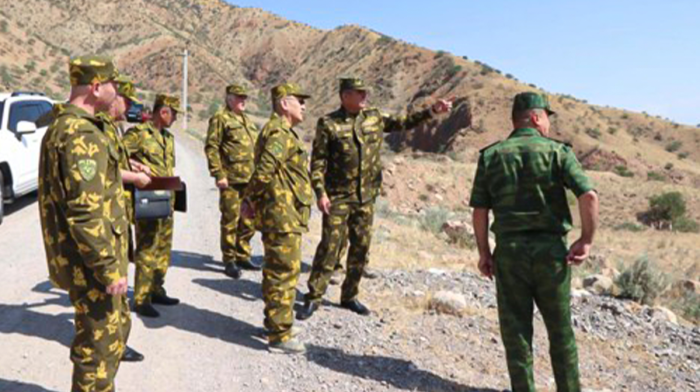
Russia published addresses of manufacturers allegedly producing drones or components for Ukraine on Wednesday (15 April), warning European countries against plans to step up UAV supplies to Kyiv.
Netflix shares fell sharply on Friday after the streaming group issued a weaker-than-expected outlook and said chairman and co-founder Reed Hastings will step down from the board.
U.S. President Donald Trump says Israeli and Lebanese leaders have agreed to a 10-day ceasefire that includes Hezbollah, raising cautious hopes of a pause in hostilities after weeks of escalating tensions.
Australia and Japan signed contracts on Saturday (18 April) launching their landmark A$10 billion ($7 billion) deal to supply Australia with warships, Tokyo's most consequential military sale since ending a military export ban in 2014.
European leaders have set out plans for a coordinated defensive mission to restore freedom of navigation in the Strait of Hormuz, once security conditions allow, following talks involving more than 40 countries.
NeaNearly 900 Rohingya refugees were reported missing or dead in the Andaman Sea off Myanmar in 2025, making it the deadliest year on record, the United Nations Refugee Agency said on Friday.
Tens of thousands of people filled a stadium in Douala on Friday, hoping to catch a glimpse of Pope Leo during what is expected to be the largest event of his African tour.
AmerAmerican businesses are preparing for a major moment next week as the U.S. government launches a long-awaited system to return billions in unlawfully collected tariffs.
You can download the AnewZ application from Play Store and the App Store.
What is your opinion on this topic?
Leave the first comment