Pope Leo XIV invited to Azerbaijan by President Aliyev
Pope Leo XIV has been invited to visit Azerbaijan by President Aliyev during talks with a senior Vatican official in Baku. The invitation was extended...
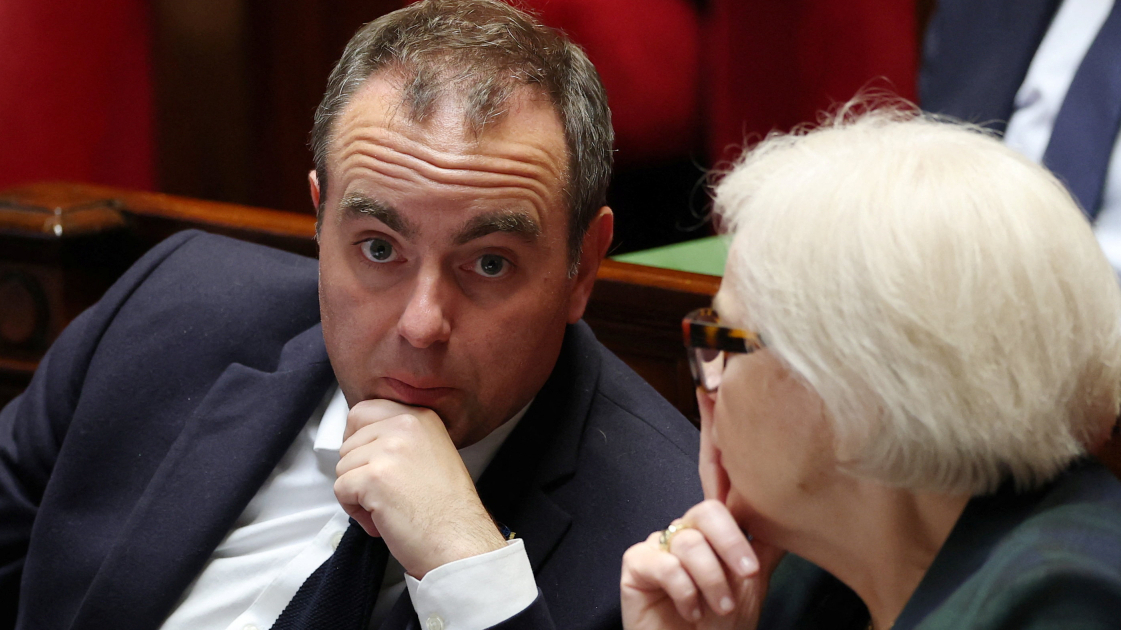
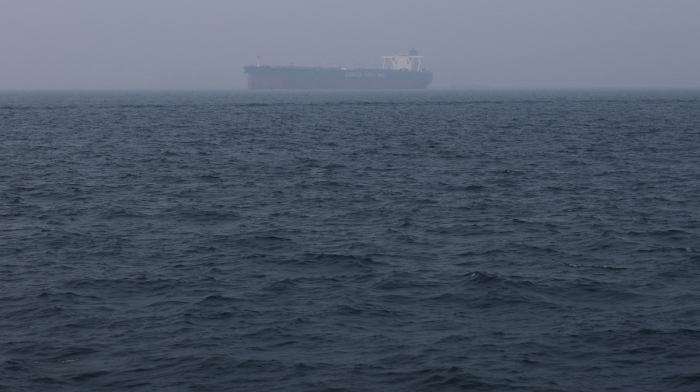
France will not take part in military operations to open the Strait of Hormuz by force, but is prepared to help secure key maritime routes, Prime Minister Sébastien Lecornu told lawmakers amid escalating tensions in the Middle East.
“France is not a party to the conflict; it will not participate in military operations to open the Strait of Hormuz by force; it will not allow itself to be drawn into a war that it did not choose,” Lecornu said in the National Assembly.
However, he stressed that France stands ready to work with partners to ensure the security of shipping routes in line with international law.
“We are facing a problem of energy costs, not a problem of access. We must do everything to ensure that this maritime traffic crisis does not become an energy crisis,” he added, referring to the strategic waterway.
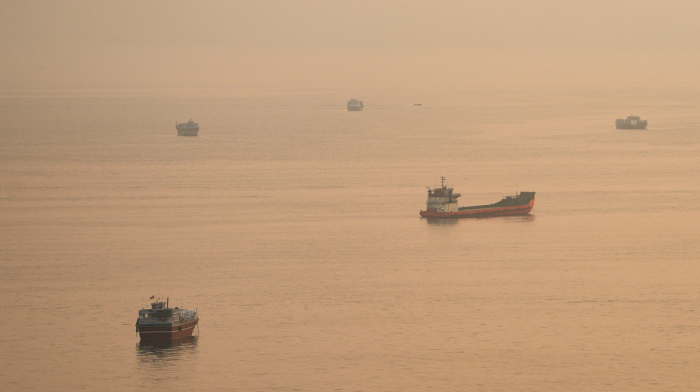
Shipping through the Strait of Hormuz - a crucial route for global trade and energy supplies - has been severely disrupted by rising tensions in the Gulf. The escalation followed joint U.S.-Israeli strikes on Iran on 28 February and Tehran’s subsequent retaliation.
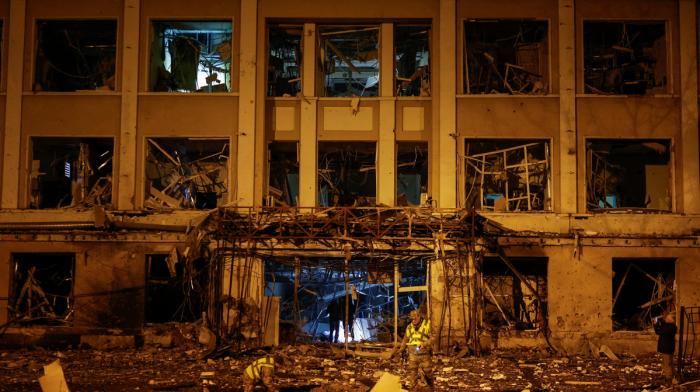
Lecornu warned that the conflict is widening, describing it as “a war that is spreading, hitting civilian infrastructure, threatening maritime security, and destabilising an entire region over the long term.”
He also announced plans to invest an additional €8.5 billion (about $9.8 billion) in munitions between 2026 and 2030 as part of an update to France’s military programming law, which will be debated in parliament later this year.
“It is essential and it is colossal,” he said, adding that a new “France Munitions” platform will soon be created to supply the country’s armed forces and allies.
The ongoing escalation has reportedly killed more than 1,340 people, while Iran has responded with drone and missile strikes targeting Israel as well as U.S. military assets in Jordan, Iraq and Gulf states.

Details of a reported draft memorandum of understanding between the United States and Iran offer the clearest picture yet of how both sides plan to end months of conflict and move towards a longer-term settlement.
The U.S. and Iran say they have reached a deal to end their conflict, with an immediate ceasefire and reopening of the Strait of Hormuz after the lifting of the U.S. naval blockade. Talks will continue over the next 60 days to finalise the agreement
A senior U.S. official said on Monday that the memorandum of understanding linked to the U.S.-Iran agreement had been signed by President Donald Trump, Vice President JD Vance and Iranian Parliament Speaker Mohammad Bagher Qalibaf.
Israeli Prime Minister Benjamin Netanyahu has told U.S. President Donald Trump that Israel does not consider itself bound by a Lebanon-related provision in an emerging agreement with Iran, according to Israeli officials.
A strong 6.7-magnitude earthquake struck Indonesia's Sulawesi island early Tuesday, killing at least one person and injuring four, according to emergency authorities.
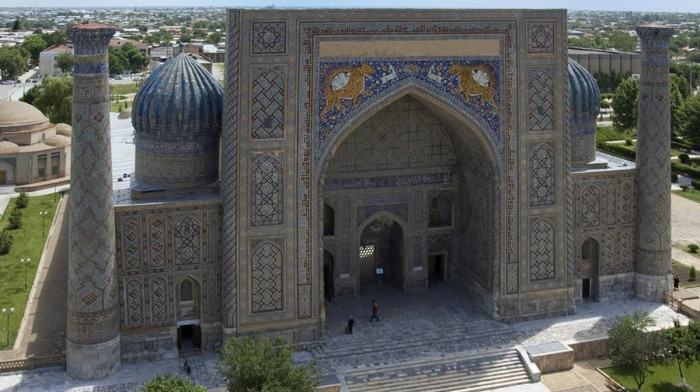
Pope Leo XIV has been invited to visit Azerbaijan by President Aliyev during talks with a senior Vatican official in Baku. The invitation was extended during a meeting on Tuesday between President Aliyev and Cardinal George Jacob Koovakad, who is responsible for interfaith affairs at the Vatican.
Israel's Supreme Court has rejected an appeal seeking the release of prominent Palestinian doctor Hussam Abū Ṣafiyah, who has been held without charge since his detention in Gaza in late 2024.
An exiled Russian artist has been shot dead in Poland days after he carried out a one-man protest against Vladimir Putin, featuring a caricature of the Russian President as a baby held by the Soviet-era dictator Joseph Stalin.
Kazakhstan has signed a $10 billion agreement with Firebird and NVIDIA to build one of Central Asia's largest AI computing hubs, as governments increasingly compete for the infrastructure needed to power artificial intelligence.
A secretive offshore oil transfer network backed by U.S. military support has helped keep Gulf energy exports flowing despite major disruption around the Strait of Hormuz, a Reuters investigation has found.
You can download the AnewZ application from Play Store and the App Store.
What is your opinion on this topic?
Leave the first comment