Bahrain has put forward a draft United Nations Security Council resolution that would authorise countries to use "all necessary means" - diplomatic language for force - to protect commercial shipping in and around the Strait of Hormuz, according to a text seen by Reuters on Monday.
Diplomats said the draft text was backed by other Gulf Arab states and the United States, although they said it was unlikely to get through the council, where Russia and China had veto power.
France circulated a more conciliatory alternative draft resolution, seen by Reuters, on Monday evening.
The move underscores mounting concern in the region that Iran could continue to threaten the Strait of Hormuz, a strategic chokepoint that carries about a fifth of global oil supplies and underpins Gulf economies.
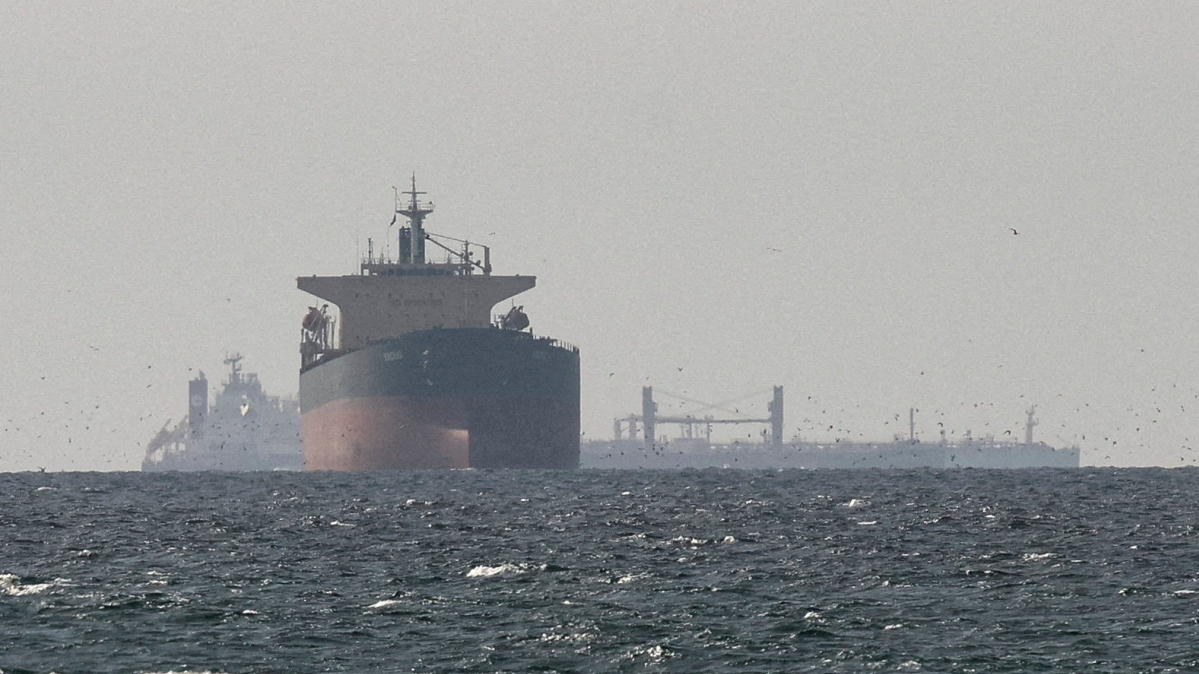
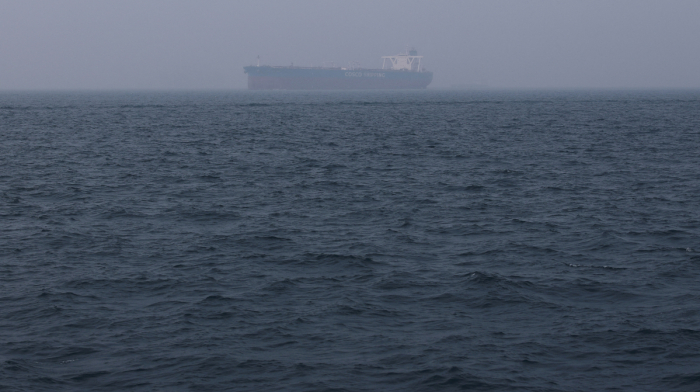
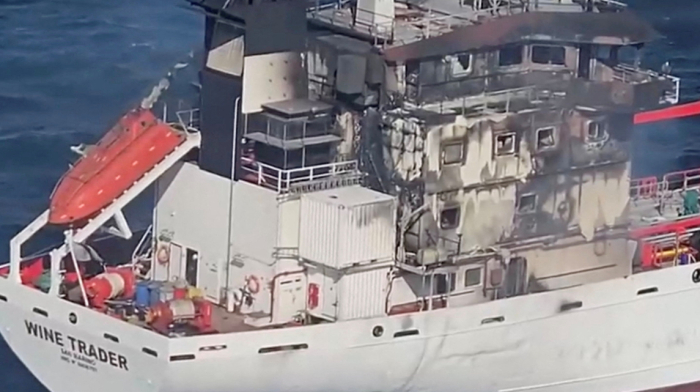
Closing the Strait has been one of Iran's main objectives. Shipping through the waterway has ground to a near-halt after Iran hit vessels in its conflict with the U.S. and Israel.
The draft resolution calls Iran’s actions a threat to international peace and security.
The Bahraini text would authorise countries, acting alone or through voluntary multinational naval coalitions, to use "all necessary means" in and around the Strait of Hormuz - including in the territorial waters of countries along its shores - to ensure passage and to prevent moves that block or interfere with international navigation.
The resolution also expresses the readiness to impose measures, including targeted sanctions.
The Bahraini and U.S. missions at the UN did not immediately respond to requests for comment.
The draft text "demands that the Islamic Republic of Iran immediately cease all attacks against merchant and commercial vessels and any attempt to impede lawful transit passage or freedom of navigation in and around the Strait of Hormuz."
The resolution would be placed under Chapter Seven of the UN Charter, which allows the council to authorise actions ranging from sanctions to the use of force.
Two European and one Western diplomat said there was little prospect of such a resolution being adopted by the Security Council as Iran's allies Russia and China were likely to veto the text if needed.
A resolution needs at least nine votes in favour and no vetoes by Russia, China, the U.S., Britain and France to be adopted by the 15-member body.
The Russian and Chinese missions to the United Nations were not immediately available for comment.
French resolution makes no mention of Iran
France on Monday put forward its own draft, seeking a more conciliatory tone and broader support within the council.
President Emmanuel Macron, who has suggested having a UN framework for any action in the Hormuz, has refused to take part in any immediate operations to secure the Strait saying that international efforts could only happen once hostilities calm and with Iran's consent.
The French resolution makes no mention of Iran and is not under Chapter Seven. It "urges all parties to refrain from further escalation, calls for a cessation of the ongoing hostilities in the Persian Gulf, the Strait of Hormuz and the Gulf of Oman, and calls for a return to the path of diplomacy."
Rather than authorising action, the text encourages states with an interest in commercial maritime routes in the Strait of Hormuz to coordinate strictly defensive efforts to ensure the safety and security of navigation, including through the escort of merchant and commercial vessels, in full respect of international law, including the law of the sea.
France's foreign ministry did not immediately respond to a request for comment.
Three U.S. officials have told Reuters that 2,500 Marines, along with the USS Boxer, an amphibious assault ship, and accompanying warships would deploy to the region, although they did not say what their role would be.
Two officials said there had been no decision on whether to send troops into Iran itself. Sources previously told Reuters that possible targets could include Iran's coast or Kharg Island oil export hub.











What is your opinion on this topic?
Leave the first comment