Bahrain’s bid to secure a UN resolution to protect shipping in the Strait of Hormuz has stalled, highlighting deep divisions among global powers over how to respond to Iran’s effective closure of the key waterway.
The Gulf state, which holds the rotating presidency of the 15-member UN Security Council this month, had hoped a revised draft would break the deadlock.
The updated version removed an explicit reference to binding enforcement measures, in an apparent attempt to address concerns from countries including Russia and China.
However, diplomats said objections persisted. China, Russia and France all raised issues before the draft could proceed under the Council’s “silence procedure” on Wednesday - a process allowing adoption if no member objects.
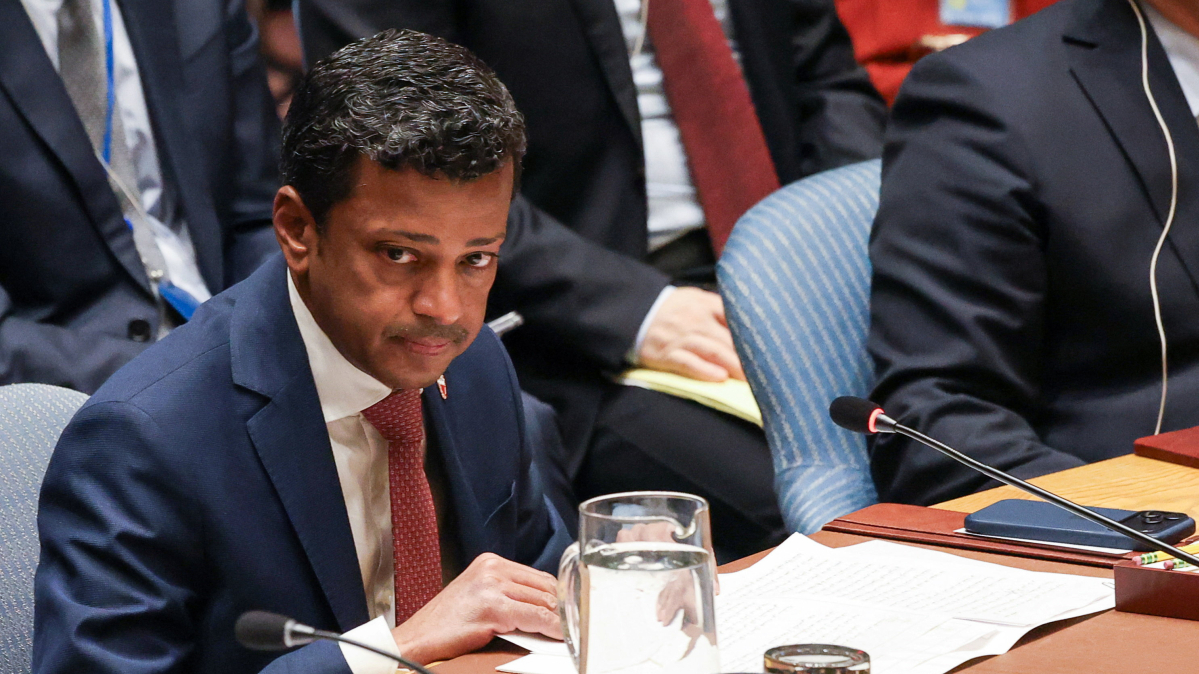
Bahrain’s UN ambassador, Jamal Fares Alrowaiei, acknowledged the challenges, telling reporters the proposal still required “a lot of work.”
Energy crisis and military tensions
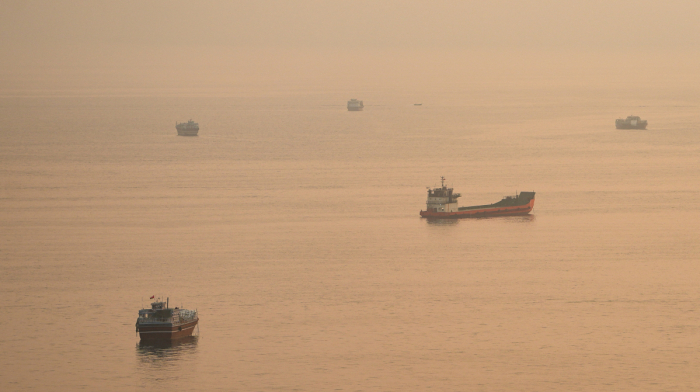
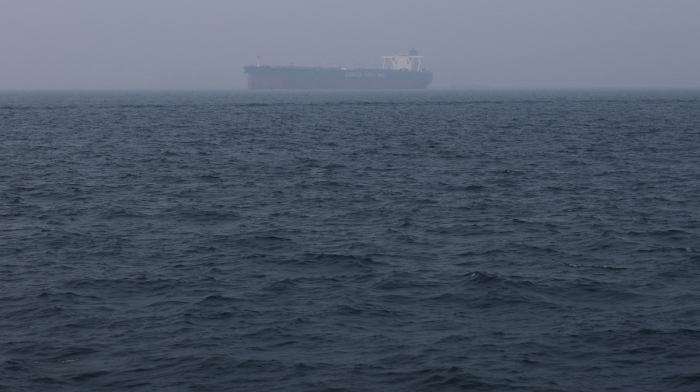
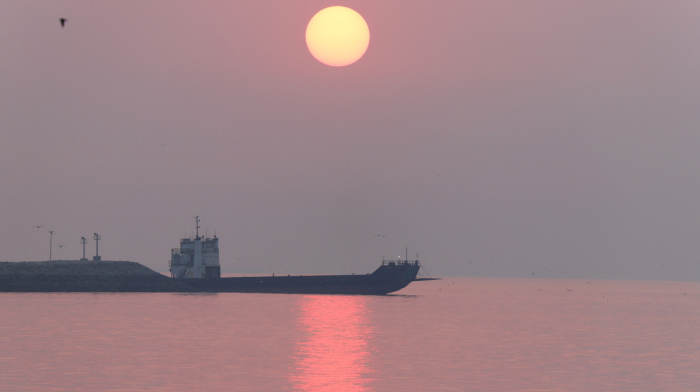
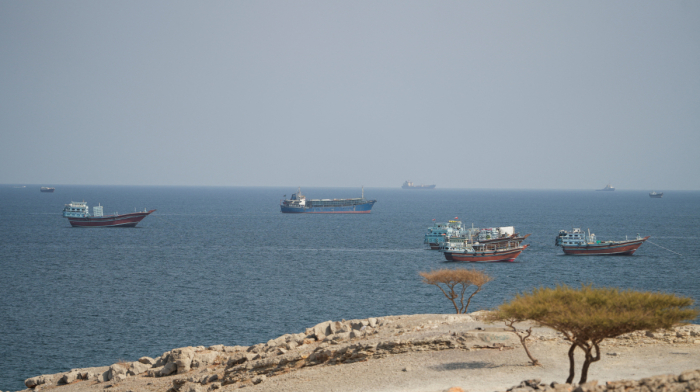
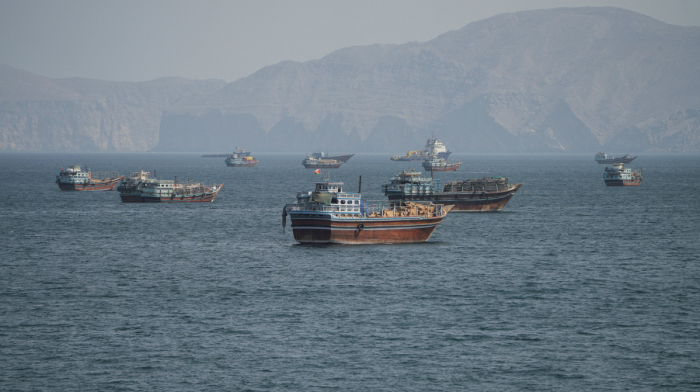
Behind the diplomatic wrangling lies a worsening global energy crisis. The Strait of Hormuz, through which roughly one-fifth of the world’s oil and gas typically passes, has been largely shut for a month.
Tanker traffic has all but ceased following Iranian attacks on vessels, carried out in retaliation for U.S. and Israeli strikes that began the conflict on 28 February.
Despite the urgency, major Gulf and Western powers remain without a clear plan to reopen the route. “There are ongoing communications and discussions… to find a draft that can garner consensus,” Alrowaiei said, signalling negotiations are continuing but remain far from resolution.
The original Bahraini draft, backed by Washington and several Gulf states, invoked Chapter VII of the UN Charter - a powerful provision allowing measures ranging from sanctions to military force.
Diplomats said such language would almost certainly have triggered vetoes from Russia and China, both of which maintain close ties with Iran.
The revised text dropped the Chapter VII reference but retained robust wording that could still be interpreted as authorising force to ensure safe passage through the strait and nearby waters. This has continued to alarm some Council members, who fear it could open the door to UN-backed military action.
France pushes alternative diplomatic track
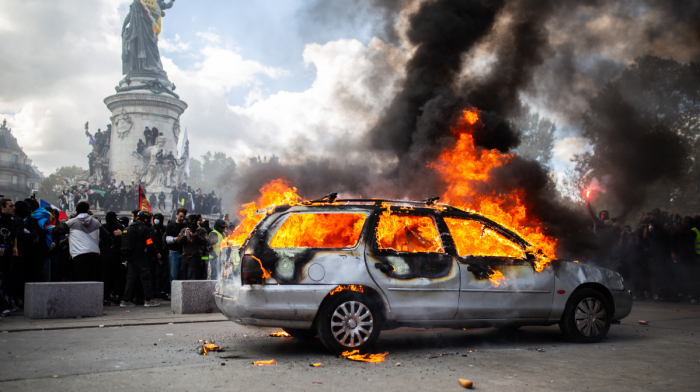
France has taken a different approach, circulating an alternative draft that avoids naming Iran and instead calls for de-escalation and a return to diplomacy. French officials have also pushed back against suggestions that NATO should play a leading role in reopening the strait, emphasising that the alliance is designed for Euro-Atlantic defence rather than offensive operations in the Gulf.
Speaking in Paris, French naval chief Admiral Nicolas Vaujour said efforts were under way to bring multiple countries together to agree on conditions for reopening the waterway in a sustainable manner. He added that China, as the largest importer of oil passing through the strait, would eventually need to take a more active role.
U.S. stance shifts amid alliance tensions
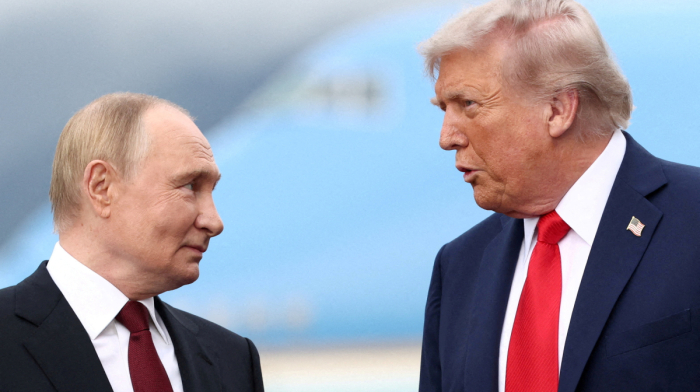
Meanwhile, the United States has sent mixed signals. Early in the crisis, President Donald Trump pledged naval escorts for commercial vessels and urged allies to contribute. More recently, he has suggested the U.S. may step back, calling on others - particularly European NATO partners - to take responsibility. He has also escalated criticism of the alliance, even threatening withdrawal.
On the ground, the situation remains tense. Iran has said it allows safe passage for vessels from countries it does not consider hostile, but ongoing attacks have deterred most shipping companies. The disruption has driven fuel prices sharply higher and raised concerns about wider economic fallout.
With disagreements entrenched among the Security Council’s permanent members - the United States, Russia, China, Britain and France - diplomats say it is unlikely any resolution will be put to a vote this week.










What is your opinion on this topic?
Leave the first comment