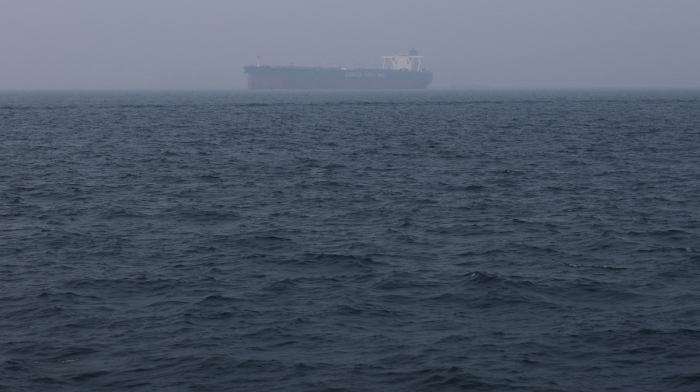
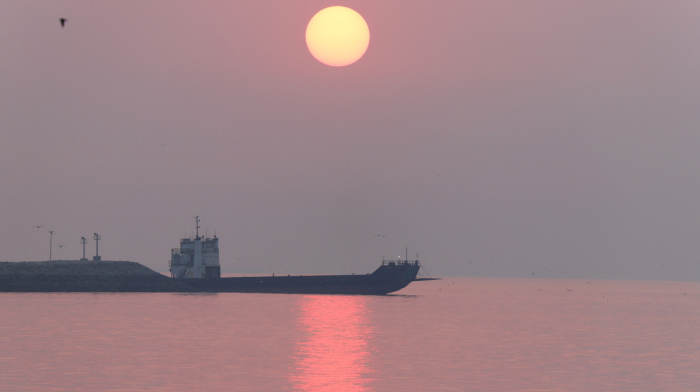
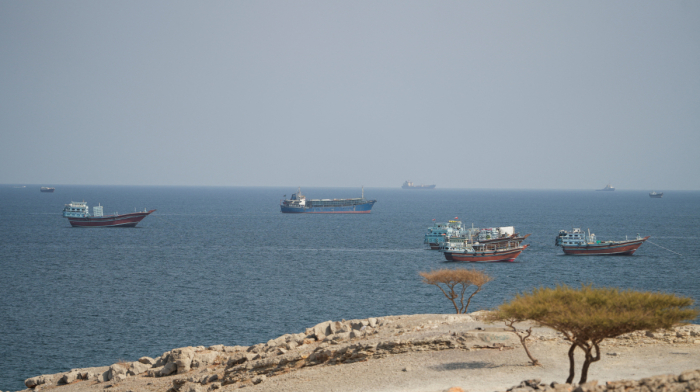
G7 foreign ministers have condemned attacks on civilians in the Iran war and demanded the free and safe passage of ships through the Strait of Hormuz.
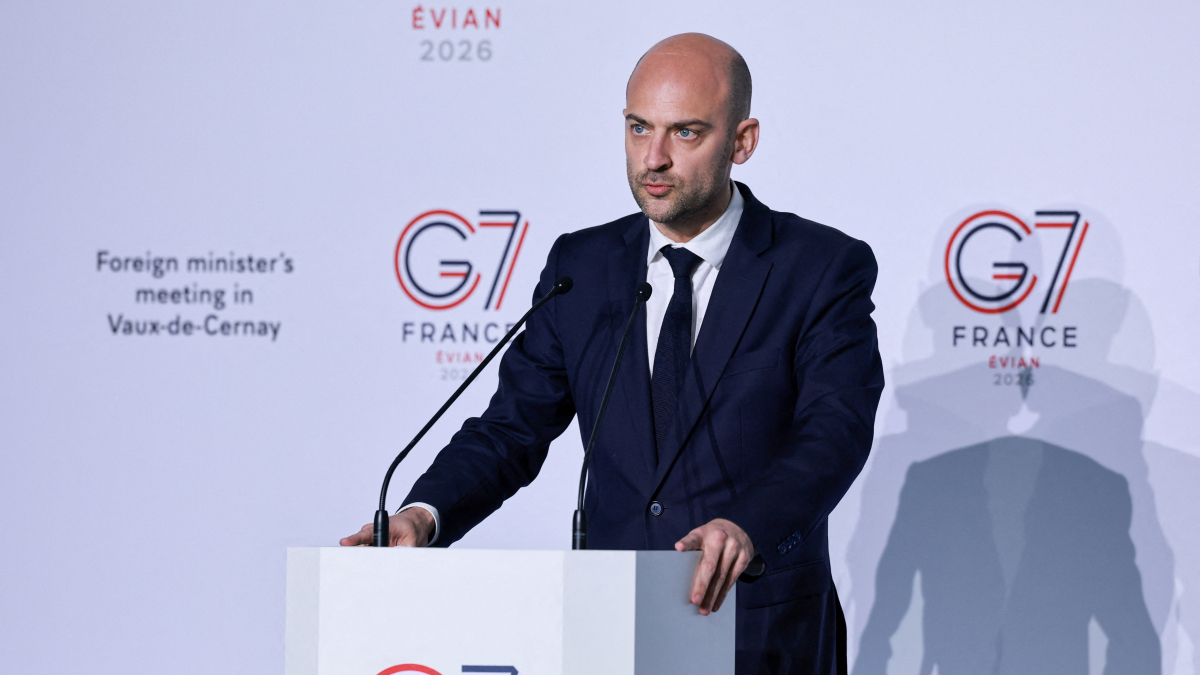
Speaking after the second day of the G7 summit in France on Friday (26 March), French Foreign Minister Jean-Noël Barrot said all countries in the group agreed that targeting civilian infrastructure and diplomatic institutions was unacceptable.
“We have issued a statement saying that civilians must be clearly protected. We cannot support civilians or diplomatic institutions being used as targets,” he told a press conference at Vaux-de-Cernay Abbey near Paris.
Barrot also criticised the Russian government, saying Moscow “doesn’t defend international law” in Ukraine and Iran. He added that G7 countries remained united in their support for Ukraine through the provision of financial aid and military equipment.
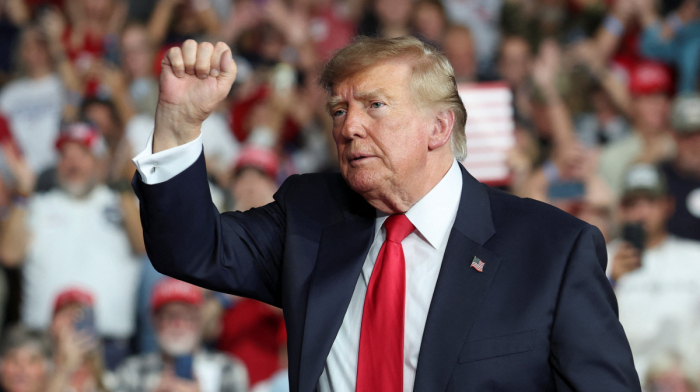
Earlier, U.S. Secretary of State Marco Rubio, who attended the summit, said he had “reiterated” President Trump’s commitment to “reaching a ceasefire” in the Russia–Ukraine war “as soon as possible”, in a post on X.
Separately, Germany’s Foreign Minister Johann Wadephul told reporters on Friday that there was no difference of opinion with the United States over Iran.
“There is absolutely no disagreement. There was and is no request from the United States, especially to us, to make a military contribution before the end of hostilities,” he said.
In a joint statement, G7 leaders said they were focused on supporting initiatives aimed at reducing the economic impact of global crises on people in their countries.
“We focused on the value of diverse partnerships, coordination and supporting initiatives, including efforts to mitigate global economic shocks such as disruptions to economic, energy, fertiliser and commercial supply chains, which have direct impacts on our citizens,” they said.
The G7 members are the United States, Britain, Canada, France, Germany, Italy and Japan, along with the European Union.












What is your opinion on this topic?
Leave the first comment