France has rejected claims that South Africa was dropped from the guest list for this year’s G7 summit under pressure from United States, insisting the decision to invite Kenya was its own.
Officials in Paris said the choice reflected diplomatic priorities ahead of a planned visit by President Emmanuel Macron to Kenya later this year, rather than any external influence. France, which is hosting the summit in Evian-les-Bains, near the Swiss border, 15-17 June, has also invited India, South Korea and Brazil.
South Africa, a frequent guest at previous G7 gatherings, said it had been informed of the decision around two weeks ago. Vincent Magwenya, the spokesperson for President Cyril Ramaphosa, said, “We’ve accepted the French decision and appreciate the pressure they’ve been subjected to.”
Despite those remarks, French officials were firm in their denial that Washington played any role.
A White House representative said, “The French, in their capacity as 2026 G7 host, expressed a desire to invite an African nation to the summit. After discussion among G7 members, it was collectively determined that Kenya should be invited. The United States welcomes Kenya’s participation.”
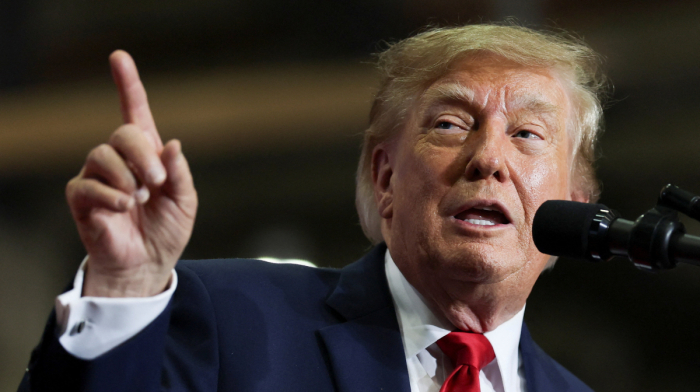
However, relations between Washington and Pretoria have been strained, with President Donald Trump openly critical of South Africa’s domestic and foreign policies and having distanced himself from recent G20 engagements involving the country.
The episode highlights the delicate balancing act facing France as it prepares to host the summit. What was intended to focus on long-term economic stability, such as preventing a global financial crisis and addressing trade imbalances, risks being overshadowed by more immediate geopolitical tensions.
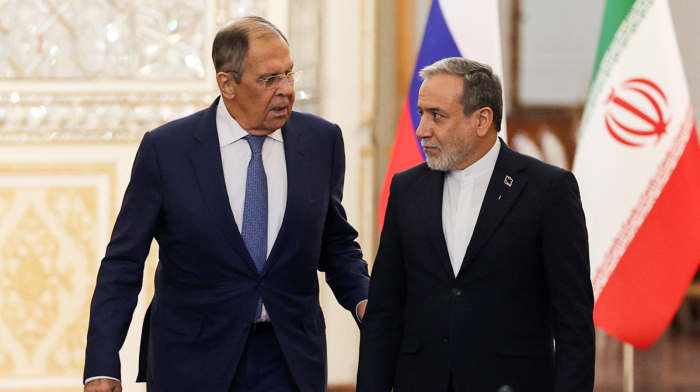
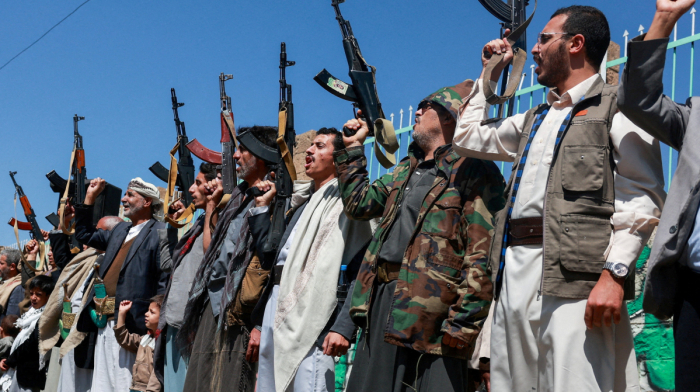
Foremost among these is the escalating conflict involving Iran, which has sent shockwaves through global energy markets and raised concerns about an economic fallout. French officials privately acknowledge that by the time leaders gather in June, the crisis could dominate discussions.
There are also broader questions about the cohesion of the G7 itself. Disagreements within the transatlantic alliance, uncertainty over whether Trump will attend, and criticism from countries such as China - which has dismissed the group as an exclusive “club of rich countries” - all add to a sense of flux.
For now, France is pressing ahead with its plans, presenting the guest list as a reflection of democratic partners committed to international cooperation. But with global tensions rising, the summit may end up shaped less by careful planning and more by events beyond anyone’s control.










What is your opinion on this topic?
Leave the first comment