Britain and Poland are set to sign a new defence and security treaty on Wednesday (27 May), deepening cooperation between the two NATO allies as European governments respond to what they describe as a growing range of hostile threats across the continent.
The agreement will be signed in London during talks between British Prime Minister Keir Starmer and Polish Prime Minister Donald Tusk. British officials said the treaty would strengthen collaboration on defence, cybersecurity, border security and efforts to combat organised crime.
The deal comes at a time when European governments are under increasing pressure to reinforce their own security capabilities, amid Russia’s war in Ukraine and calls from U.S. President Donald Trump for European allies to take greater responsibility for defence spending and regional security.
Hybrid attacks and Russian threat dominate talks
British officials said the two leaders were expected to discuss what London described as a sharp rise in hybrid threats, including cyberattacks, espionage operations and acts of sabotage linked to Russia.
The government pointed to a series of arson attacks in East London and elsewhere in Europe that British authorities believe were ordered by Russian operatives.
Although Britain and Poland have long maintained close military ties, both governments framed the agreement as a substantial expansion of an already strong partnership.
“The challenges Europe now faces demands an even stronger partnership,” Starmer said ahead of the meeting.
He described the accord as “the biggest step forward in our defence and security relationship with Poland in a generation”, adding that it would help both countries respond to “modern security threats that may be less visible but no less dangerous”.
Poland seeks closer European defence alliances
For Warsaw, the treaty forms part of a broader effort to strengthen alliances with major European partners. Poland signed a defence agreement with France in 2025 and is also working towards a similar arrangement with Germany.
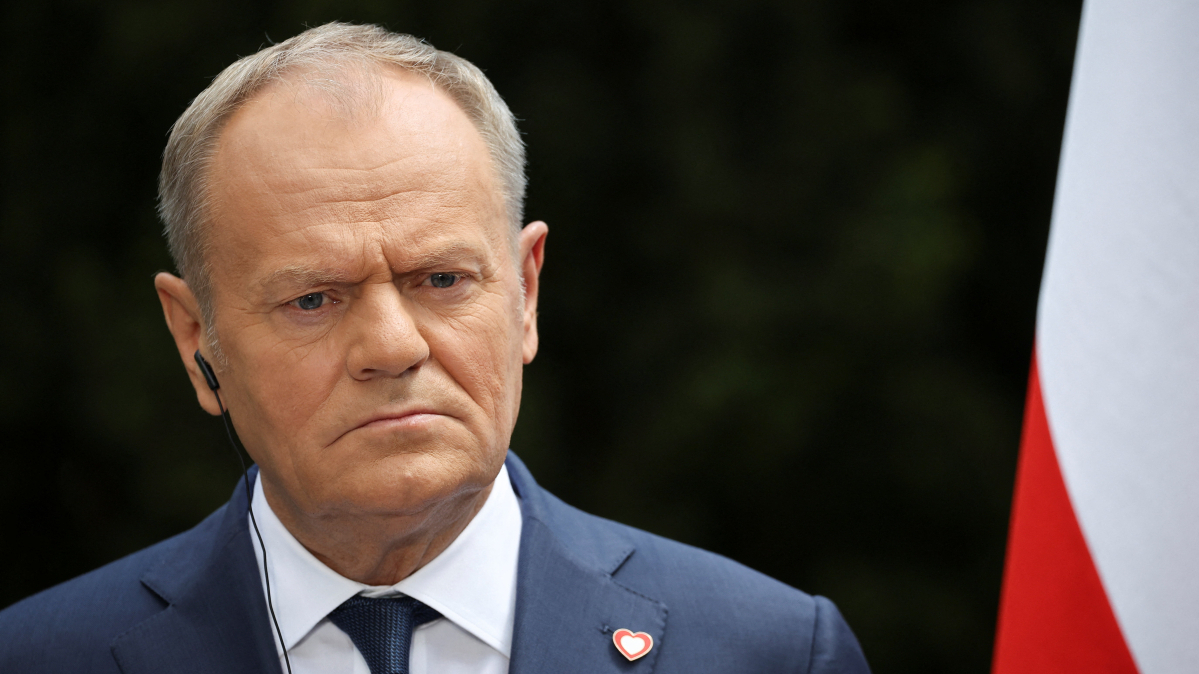
Speaking before travelling to London, Tusk called the agreement a “historic moment” and said Poland was seeking “the closest possible diplomatic relations with the United Kingdom”, particularly in relation to defence cooperation against Russia.
“Both sides emphasise that Russia is a strategic threat, also a long-term one, for Poland, for Great Britain, for NATO, and therefore our cooperation should be focused on securing Poland and other countries against the Russian threat,” Tusk told reporters.
Cybersecurity and missile production central to treaty
Polish officials have repeatedly warned that the country has become a prime target for Russian espionage, cyberattacks and disinformation campaigns because of its central role in coordinating military and humanitarian assistance for Ukraine.
Alongside cybersecurity cooperation, the treaty is also expected to expand joint defence manufacturing. The British government said the two countries would combine industrial expertise to develop advanced weapons systems, including sophisticated munitions and a jointly produced medium-range air defence missile.
The agreement reflects a wider shift across Europe, where governments are increasingly investing in defence partnerships and military production as concerns over regional security intensify.

















What is your opinion on this topic?
Leave the first comment