Dubai’s Burj Al Arab to close for first-ever 18-month refurbishment amid tourism slowdown
Dubai’s most iconic hotel, the Burj Al Arab, is set to close for the first time since opening in 1999 as it begins an extensive 18-month refu...
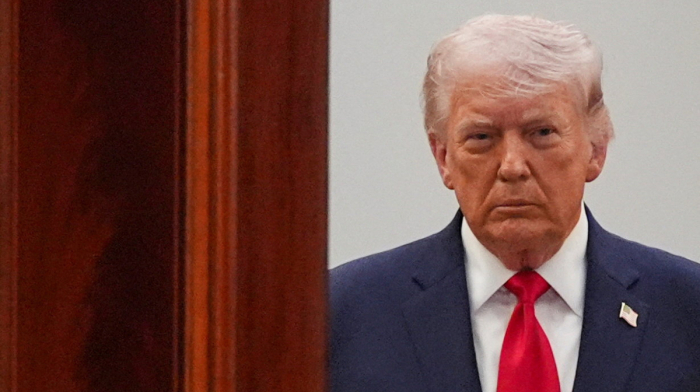
Iran has strongly condemned U.S. President Donald Trump’s threat to bomb the country “back to the Stone Age”, calling his remarks an example of “war crimes and genocide.”
“The U.S. president's repeated threats to attack Iran's energy infrastructure, including the ones in his speech on Wednesday, 1 April, are not only a clear sign of the US ruling elite's hostility towards every single Iranian, but also clear evidence of the criminal intent of U.S. decision-makers to commit the most heinous international crimes, especially war crimes and genocide,” the Iranian Foreign Ministry said in a statement.
The ministry added that such rhetoric, including threats to destroy Iran’s energy, service and industrial infrastructure, “in itself constitutes incitement to war crimes and genocide.
“All governments are obliged under international law and international humanitarian law to condemn such threatening rhetoric,” the statement added.
The ministry further stated that Trump’s threat to target power plants - vital to a nation’s survival - amounts to an “illegitimate threat” intended to instil fear among civilians.
It said the remarks, “according to Article 51 of Additional Protocol No. 1 of 1977 and Article 8 of the Statute of the International Criminal Court, constitute a war crime.”
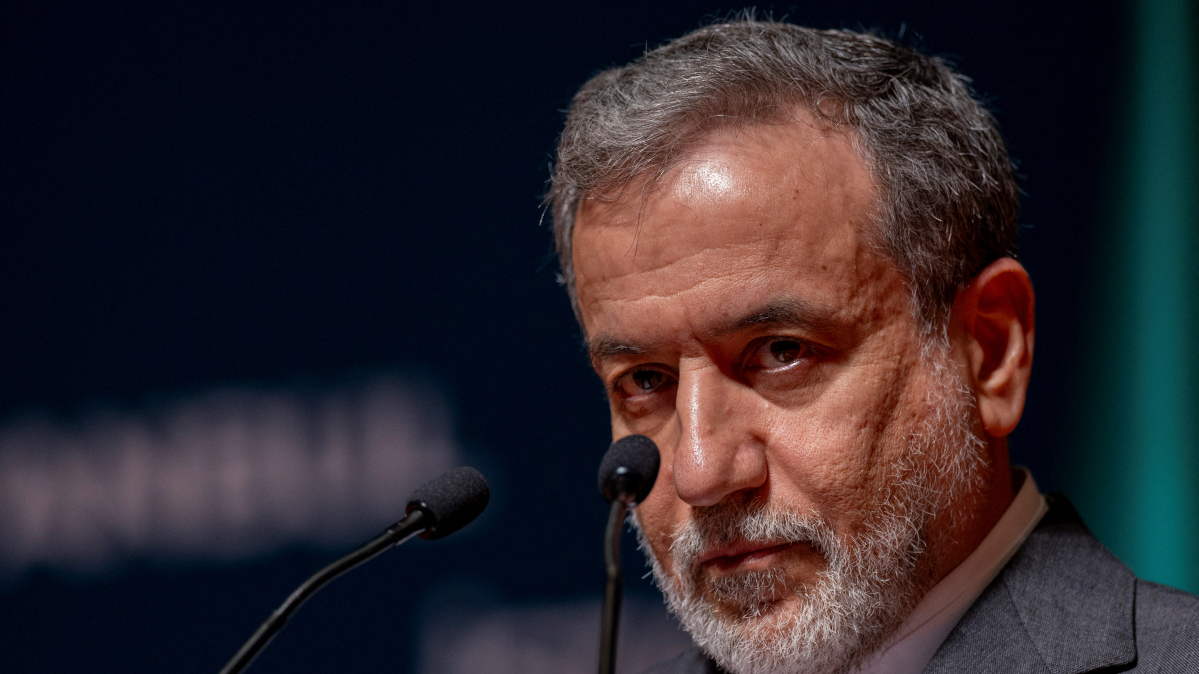
In a related development, Iran’s Foreign Minister Abbas Araqchi criticised the remarks in a post on X, highlighting what he described as a stark difference between the modern Middle East and the Stone Age.
There's one striking difference between the present and the Stone Age: there was no oil or gas being pumped in the Middle East back then.
Are POTUS and Americans who put him in office sure that they want to turn back the clock? — Seyed Abbas Araghchi (@araghchi) April 2, 2026
“No oil and gas back then,” he wrote, suggesting the comments overlook the region’s strategic importance.
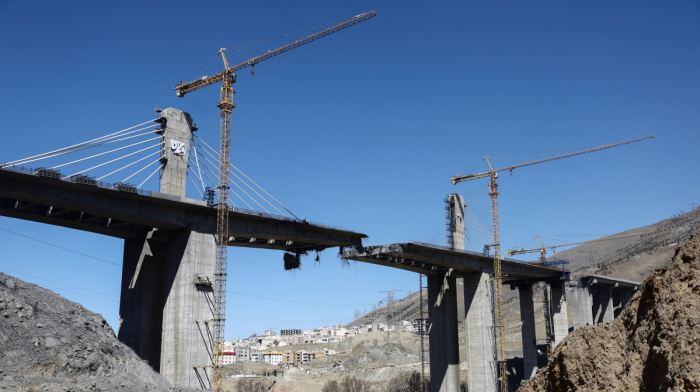
As the Israeli-U.S. war involving Iran entered its 35th day, following the first acknowledged U.S. air strike on an under-construction bridge in Alborz province near Tehran on Thursday, Foreign Ministry spokesman Esmaeil Baghaei condemned reported air raids on the Pasteur Institute of Iran.
He described the attack as “beyond a war crime” and an assault on the fundamental principles of humanity and civilisation.
“The U.S.-Israeli air raids on the Pasteur Institute of Iran - one of the oldest and most renowned research and public health centres in Iran and the Middle East - were a heartbreaking, brutal and deeply inhumane act,” he said, according to WANA news agency.
The Pasteur Institute of Iran was established in 1920 under an agreement between the Iranian government and the Pasteur Institute of Paris.
Multiple attacks on health have been reported in the Iranian capital, Tehran, in recent days amid the escalating conflict in the Middle East.
The Pasteur Institute in Iran sustained significant damage and was rendered unable to continue delivering health services.
The Institute… pic.twitter.com/RHILHhy5Yv — Tedros Adhanom Ghebreyesus (@DrTedros) April 2, 2026
A preliminary round of Lebanon-Israel talks has concluded in Washington, marking a tentative diplomatic step as regional tensions rise. The development comes as the United States launches a naval blockade of Iranian ports.
Greenland’s prime minister has appointed his predecessor to oversee foreign affairs, as pressure from Washington intensifies over the Arctic island’s future.
Spain’s plan to grant legal status to hundreds of thousands of undocumented migrants is facing early resistance, with immigration officers warning they may strike over a lack of preparation and resources.
The U.S. and Iran could resume peace talks over the next couple of days, U.S. President Donald Trump has said. Talks between Israel and Lebanon were held in Washington yesterday. Fuel prices have dropped below $100 a barrel. U.S. blockade on Iranian ports completes first day.
An Indian healthcare provider plans to invest $50 million in diagnostic and pharmaceutical projects in Uzbekistan’s Namangan region, aiming to expand access to advanced medical services between 2026 and 2028.
The two-week ceasefire between Iran, the U.S. and Israel entered its second and last week with Tehran stepping up diplomacy at home and abroad ahead of the pending renewed talks with Washington expected later this week.
The United States said on Wednesday its military had completely halted trade going in and out of Iran by sea, even though President Donald Trump said talks with Tehran on ending the war could resume this week.
The U.S.-sanctioned tanker Rich Starry made its way back to the Strait of Hormuz on Wednesday after exiting the Gulf the day before, shipping data showed, failing to break through a U.S. blockade on vessels calling at Iranian ports.
Canada, the UK, Australia, Japan and six other countries condemned the killings of United Nations peacekeepers in Lebanon on Tuesday while calling "for an urgent end to hostilities" in the country where Israeli attacks have killed more than 2,000 people since March.
The U.S. and Iran could resume peace talks over the next couple of days, U.S. President Donald Trump has said. Talks between Israel and Lebanon were held in Washington yesterday. Fuel prices have dropped below $100 a barrel. U.S. blockade on Iranian ports completes first day.
You can download the AnewZ application from Play Store and the App Store.
What is your opinion on this topic?
Leave the first comment