Iran’s chief justice has warned protesters there will be “no leniency for those who help the enemy against the Islamic Republic”, as rights groups reported a rising death toll during what observers describe as the country’s biggest wave of unrest in three years.
Kurdish-Iranian rights group Hengaw said at least 27 people have been killed and more than 1,500 arrested in the first 10 days of protests, while the Human Rights Activists News Agency (HRANA) put the death toll at at least 36 and said more than 2,000 people had been detained.
Iranian authorities have not issued an official death toll for protesters but have said at least two members of the security forces were killed and more than a dozen injured.
Reuters said it was unable to independently verify the figures.
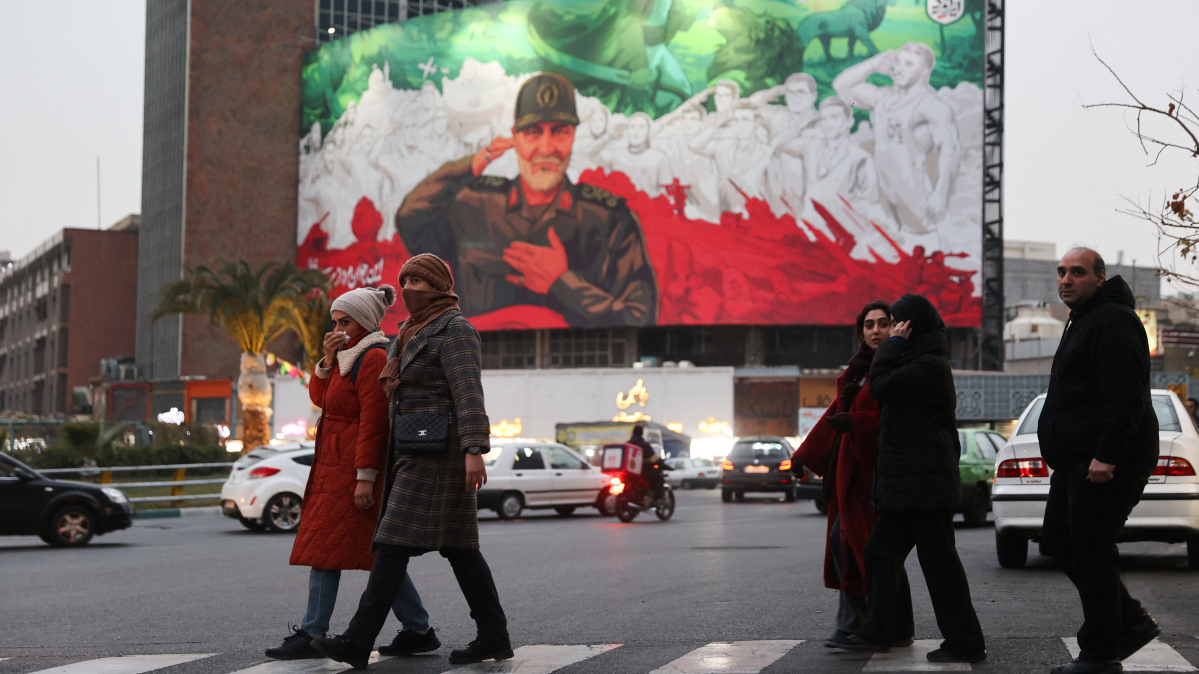
Protests continued into another day across Iran, with crowds returning to the streets despite mounting pressure from the authorities. By scale and geographic spread, the unrest has entered its most significant phase so far.
Demonstrations have been reported across multiple cities and provinces, including Tehran and several regional centres, indicating a widening geographic reach. Unlike previous days, protests were visible during daylight hours as well, suggesting a shift in momentum.
Crowds have grown larger and more tightly packed, with demonstrations moving beyond residential areas into economic and public spaces. Participants were heard chanting anti-government slogans, including calls directed at Iran’s leadership and demands for political change.
Security forces were reported to have used tear gas to disperse demonstrators, while some reports also cited the use of rubber bullets and live ammunition. The deployment of additional security units has also been reported, though these claims have not been independently verified.
Iran’s chief justice, Gholamhossein Mohseni Ejei, accused Israel and the U.S. of using what he described as hybrid methods to destabilise the country, warning that anyone “helping the enemy” would face a crackdown.
Tehran is under heightened international pressure, with U.S. President Donald Trump warning that Washington would come to the aid of protesters if security forces fired on them, seven months after Israeli and U.S. forces bombed Iranian nuclear sites during a 12-day conflict.
Iran’s Supreme Leader, Ayatollah Ali Khamenei, has vowed not to “yield to the enemy”.
The current protests began last month in Tehran’s Grand Bazaar, where shopkeepers protested against the sharp fall in the national currency. The unrest has since spread nationwide amid deepening economic hardship, including soaring inflation driven by mismanagement and Western sanctions, as well as restrictions on political and social freedoms.
According to Iran International, Iranian-backed Iraqi militias have begun recruiting and deploying fighters to assist Iranian security forces in suppressing the protests. The outlet said several hundred fighters linked to Iraqi Shiite armed groups had been mobilised. Iranian authorities have not commented on the report.
Human rights organisations have raised concerns over rising numbers of casualties and detentions, as well as allegations that wounded protesters have been detained in medical facilities.
Iran’s western provinces, which are economically marginalised and heavily policed due to their strategic importance, have seen the most violent protests in recent days, according to rights monitors.










What is your opinion on this topic?
Leave the first comment