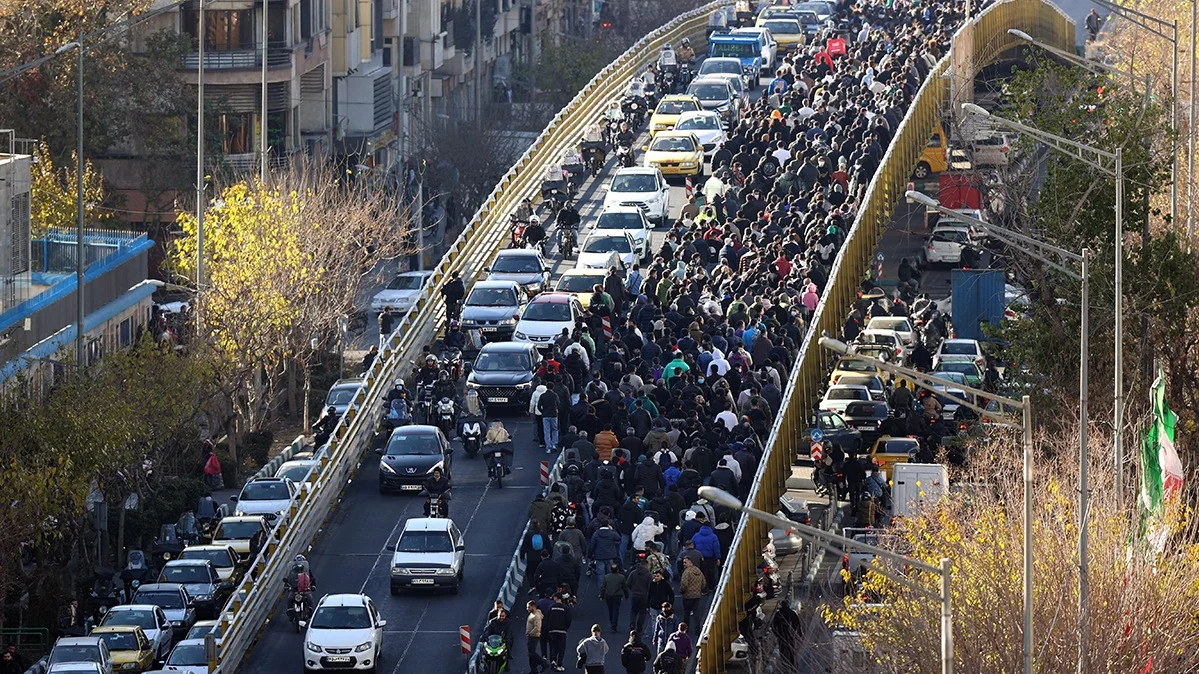
In late December 2025, protests erupted across Iran after the rial collapsed and inflation soared. Unrest spread from Tehran’s Grand Bazaar as citizens expressed frustration over rising prices, economic hardship, and long‑standing grievances with government policies.
Demonstrations began on 28 December 2025 when shopkeepers and bazaar merchants in Tehran’s Grand Bazaar staged strikes and closures to protest rising prices and economic stagnation, marking the start of the most significant unrest since 2022.
By 29 December 2025, the protests had spread beyond Tehran to major urban centres including Isfahan, Shiraz, Mashhad, and Hamadan, with shop closures and marches signalling growing public frustration over economic conditions.
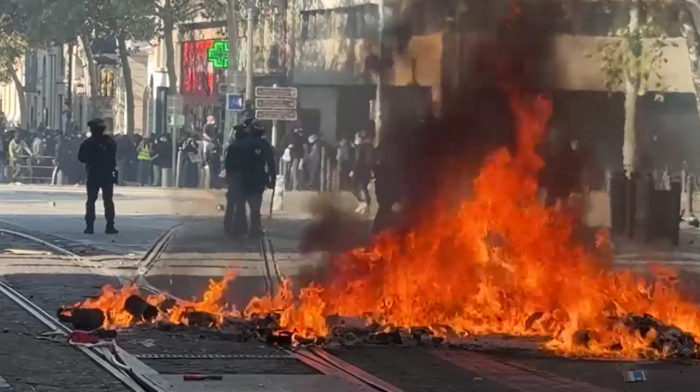
On 1 January 2026, clashes between protesters and security forces turned violent in cities such as Lordegan in Chaharmahal and Bakhtiari province. At least two people were confirmed killed as crowds demanded economic relief and accountability, according to Fars News Agency.
The unrest continued into the new year.
By 2 January 2026, funerals for protesters who had been killed earlier in the week sparked clashes in provinces including Fars, and demonstrators organised wider marches in Tehran’s districts.
As the protests entered their eighth consecutive day on 4 January, demonstrators were reported in over 220 locations across at least 78 cities and 26 provinces, with scores of arrests and fatalities mounting amid continued government crackdowns.
By 6 January, at least 35 people had been killed, including protesters, civilians, and security personnel, as reported by the U.S.-based Human Rights Activists News Agency.
More than 1,200 people were detained since the late‑December uprising began, as the unrest had reached over 250 locations in 27 of Iran’s 31 provinces, AP reported.
Officials have responded with a mix of rhetoric and repression. On 5 January, Iran’s judiciary chief publicly vowed “no leniency” toward what authorities labelled “rioters,” even as protests continued.
Economic collapse at the root
The protests were ignited by a dramatic plunge in the value of Iran’s currency.
By 29 December 2025, the rial had fallen to record lows near 1.45 million to the U.S. dollar, driving up the cost of essential goods and pushing already severe inflation above 40–50%.
These pressures deepened long‑standing public frustration over living standards that had been escalating for years.
Attempts by authorities to stabilise the economy, including leadership changes at the central bank and proposed reforms, have struggled to reverse the downturn. Many Iranians see structural economic mismanagement, sanctions, and declining purchasing power as key drivers of discontent.
U.S. pressure
Iran’s economic crisis did not emerge in isolation.
For years, external pressures, primarily from the United States and, to a lesser but still significant extent, Israel, have compounded internal weaknesses and helped create the conditions for the current unrest.
Since 2018, when the United States withdrew from the 2015 nuclear agreement (the Joint Comprehensive Plan of Action) and reimposed a broad suite of sanctions, Tehran’s economy has been under sustained pressure.
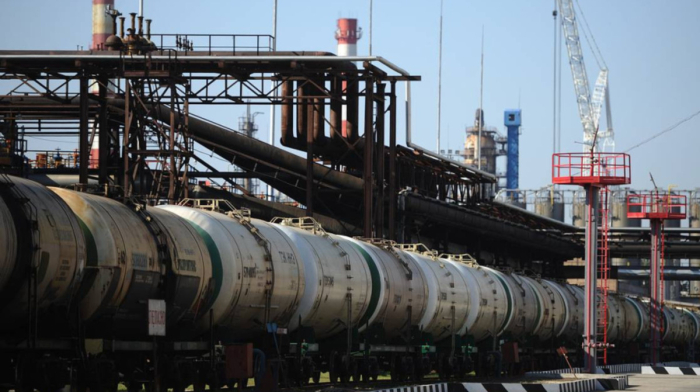
These measures have targeted Iran’s oil exports, banking system, and access to international financial markets, sharply reducing government revenue and foreign exchange inflows. The result has been a prolonged contraction in economic activity, rampant inflation, and accelerated currency depreciation.
Global media describe how renewed sanctions have disrupted trade, constrained oil exports (Iran’s main revenue source), and pushed the economy toward recessionary dynamics.
Sanctions not only limit Tehran’s ability to sell oil abroad but also restrict investment and financial transactions, isolating the economy and undermining confidence.
The World Bank forecast that Iran’s economy could shrink by 1.7 % in 2025 and 2.8 % in 2026, reflecting the combined impact of sanctions and structural weaknesses.
The effect of sanctions has been visible in everyday economic stress.
Iran’s currency, the rial, has lost a significant portion of its value, making imports more expensive and pushing inflation to historically high levels.
While U.S. sanctions exert a chronic drag on Iran’s economy, military conflict with Israel in June 2025 delivered a sharp shock.
Conflict with Israel
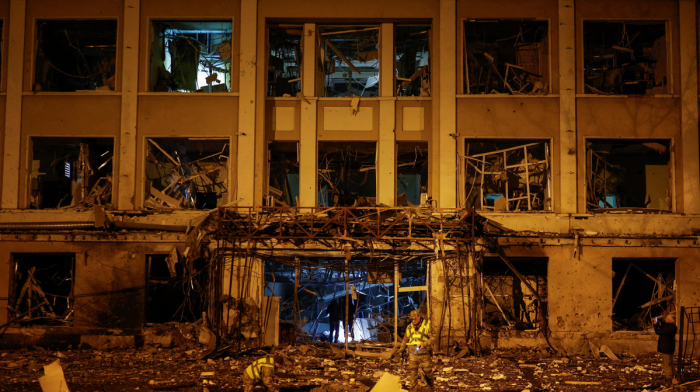
According to detailed economic analyses, during the 12‑day war with Iran, Israeli airstrikes hit key energy and industrial infrastructure, causing significant disruptions to oil exports and industrial output.
Oil export capacity plummeted, costing Tehran hundreds of millions in lost revenue in a matter of days and exacerbating already fragile state finances. The cost of missiles, drones, and military mobilization further strained budgets.
Even when civilian infrastructure was not directly hit, fear of further strikes disrupted normal operations in sectors like energy and industry, compounding the economic downturn.
The combined effect of sanctions and intermittent conflict has discouraged foreign investment and limited Iran’s trade partners.
While Tehran has sought to maintain oil sales with key customers like China, sanctions still narrow the market and reduce long‑term economic growth prospects.
According to economic reporting, international sanctions and export restrictions have sapped confidence and helped drive capital flight, aggravating the economic malaise.












What is your opinion on this topic?
Leave the first comment