Reports of so-called “acid clouds” moving from Iran towards Central Asia are not supported by scientific data, national hydrometeorological services in Kazakhstan, Uzbekistan and Kyrgyzstan say, adding there is no threat to the region.
In recent days, speculation about a possible environmental threat has spread widely across social media and messaging platforms, raising concern among users in Central Asia. Posts claimed that, following strikes on Iran’s oil infrastructure, large amounts of harmful substances had been released into the atmosphere, potentially forming dangerous air masses capable of travelling long distances.
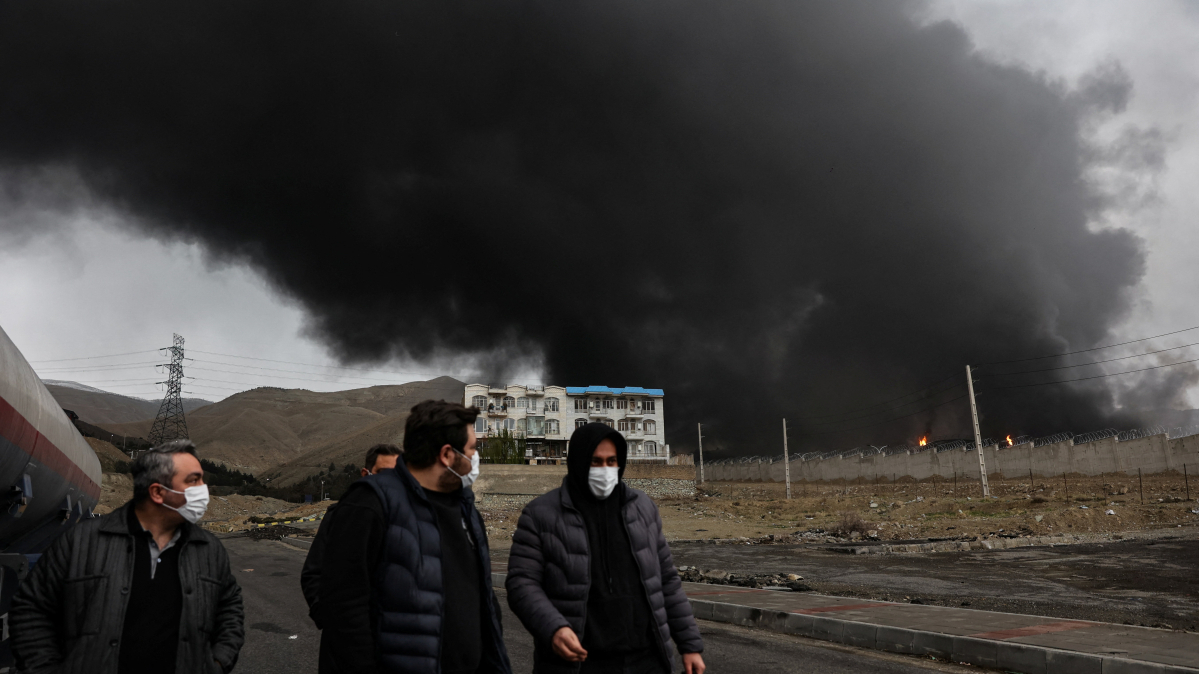
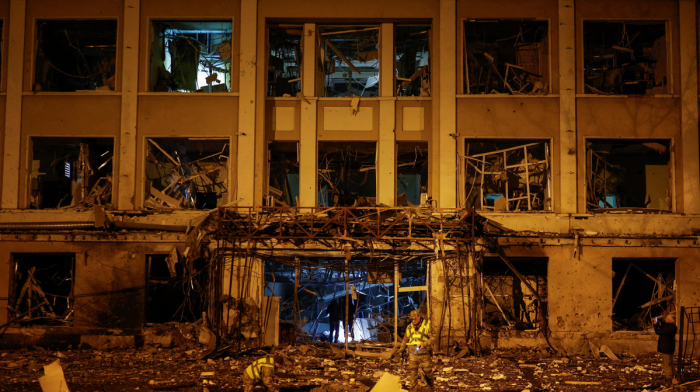
Earlier, Israeli officials said strikes had targeted around 30 oil storage tanks in Tehran. Fires reportedly broke out at several facilities, sending large plumes of smoke above the Iranian capital. Local reports also mentioned dark precipitation resembling acid rain after the attacks.
However, meteorological specialists say claims about so-called “acid clouds” moving towards Central Asia have no scientific basis.
According to Kazakhstan’s national hydrometeorological service, Kazhydromet, acid precipitation forms from sulphur and nitrogen oxides typically released by industrial activity, energy production and transport, usually close to the source of emissions.
“Acid precipitation forms close to emission sources. When air masses travel over long distances, the concentration of these substances decreases significantly due to natural atmospheric processes,” Kazhydromet told AnewZ.
Experts explain that as air masses move across large distances, pollutants disperse through atmospheric mixing and natural deposition, making the formation of hazardous acid precipitation thousands of kilometres away from the source extremely unlikely.
Monitoring data show no signs of such pollutants moving towards Kazakhstan or other countries in Central Asia.
Specialists are urging the public to rely on information from official meteorological and environmental services and to treat unverified claims circulating online with caution.



















What is your opinion on this topic?
Leave the first comment