Kazakhstan has evacuated 8,585 citizens from Middle Eastern countries as regional tensions escalate. Authorities are coordinating air and land evacuations while analysts warn the crisis could reshape security and energy risks across the Caspian region.
The repatriation operation is being carried out in co-ordination with relevant state authorities, the Ministry of Foreign Affairs of Kazakhstan said. Diplomatic missions in the region are overseeing efforts on the ground and maintaining constant contact with citizens seeking assistance.
Back to safety
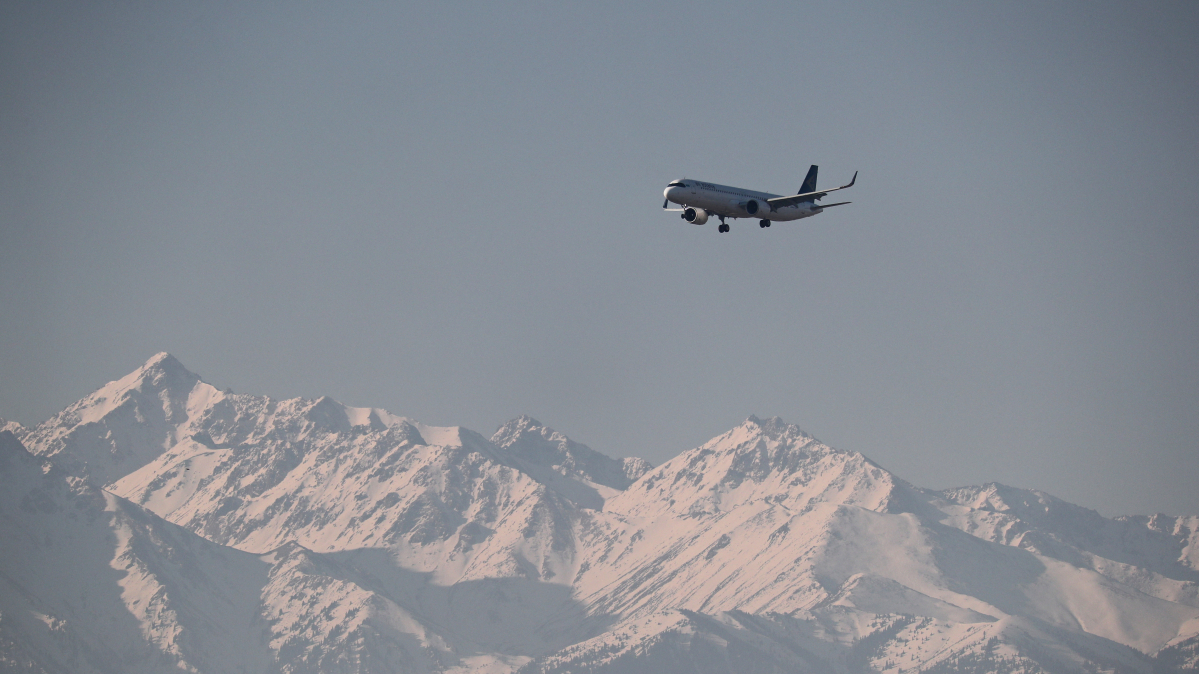
Many evacuees have returned home on chartered or commercial flights, while others have used alternative routes. Some Kazakh nationals have left the region by land through the borders of Azerbaijan, Armenia and Turkmenistan.
The operation is taking place amid continued escalation in the Middle East. On 9 March, Kazakhstan’s Foreign Minister Yerlan Kosherbayev held a telephone conversation with Israeli Foreign Minister Gideon Saar to discuss the regional situation and issues of bilateral co-operation.
Kosherbayev asked the Israeli side to assist in facilitating the evacuation of Kazakh citizens currently in Israel, emphasising that the safety of nationals abroad remains a priority for Kazakhstan. Saar said Israel would make every effort to support the process and would personally oversee the evacuation of Kazakh citizens.
Continuing regional risks
The regional escalation is also drawing attention from analysts assessing possible consequences for Central Asia and the South Caucasus.
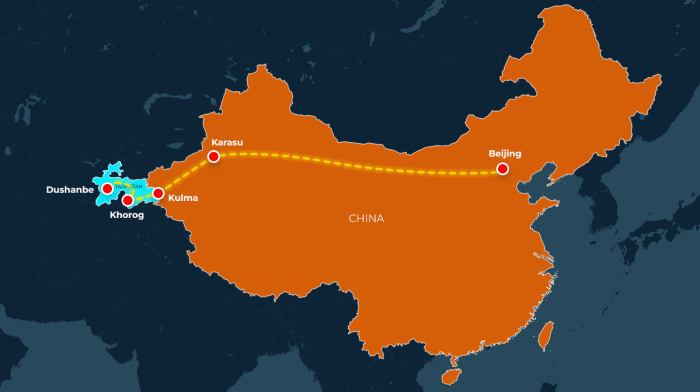
One scenario discussed by experts involves limited de-escalation. Risks would remain, but interest in the Trans-Caspian transport corridor could increase as governments and international partners seek alternative transit routes linking Central Asia with Europe.
Another scenario is a prolonged war of attrition. Analysts say such a development could increase security risks in the South Caucasus, particularly for Azerbaijan, including the possibility of sabotage targeting infrastructure. Central Asian countries could also face additional pressure on transit routes and logistics.
A third possibility involves internal destabilisation in Iran and a chaotic transition of power. Analysts say this could weaken southern connectivity for Central Asia, increase migration and border pressures, and create instability around key infrastructure across the Caspian region.
Vulnerable infrastructure
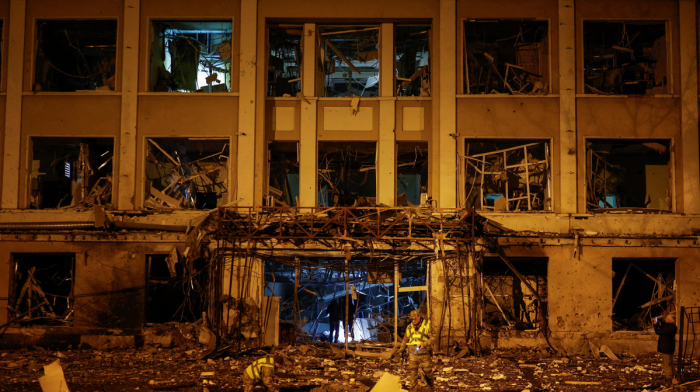
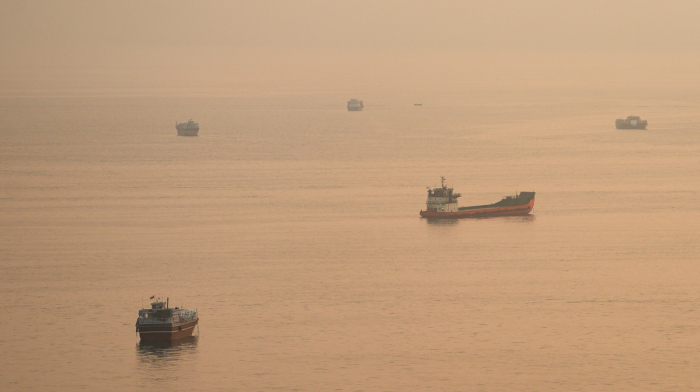
Recent developments have already raised concerns among regional observers. An attack involving Iranian drones targeting Azerbaijan has been described by analysts as a troubling signal for the broader security environment around the Caspian Sea.
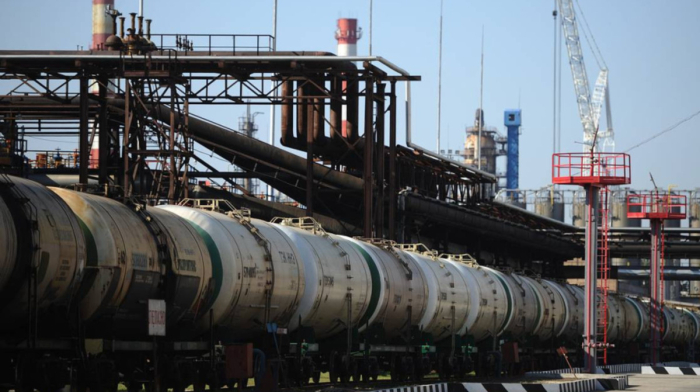
If strikes were to expand geographically, analysts note that even major Kazakh energy assets could theoretically fall within the operational range of modern unmanned aerial systems. Strategic oilfields such as Tengiz and Kashagan in the northern Caspian could potentially become vulnerable, highlighting growing security risks for energy infrastructure in the region.













What is your opinion on this topic?
Leave the first comment