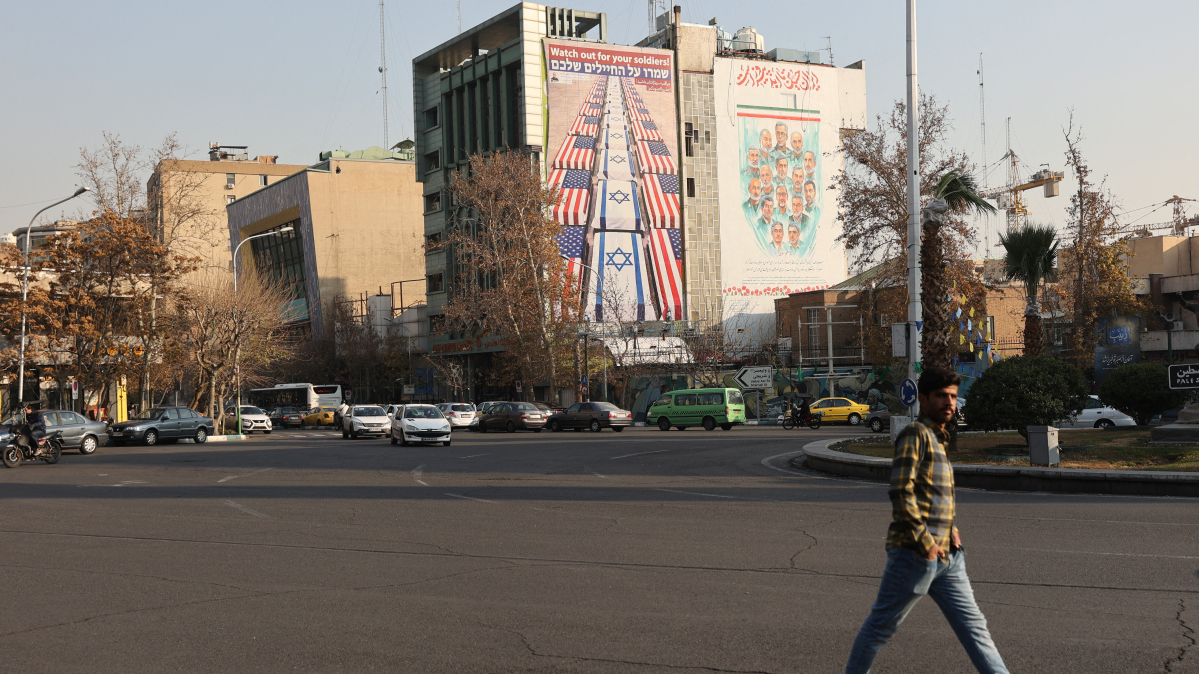
At least 25 individuals have lost their lives in Iran during the first nine days of protests, which began in Tehran's bazaar over the rapidly depreciating currency and escalating inflation, according to human rights groups.
While authorities have acknowledged the economic difficulties, they have accused foreign-linked networks of inciting the protests. Iran's police chief vowed to "deal with the last of these rioters" on Tuesday.
The shopkeepers' protest continued in the bazaar, with around 150 people focusing on economic demands, as reported by Iran's Fars news agency.
The protests have spread to some cities in the west and south of Iran, though they have not reached the scale of the unrest that engulfed the country in 2022-23 following the death of Mahsa Amini, who died in the custody of the morality police for allegedly breaching the Islamic Republic's strict dress code.
However, despite being smaller in scale, these protests have quickly expanded from economic concerns to broader frustrations, with some demonstrators chanting against the country's clerical leaders.
More than 1,000 arrested, according to rights groups
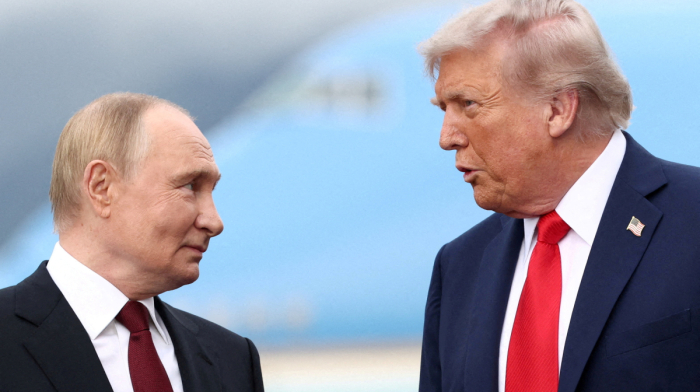
Iran remains under international scrutiny, with U.S. President Donald Trump warning on Friday that he would support the protesters if security forces opened fire on them. Iran's Supreme Leader, Ayatollah Ali Khamenei, pledged not to "yield to the enemy."
Hengaw, a Kurdish Iranian human rights group, reported the death toll at 25, including four individuals under 18, and stated that over 1,000 people had been arrested. HRANA, a network of rights activists, reported at least 29 deaths, including two law enforcement officers, and 1,203 arrests as of January 5.
Reuters has not been able to independently verify these numbers. Iranian authorities have not provided a death toll for the protesters but have confirmed that at least two members of the security forces have died, with more than a dozen injured.
Authorities have adopted a dual approach to the unrest, acknowledging that protests over the economy are legitimate and will be addressed through dialogue, while responding to some demonstrations with tear gas during violent confrontations.
The police chief, Ahmadreza Radan, was quoted by state media on Tuesday as saying that a distinction had been made between protesters and what he termed 'rioters,' with the latter facing immediate arrests or being identified by intelligence units.
"I pledge that we will deal with the last of these rioters. There is still time for those who were misled by foreign services to identify themselves and draw on the greatness of the Islamic Republic," Radan said.
Witness reports of heavy police presence
Fars reported that Tuesday's gathering of shopkeepers on Saadi street in Tehran ended without an "expansion of the police presence."
Mohammad, a 63-year-old jewellery shop owner in the bazaar, told Reuters that there was a significant presence of riot police and plainclothes security forces in and around the area.
“They were forcing shopkeepers who were on strike to open their shops. I didn’t see it myself, but I heard there were clashes outside the bazaar and the police used tear gas,” he told Reuters over the phone. He declined to give his surname.
Footage shared on Telegram on Tuesday by Vahid Online, which posts protest videos to more than 650,000 followers, appeared to show dozens of security forces on motorbikes patrolling the street, with the unidentified person who filmed the clip claiming that tear gas had been deployed by the security forces.
Reuters confirmed that the video was shot on Saadi street but could not verify the exact date of filming.
Government promises reforms to stabilise purchasing power
President Masoud Pezeshkian has promised reforms to help stabilise the monetary and banking systems and protect purchasing power.
The government has announced a subsidy reform, removing preferential exchange rates for importers and replacing them with direct transfers to Iranians to enhance their purchasing power for essential goods. This measure will take effect on January 10.
The central bank governor was also replaced on 29 December.
The rial fell further to 1,489,500 on Tuesday, marking a 4% drop since the protests began.










What is your opinion on this topic?
Leave the first comment