The AnewZ Opinion section provides a platform for independent voices to share expert perspectives on global and regional issues. The views expressed are solely those of the authors and do not represent the official position of AnewZ
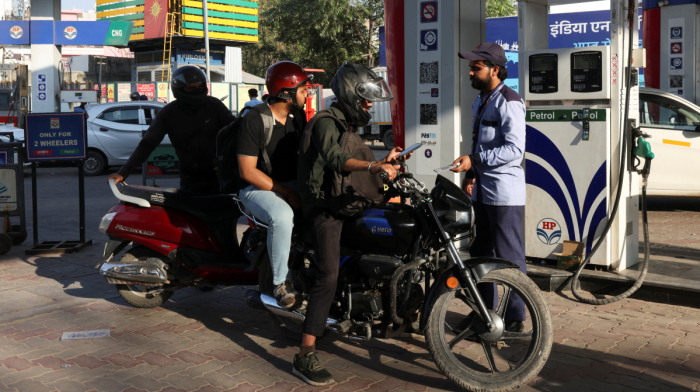
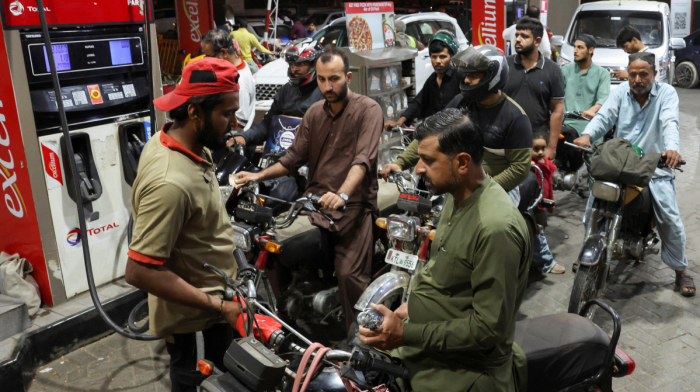
The other evening, I was fuelling my car at a petrol station in Kenya’s capital. It was one of those small moments most motorists barely notice. The attendant filled the tank, I glanced at the pump price, paid, and drove off.
Yet something lingered in my mind.
Fuel prices in the East African nation are currently at their lowest level in several months after recent reductions by the Energy and Petroleum Regulatory Authority brought some relief to motorists and households grappling with the high cost of living.
A litre of super petrol in Nairobi currently sells for about 178 Kenyan shillings, roughly $1.35, according to the latest monthly price review. But as I stood there watching the numbers roll on the pump, I could not help wondering whether this might be the last relatively “normal” month before prices start climbing again.
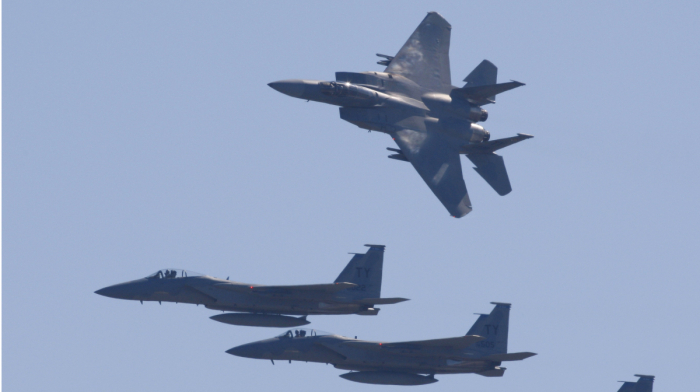
Kenya, like many countries across sub–Saharan Africa, adjusts fuel prices every month. For now, there is no panic. Supply appears stable and motorists continue with their routines. Still, officials in Nairobi are likely watching events in the Middle East with growing concern as the conflict involving Iran continues to unfold.
A distant conflict with real consequences
Far from African shores lies one of the most critical arteries in the global oil trade, the Strait of Hormuz. The narrow waterway links the Persian Gulf to international markets, and a significant share of the world’s crude oil and refined fuel shipments pass through it each day.
That makes developments in the region impossible to ignore for countries dependent on imported energy.
Periods of instability around the Gulf tend to ripple through global shipping. Security concerns can push insurance premiums higher for tankers and complicate shipping schedules. Cargo may take longer routes or face delays.
Those adjustments may appear technical, but they eventually filter through to the price of fuel in markets thousands of kilometres away, including Africa.
Africa’s vulnerability to energy shocks
Many African economies depend heavily on imported petroleum products. Refining capacity across the continent remains limited, meaning a large share of fuel travels long distances before reaching storage depots and distribution networks.
That reliance exposes African economies to shocks in global energy markets.
Even South Africa, the continent’s most industrialized economy, is preparing for higher fuel costs as global oil markets react to the unfolding conflict.
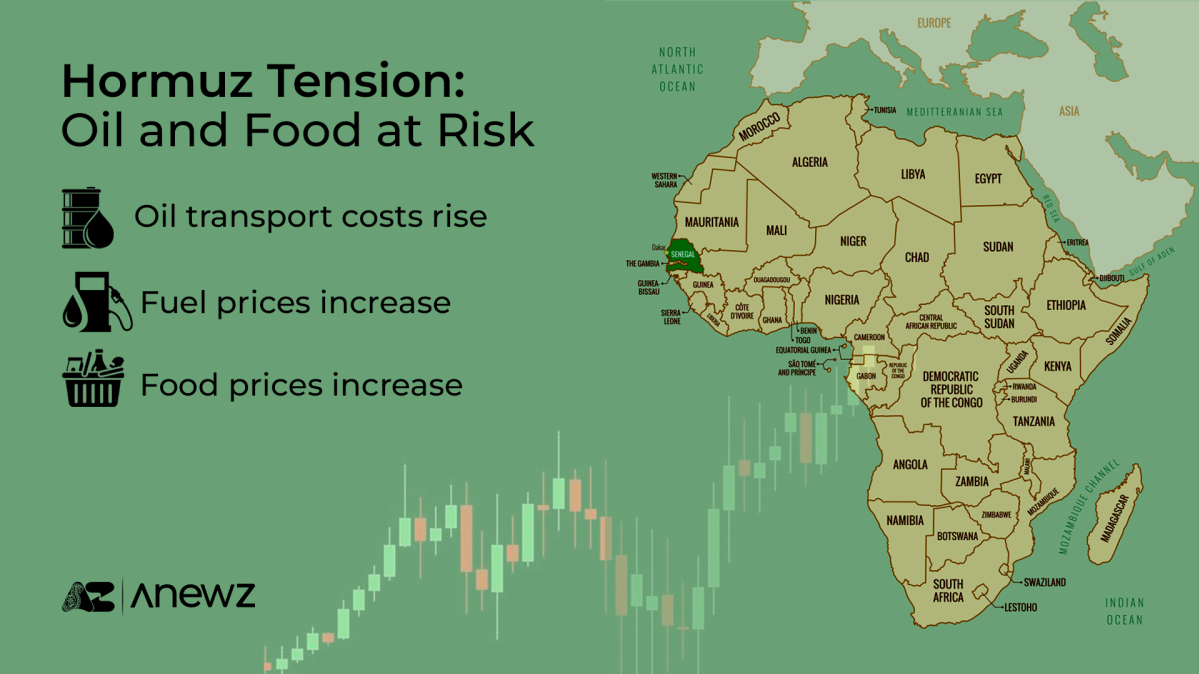
The pattern is familiar across the continent. Higher fuel prices push up transportation costs. Those costs gradually make their way into the price of food and everyday goods. Businesses face higher operating expenses while governments come under pressure to cushion households already dealing with rising living costs.
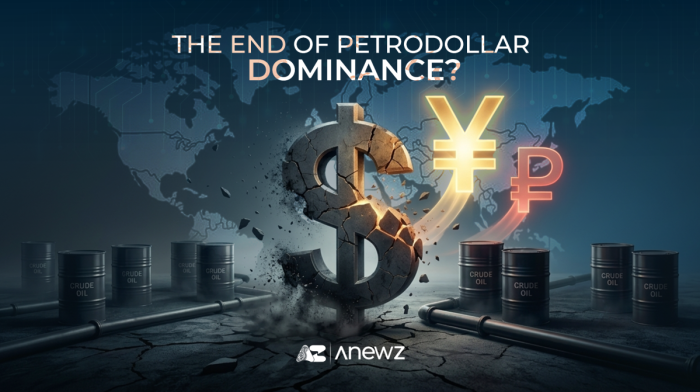
Currency volatility can deepen the problem. Oil is traded globally in U.S. dollars, meaning weaker local currencies raise the cost of imported fuel even further.
Kenya has tried to manage these pressures through a tightly regulated fuel pricing system. Each month the Energy and Petroleum Regulatory Authority reviews global prices, exchange rates and import costs before setting the retail price motorists see at the pump.
For policymakers, maintaining stable supply remains just as important as managing prices.
The fertiliser connection
Fuel is only part of the story.
Energy markets are closely tied to fertiliser production. Many fertilisers rely heavily on natural gas and other energy inputs during manufacturing.
As global energy costs rise, fertiliser prices often follow. That connection matters deeply for Africa’s agricultural sector.
Across the continent millions of smallholder farmers depend on imported fertilisers to maintain crop yields. Higher prices can force farmers to reduce usage or skip fertiliser altogether.
Lower application rates often translate into smaller harvests. In a continent where food security is already fragile, that can tighten supplies and drive up food prices for millions of households.
The impact stretches far beyond farms. Urban households feel it through rising food bills while governments face renewed pressure to manage inflation and support vulnerable communities.
A reminder about supply chain exposure
What the current crisis highlights is how exposed many African economies remain to distant geopolitical shocks.
Despite years of discussion around energy security, several countries still maintain limited strategic fuel reserves and rely on long supply chains stretching from the Gulf to African ports.
Renewable energy investments are expanding, and new refining capacity is slowly emerging in parts of the continent. But petroleum products still underpin transportation, agriculture and large segments of industry.
For now, motorists in Nairobi, Addis Ababa or Johannesburg may not see immediate disruptions.
Back at that Nairobi petrol station, nothing suggested a crisis was unfolding thousands of kilometres away. Drivers lined up at the pumps, boda bodas (motorcycle taxis widely used for short distance transport across East Africa) weaved through traffic, and the city carried on as usual.
But global energy markets rarely move in isolation. A conflict in the Persian Gulf can travel through shipping routes, insurance markets and commodity prices before quietly arriving in Africa.
Sometimes it arrives first at the fuel pump.
And soon after, on the dinner table.
















What is your opinion on this topic?
Leave the first comment