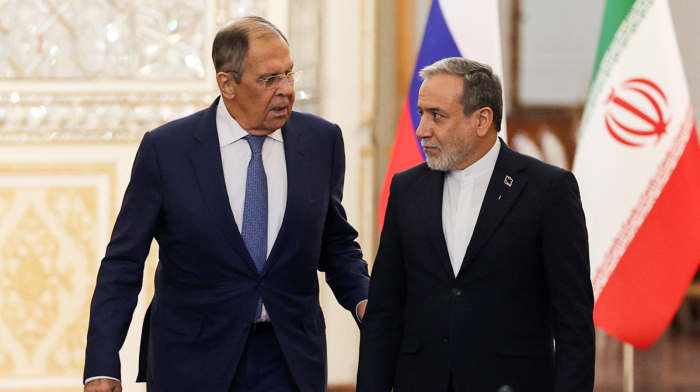
Iran open to compromises to reach a nuclear deal with the U.S.
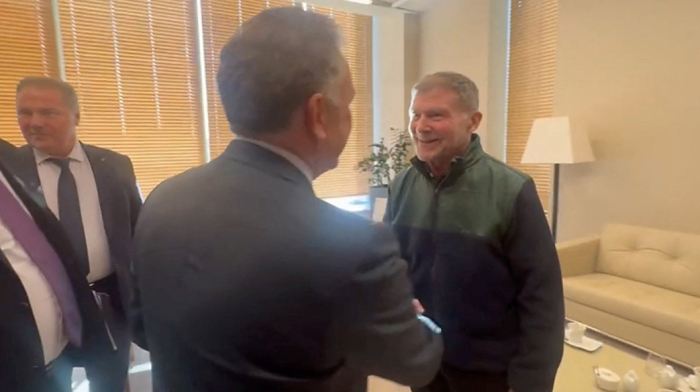
Iran is pursuing a nuclear agreement with the U.S. that delivers economic benefits for both sides, an Iranian diplomat was reported as saying on Sunda...
The European Parliament has approved a non-binding resolution calling for a minimum age of 16 for social media access across the EU, citing rising concerns about children’s mental health and online safety.
The measure, adopted on Wednesday, recommends that users under 16 should only be allowed on platforms with parental or guardian consent. It also proposes setting a minimum age of 13 for social media platforms, video-sharing services and emerging “AI companions.”
The move follows growing global scrutiny of online harms affecting children. Major companies, including TikTok, Snapchat, Google and Meta, are already facing multiple lawsuits in the United States alleging their products contributed to a youth mental health crisis.
Reactions in Paris reflected the debate across Europe. Some welcomed tighter safeguards, arguing that social media exposes young users to harmful content. Others said digital platforms can also support learning and creativity if used responsibly.
One film studies student, Lucien Frison, said the proposal has “both a positive and a negative side,” noting that social media can spread harmful ideas but also helps young people “learn on their own” when properly guided.
Parents also voiced mixed opinions. Christian Lema, a sustainable development director and father of three, called an outright ban “too extreme,” stressing the importance of parental responsibility and time limits rather than blanket restrictions.
Financial executive Christophe Cherry said social media played a positive role in his children’s education, adding that any regulation should focus on preventing hate speech and harmful content instead of cutting off access entirely.
Beyond age limits, the resolution calls for new rules to restrict “loot boxes,” age-inappropriate recommendation algorithms and content that is not designed for younger users.
French President Emmanuel Macron has previously suggested banning social media for children under 15, but individual EU states will ultimately set their own national age rules.
The Parliament’s vote does not create binding legislation, but it increases pressure on the European Commission and member states to adopt stricter digital protections for minors.

U.S. Ambassador to NATO Matthew Whitaker said China has the power to bring an end to Russia’s war in Ukraine, arguing that Beijing is enabling Moscow’s military campaign.
American figure skating star Ilia Malinin endured a dramatic collapse in the men’s free skate on Friday night, falling twice and tumbling out of medal contention at the Milan Cortina Winter Olympics as Kazakhstan’s Mikhail Shaidorov surged to a surprise gold medal.
“Respected and feared globally,” U.S. President Donald Trump told troops at Fort Bragg on Friday (13 February), framing America’s renewed strength against to mounting pressure on Iran amid stalled nuclear talks.
Speaking at Munich Security Conference, Ukrainian foreign minister Andrii Sybiha calls for decisive steps ahead of expected Geneva talks
Thousands of fans packed River Plate’s Monumental Stadium in Buenos Aires on Friday for the first of three sold-out concerts by Puerto Rican reggaeton star Bad Bunny, as part of his “Debí Tirar Más Fotos” World Tour.
U.S. Secretary of State Marco Rubio on Sunday (15 February) called it “troubling” a report by five European allies blaming Russia for killing late Kremlin critic Alexei Navalny using a toxin from poison dart frogs.
Former U.S. President Barack Obama has criticised a video shared by President Donald Trump depicting him and former first lady Michelle Obama as apes, describing it as “deeply troubling”.
U.S. Secretary of State Marco Rubio will begin a two-day visit to Slovakia and Hungary on Sunday (15 February), aimed at strengthening ties with the two Central European nations, whose leaders have maintained close relations with President Donald Trump.
The Munich Security Conference concludes on Sunday (15 February) with discussions centred on Europe’s role in an increasingly unstable global landscape, including security coordination, economic competitiveness and the protection of democratic values.
Start your day informed with AnewZ Morning Brief: here are the top news stories for the 15th of February, covering the latest developments you need to know.
You can download the AnewZ application from Play Store and the App Store.
What is your opinion on this topic?
Leave the first comment