Khamenei’s funeral reaches beyond Iran’s borders
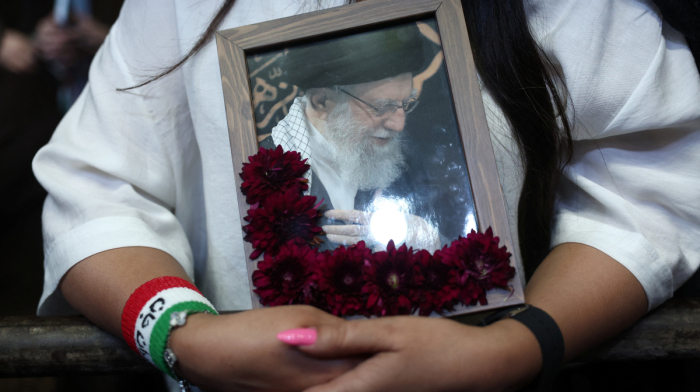
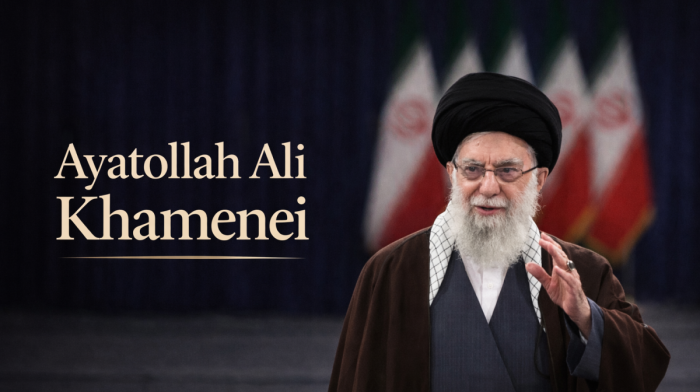
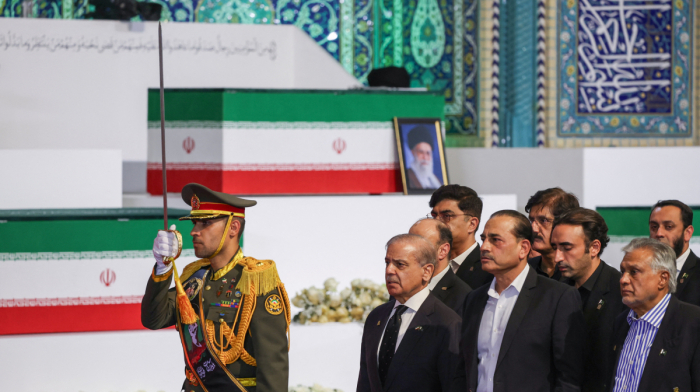
Wednesday marks the fifth day of the massive public farewell funeral processions of its former Supreme Leader Ayatollah Seyed Ali Khamenei, who was killed in a U.S.-Israeli air strike in February.
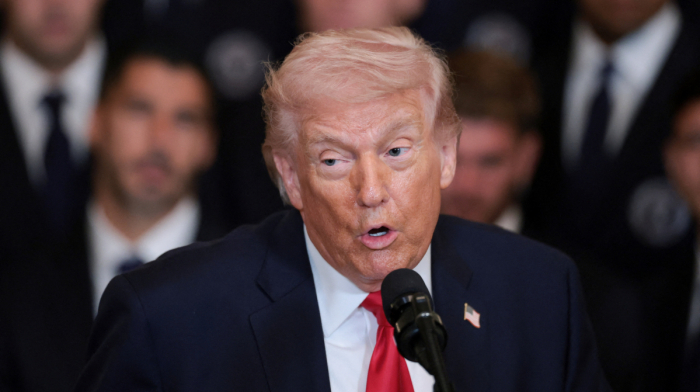
President Donald Trump said Iran is keen to reach a deal with the United States, claiming Washington had paused engagement to allow funeral ceremonies for late Iranian Supreme Leader Ali Khamenei.
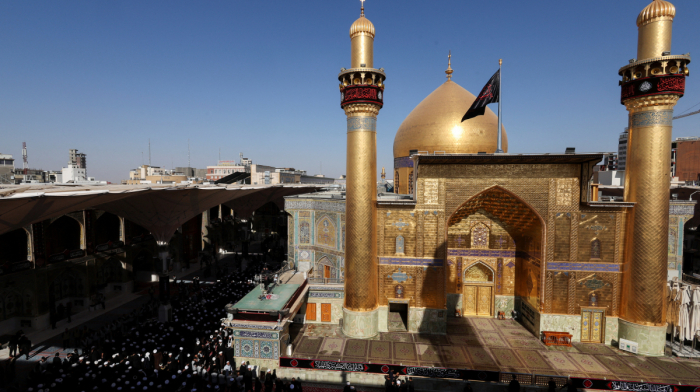
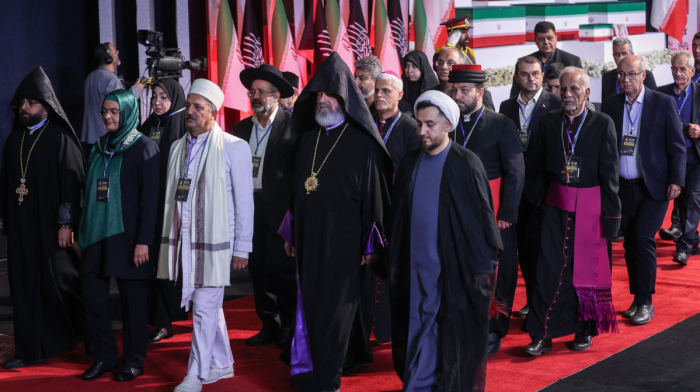
International politicians and religious leaders have paid respects to Iran's late Supreme Leader Ali Khamenei throughout the day, ahead of his six day funeral ceremony which begins on Saturday. His casket is currently on display at the Iman Khomeini Grand Mosalla in Tehran.
Iran is preparing for a week-long farewell to former Supreme Leader Ayatollah Seyed Ali Khamenei, who was killed in February during Israeli-U.S. air raids. His state funeral and burial will begin on 4 July amid continuing tensions between Tehran and Washington.
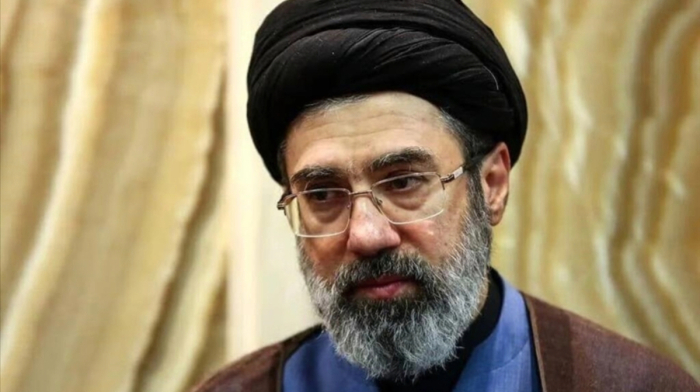
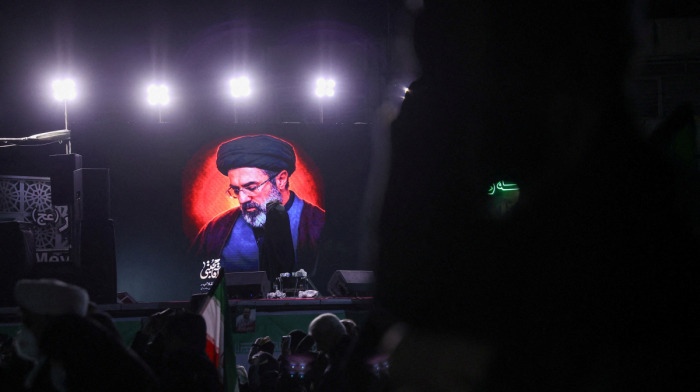
Iran named Mojtaba Khamenei to succeed his father Ali Khamenei as supreme leader on Monday (9 March), signaling that hardliners remain firmly in charge, as the week-old U.S.-Israeli war with Iran pushed oil above $100 a barrel.
Mojtaba Khamenei, son of the late Ayatollah Ali Khamenei, is a hardline cleric with strong backing from the Islamic Revolutionary Guard Corps. His rise signals continuity in Tehran's anti-Western policies.
U.S. President Donald Trump has demanded Iran’s “unconditional surrender,” almost a week into the conflict with Tehran. Trump made the comments on social media on Friday (6 March), hours after the Iranian president said unspecified countries had begun mediation efforts.
Ayatollah Ali Khamenei, Iran’s supreme leader for 36 years and the country’s highest political and religious authority, has died aged 86 following joint Israeli and U.S. strikes on his compound in Tehran.
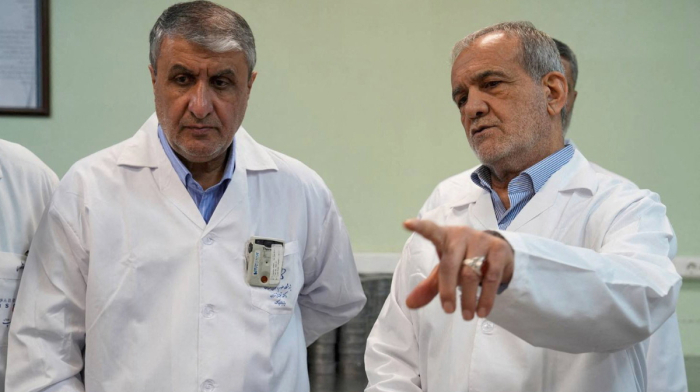
Iran’s nuclear agency chief Mohammad Eslami said on Saturday that nuclear weapons have “no place” in Iran’s military doctrine, insisting the country is fully capable of defending itself without possessing an atomic bomb.
You can download the AnewZ application from Play Store and the App Store.