Azerbaijan offers gas and reconstruction support to Ukraine
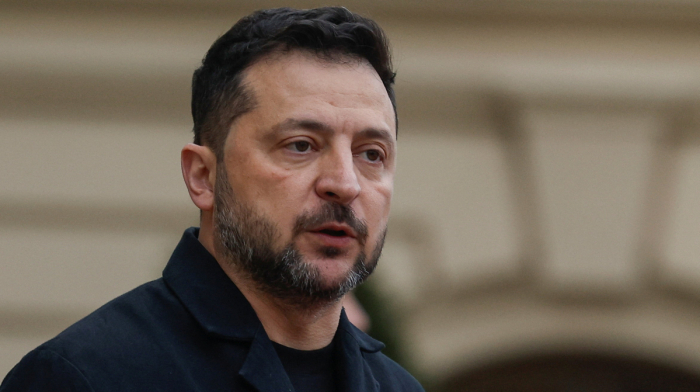
Azerbaijan and Ukraine are seeking to deepen cooperation in energy, reconstruction and trade, with Baku signalling its readiness to supply natural gas...
Honduras has brought back mask mandates as COVID-19 cases and a new variant surge nationwide.
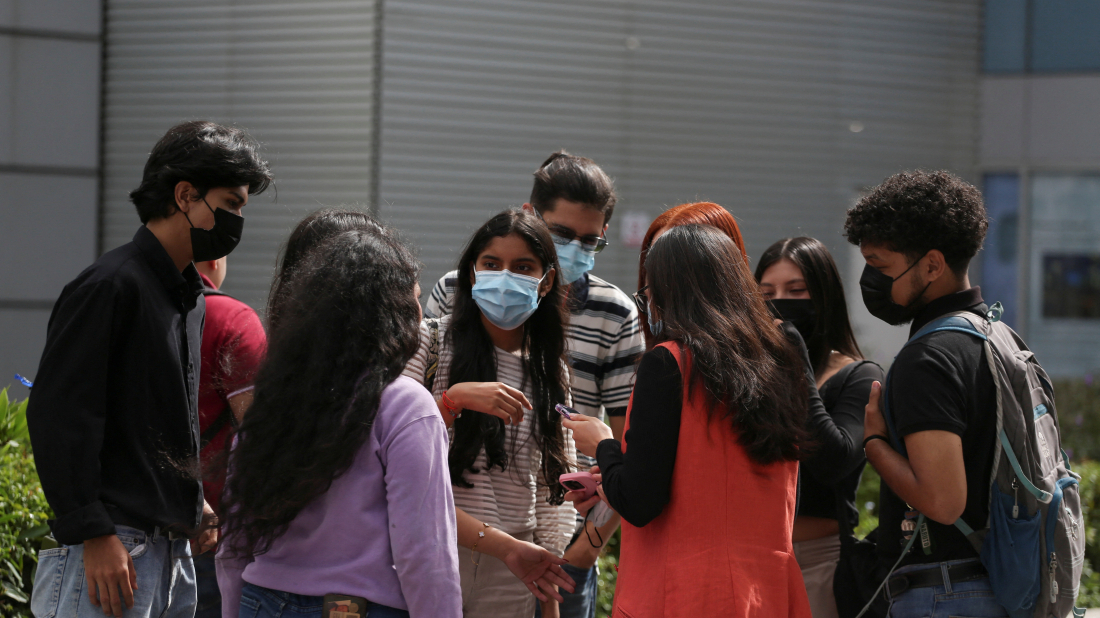
More than five years after the initial COVID-19 outbreak, Honduras has reintroduced mandatory mask wearing in public spaces as infections rise and a new virus variant circulates across the country.
The Health Ministry confirmed two virus-related deaths this week, bringing the 2025 total to six, all involving patients with pre-existing conditions.
“We have already surpassed last year’s infection limit,” said Lorenzo Pavón, head of Health Surveillance. “There are currently five patients admitted to Hospital Escuela with suspected COVID-19.”
From January to July last year, 596 COVID-19 cases were reported. In the same period this year, the number has climbed to 654.
The new measures, effective Thursday, require mask use in hospitals, airports, banks, shopping centers, schools, public transport, and other enclosed or crowded areas. The government also imposed remote work mandates for public sector institutions.
Authorities are urging citizens to update their COVID-19 and flu vaccinations, maintain hygiene practices, and seek medical care for respiratory symptoms. The Health Ministry said it will closely monitor virus variants and may expand restrictions if infections continue to rise.

Start your day informed with AnewZ Morning Brief. Here are the top news stories for the 5th of August, covering the latest developments.
U.S. President Donald Trump said there was an "all-day negotiation" on Tuesday with Iran, characterising the talks positively while also threatening to hit Iran "really hard" if a deal was not reached.
Shipping traffic through the Strait of Hormuz and the Bab el-Mandeb Strait, two key maritime chokepoints in the region, decreased significantly from the previous day, according to shipping data.
Start your day informed with AnewZ Morning Brief. Here are the top news stories for the 6th of August, covering the latest developments.
Kazakhstan’s main oil export corridor was disrupted by drone strikes near Russia’s Black Sea coast in July, forcing a temporary suspension of crude loadings and raising fresh concerns over the vulnerability of regional energy infrastructure to the war in Ukraine.
The Ebola outbreak in the Democratic Republic of Congo is expected to surpass 4,000 cases this week, with delayed detection, weak surveillance, funding shortages and conflict allowing the virus to spread faster than in any previous epidemic at the same stage.
Australia warned on Monday (3 August) of a wider spread of H5N1 bird flu after its first confirmed mass mortality event among seabirds killed about 50 greater crested terns off the coast of South Australia, south of Adelaide.
Cancer patients in Sudan are struggling to access life-saving treatment as soaring medication costs, power shortages and damaged hospital infrastructure deepen the country's healthcare crisis after more than three years of war.
The world risks a resurgence of the HIV epidemic after international funding fell by nearly a fifth last year, according to a new report from UNAIDS, which warned that decades of progress against the disease could be reversed without renewed global support.
A global shift towards healthier diets, more efficient farming and reduced food waste could cut greenhouse gas emissions from agriculture-related land-use change by 85% by 2050, according to a study published last week in the journal Nature.
You can download the AnewZ application from Play Store and the App Store.
What is your opinion on this topic?
Leave the first comment