Iran says it will deliver its response to recent U.S. proposals through intermediaries, underscoring that communication between the two countries continues indirectly alongside ongoing diplomatic efforts to reduce tensions.
Foreign Ministry spokesman Ismail Baghaei said Tehran's position on ending hostilities and restoring security in the Gulf region is already well defined.
Speaking to Iran's state news agency, he said the country's conditions for ending what Iran describes as an “imposed war” and ensuring stability in the Persian Gulf and the Strait of Hormuz have been clearly communicated.
According to Baghaei, Iran's reply to the latest U.S. proposals will be transmitted through mediators rather than direct negotiations.
The latest comments highlight the continued reliance on third parties to facilitate communication between Tehran and Washington.
Iranian officials have repeatedly stressed that messages between the two sides are being exchanged through intermediaries, with no direct channel currently being used for negotiations.
While both countries continue to discuss ways of reducing tensions, significant differences remain over the conditions required for a broader agreement.
Focus on the Strait of Hormuz
The diplomatic exchanges follow a proposal unveiled last week by Iranian Foreign Minister Abbas Araghchi during a visit to New York.
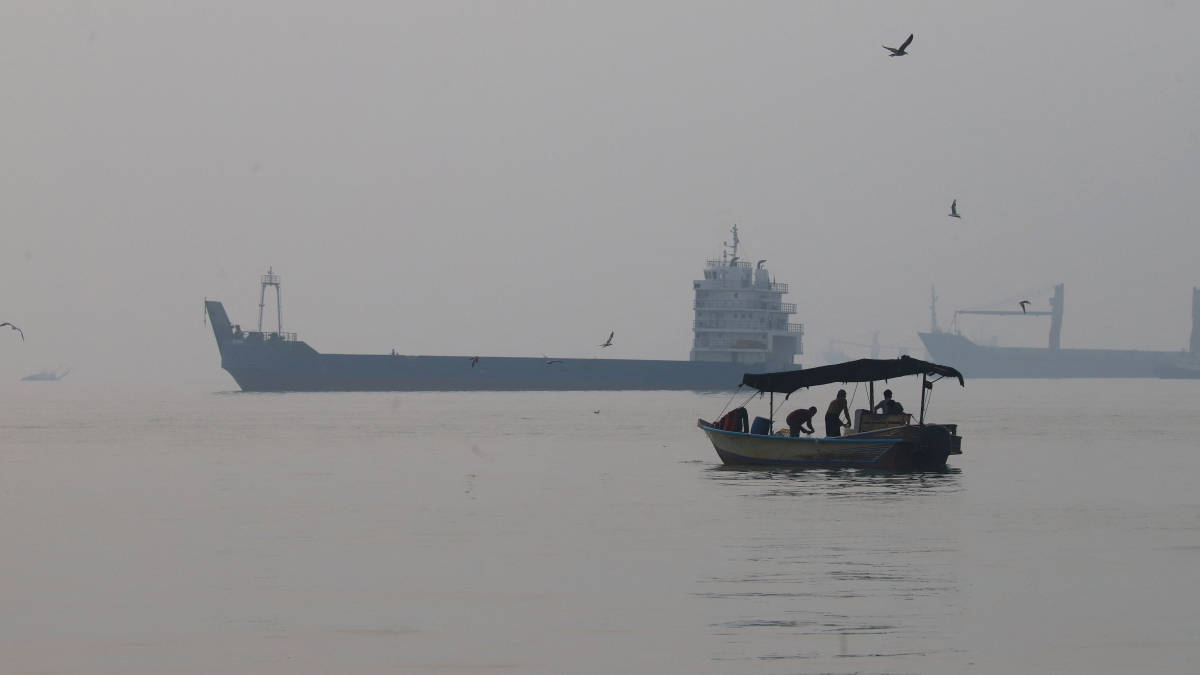
The initiative reportedly outlines a seven-day framework aimed at reducing regional tensions and reopening the Strait of Hormuz, one of the world's most important energy shipping routes.
According to Iranian media reports, Tehran conveyed the proposal to the United States through intermediaries, while Washington presented its own views on the initiative through the same channels.
Under the reported Iranian framework, the reopening of the Strait of Hormuz would be followed by negotiations on a broader settlement.
However, Tehran has indicated that progress would depend on the United States meeting a number of Iranian conditions before final talks could move forward.
Iranian officials have not publicly detailed all of those requirements, but they have consistently argued that any agreement must address regional security concerns and provide guarantees against future escalation.
Uncertain path forward
The exchange of proposals suggests that diplomatic contacts remain active despite months of confrontation and regional instability.
The Strait of Hormuz remains a central issue in the discussions because of its strategic importance to global energy markets. Any disruption to shipping through the narrow waterway can have significant implications for oil and gas supplies worldwide.
For now, both sides appear to be reviewing competing proposals through intermediaries, with Tehran indicating that its formal response will be delivered through the same indirect channels that have facilitated recent contacts.
Read more:














What is your opinion on this topic?
Leave the first comment