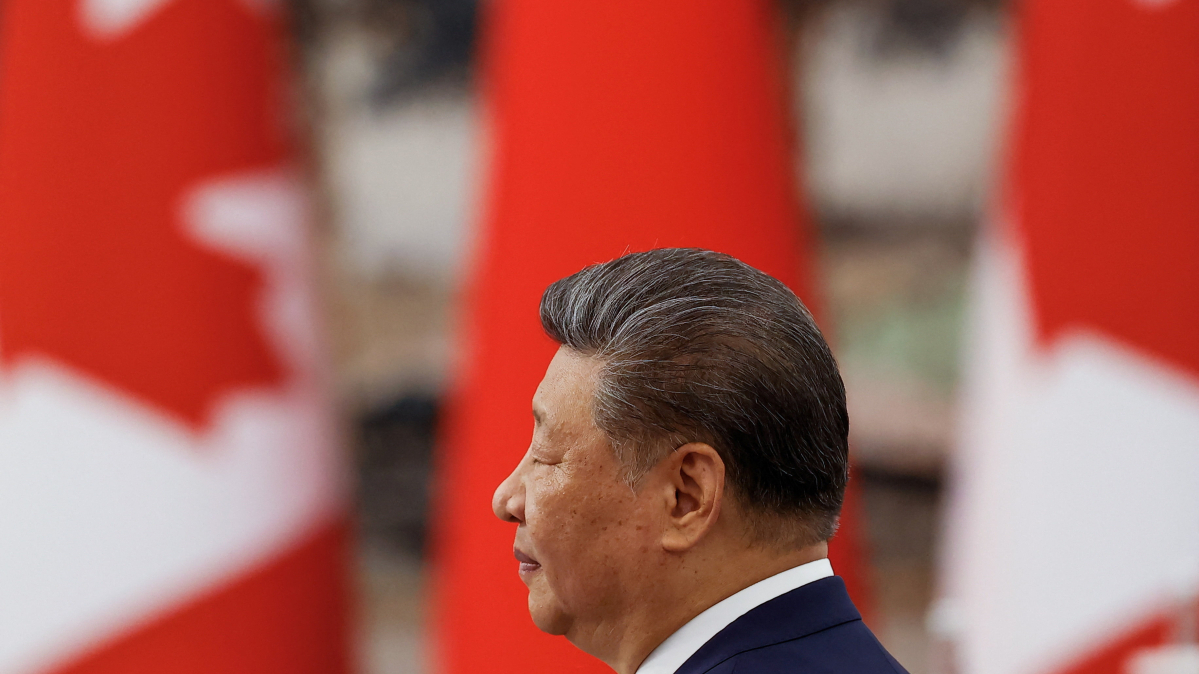
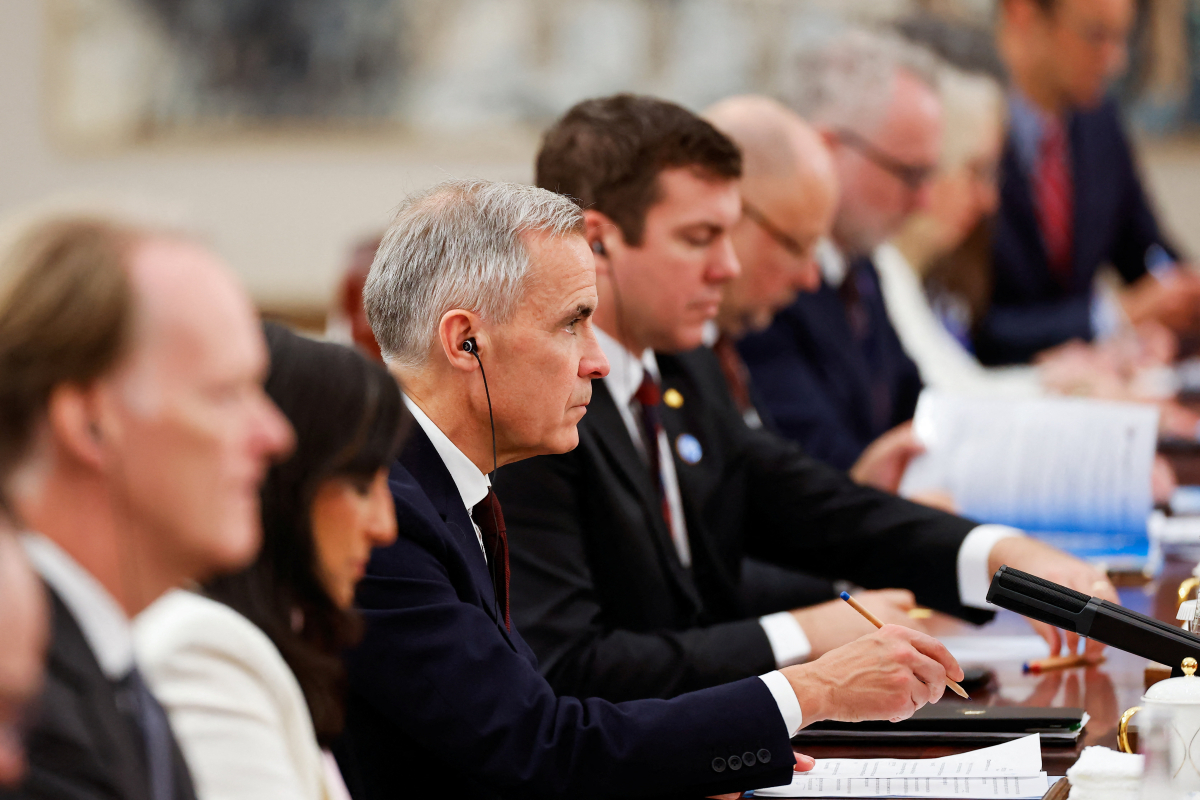
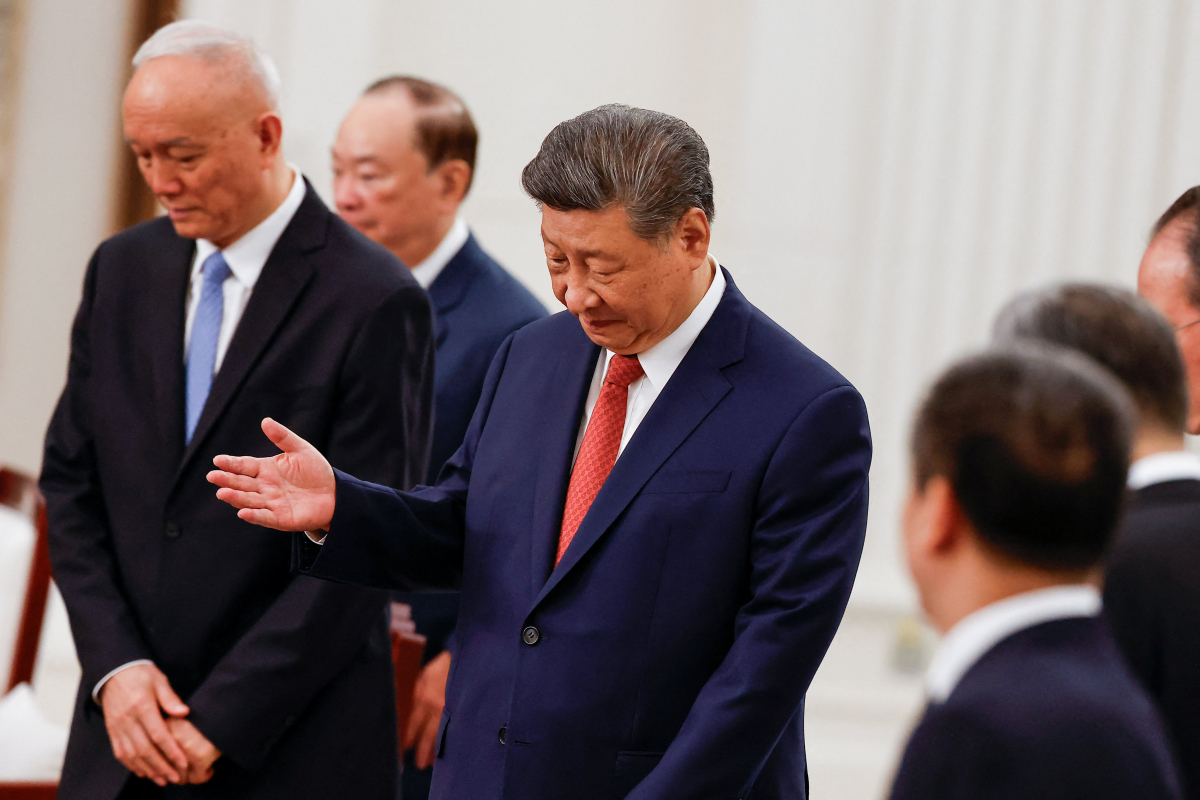
China will cut tariffs on more Canadian exports, including pork and seafood, after talks between Chinese President Xi Jinping and Canadian Prime Minister Mark Carney.
The leaders met in the southern Chinese city of Shenzhen on Tuesday (17 November), ahead of the Asia-Pacific Economic Cooperation (APEC) summit. It was their third meeting since Carney took office.
The extra relief covers about $280 million of Canadian exports, including frozen pork cuts, fish and seafood, Carney’s office said. In exchange, Canada will extend its tariff cuts on certain Chinese steel and aluminium products, which were due to expire at the end of 2026.
Carney welcomed “greater predictability and stability” in relations and said Canada was well ahead of its goal of raising exports to China by 50 per cent by 2030.
Relations between the two countries froze in late 2018 after the arrest of Chinese firm Huawei’s Chief Financial Officer Meng Wanzhou in the western Canadian city of Vancouver on a U.S. extradition request.
Beijing subsequently detained two Canadian citizens, Michael Kovrig and Michael Spavor, on suspicion of spying. In September 2021, the U.S. Department of Justice dropped its extradition request for Meng. She returned to China, and Michael Kovrig and Michael Spavor were released back to Canada.
In March 2025, China imposed a 100 per cent tariff on Canadian canola oil and peas, and 25 per cent tariffs on pork and seafood. Beijing described the move as retaliation for Canada’s 100 per cent tariffs on Chinese electric vehicles.
Carney and Xi held their first formal talks since 2017 in South Korea in October 2025. Carney next visited Xi in Beijing in January, after which Ottawa agreed to reduce its 100 per cent tariff on tens of thousands of Chinese electric vehicles over five years. In exchange, Beijing lowered tariffs on Canadian canola seed and meal.
Shipments of Canadian crude oil to China have risen about 37 per cent this year, according to a calculation based on London Stock Exchange Group data.
Since becoming Canadian Prime Minister, Carney has sought to reduce Canada’s heavy reliance on the U.S., which has imposed hefty tariffs on many Canadian products.
Xi says cooperation fully resumed
Xi said that since the two countries agreed in January to advance the China-Canada strategic partnership, exchanges and cooperation across various fields have fully resumed.
He outlined four proposals to advance bilateral ties, the official Xinhua news agency reported. They include deeper cooperation in trade, energy, agriculture and finance, and expansion into green, digital and e-commerce sectors.
“Stronger communication and cooperation between China and Canada will benefit not only our two countries but also Asia-Pacific and the world,” Xi told Carney in Shenzhen.
Security analysts and human rights groups have warned that closer links with Beijing could compromise Canadian security and values.
Critics point to the imprisonment of Hong Kong pro-democracy media mogul Jimmy Lai, China’s secret execution of four Canadians last year, and Canadian intelligence findings that Beijing interfered in at least two federal elections.
China has said it has no interest in interfering in Canada’s internal affairs.
Read more from Canada:
















What is your opinion on this topic?
Leave the first comment