Canada has reinstated sanctions on 11 Iranian entities over concerns about their alleged links to the country's nuclear programme, ballistic missile development and financial networks supporting its strategic activities.
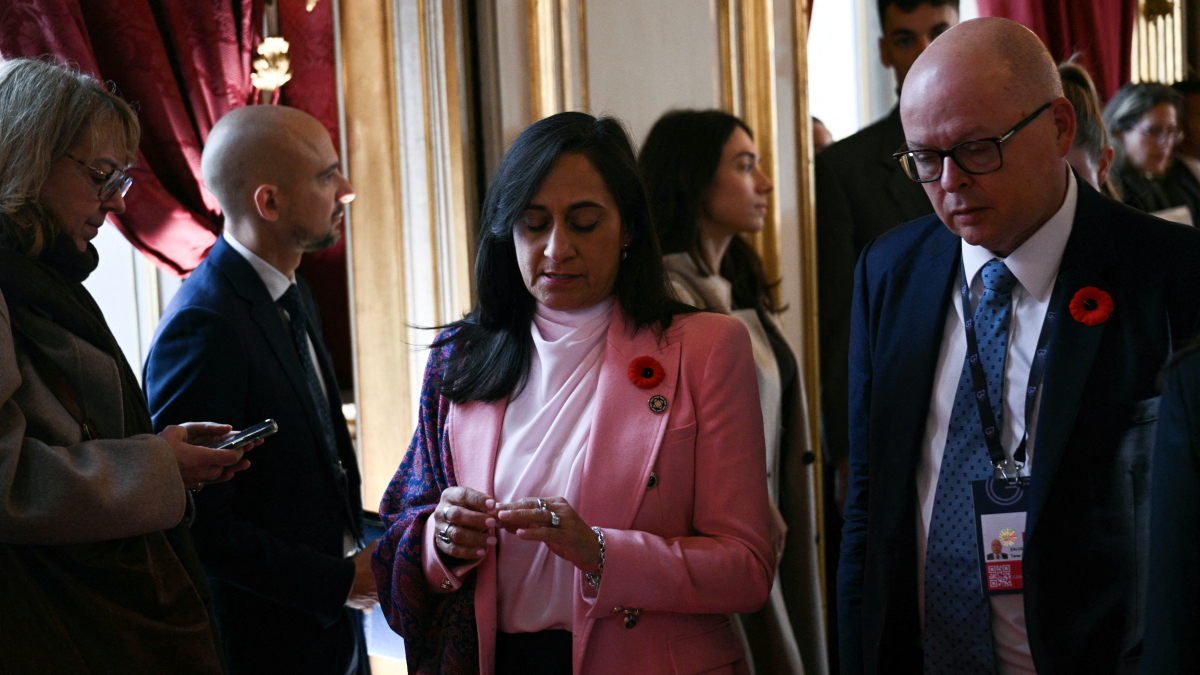
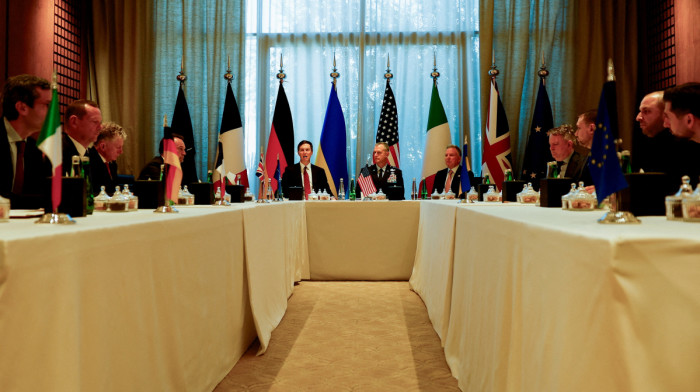
The measures were announced by Canadian Foreign Minister Anita Anand at a Group of Seven (G7) foreign ministers' meeting in Paris. Ottawa said the sanctions aim to restrict access to financing, technology and commercial support that could strengthen Tehran's nuclear and missile capabilities.
The decision follows concerns over Iran's cooperation with the International Atomic Energy Agency (IAEA) and what Canada describes as its continued failure to meet international obligations.
Canada previously lifted sanctions against the same 11 entities in 2016, following the implementation of the 2015 nuclear agreement between Iran and world powers.
Banks, energy and shipping firms targeted
The renewed restrictions cover key sectors of Iran's economy, including energy, shipping, banking and nuclear-related industries.
The targeted entities include the National Iranian Oil Company, National Iranian Tanker Company, Bank Mellat, Bank Melli and the Export Development Bank of Iran, alongside firms involved in fuel procurement and nuclear fuel production.
Canadian officials say the organisations help finance or support activities connected to Iran's strategic programmes.
Nuclear tensions fuel diplomatic uncertainty
The announcement comes amid persistent tensions between Tehran and Western governments over Iran's nuclear ambitions.
The U.S., European powers and Israel have raised concerns that Iran's nuclear programme could eventually enable it to develop weapons. Tehran rejects the allegations, maintaining that its nuclear activities are exclusively peaceful.
Despite the tensions, diplomatic efforts remain under way. Iranian officials recently submitted nuclear proposals through Qatari mediators, according to reports, although major disagreements persist between Tehran and Washington over the conditions for negotiations.
Iran has reportedly demanded sanctions relief, access to frozen assets and compensation linked to the conflict before entering substantive talks. Washington, meanwhile, insists that nuclear issues must be addressed from the outset.
Iranian official raises prospect of nuclear policy shift
The sanctions also come after remarks by Mohsen Rezaei, a senior Iranian security official, who suggested Tehran had discussed whether to reconsider its long-standing opposition to nuclear weapons if hostilities escalate.
Rezaei emphasised that no decision had been made, but his comments drew international attention and heightened concerns over Iran's future nuclear policy.
Canada steps up pressure on Tehran
Ottawa's decision marks a tougher approach towards Iran, following years of broadly aligning its policies with international diplomatic efforts.
Reinstating sanctions lifted under the 2015 nuclear deal signals Canada's growing unease over Tehran's nuclear and ballistic missile programmes.
Canadian officials said the measures are intended to increase economic pressure on entities linked to those activities and reinforce international efforts to prevent Iran from acquiring nuclear weapons.
The move adds Canada to a growing group of governments tightening economic restrictions on Tehran, even as diplomatic efforts to resolve the nuclear dispute continue against a backdrop of regional instability.
Read more:













What is your opinion on this topic?
Leave the first comment