The United States has warned foreign financial institutions that continued dealings with Iran's banking sector could expose them to sanctions, signalling a tougher approach as Washington seeks to further isolate Tehran from the global financial system.
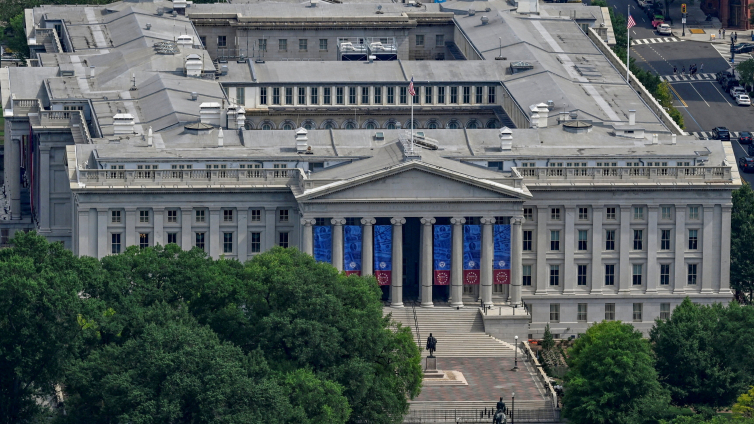
In a new notice, the U.S. Treasury Department's Office of Foreign Assets Control (OFAC) said banks and other financial institutions outside the United States risk punitive measures if they continue conducting transactions involving sanctioned Iranian entities.
The warning was issued under Washington's ongoing “Operation Economic Exclusion” campaign, which aims to restrict Iran's access to international finance.
The Treasury Department stressed that enforcement action could be taken without advance notice, urging financial institutions to immediately review and, where necessary, terminate relationships involving Iranian banks and their affiliates.
According to the Treasury, institutions that help facilitate Iran's participation in the global financial system could face sanctions if they operate in, support, or provide services to sectors of the Iranian economy already targeted by U.S. restrictions. The warning extends to transactions involving Iranian banks and their subsidiaries or branches operating in third countries.
U.S. officials also cautioned that foreign institutions could face legal consequences if their dealings with Iran result in American financial institutions or U.S. persons inadvertently violating sanctions regulations.
Washington claims campaign is producing results
The latest warning comes as the Trump administration seeks to increase economic pressure on Tehran amid ongoing disputes over Iran's nuclear programme and its support for armed groups across the Middle East.
U.S. Treasury Secretary Scott Bessent argued that the campaign is already having a significant impact on Iran's economy.
Writing on social media, Bessent claimed the Iranian rial had fallen to record lows and said Iran had been unable to load crude oil onto tankers during the previous month. He also asserted that senior Iranian officials had acknowledged the country's economic difficulties.
Bessent said Washington would maintain pressure on Tehran until the government changed what the administration describes as destabilising regional policies.
“The Iranian regime is allowing its own people to suffer while channelling its resources into terrorism,” Bessent said, adding that the campaign would continue until Iran could no longer finance militant groups or advance its nuclear programme.
Rather than targeting only Iranian institutions, Washington is increasingly focusing on third-country entities that maintain business links with Tehran. By threatening secondary sanctions, U.S. authorities hope to discourage banks, insurers and financial service providers from processing transactions connected to Iran.
Such measures have historically proven effective because many international banks prefer to avoid risks that could threaten their access to the U.S. financial system.
The warning is likely to place additional pressure on financial institutions in countries that continue to maintain commercial ties with Iran, particularly those involved in trade, energy and cross-border payments.
Pressure campaign unfolds amid regional tensions
The move comes at a time of heightened tensions between Washington and Tehran, with diplomatic efforts facing repeated obstacles and security concerns persisting across the Middle East.
Iran has repeatedly criticised U.S. sanctions, arguing they amount to economic warfare and disproportionately affect ordinary citizens. Iranian officials have also maintained that the country's nuclear activities are peaceful and have rejected accusations that Tehran seeks to develop nuclear weapons.
The OPEC member's oil minister Mohsen Paknejad resigned from his position on Sunday evening as economic pressure intensified. No reason was given for his departure.
Washington, meanwhile, has continued to argue that economic pressure remains one of its most effective tools for influencing Iranian behaviour.
The renewed sanctions warning suggests the administration is not only seeking to tighten existing restrictions but is also prepared to target foreign institutions that help Iran maintain access to international financial networks, widening the reach of U.S. enforcement beyond Iran's borders.
Read more:
















What is your opinion on this topic?
Leave the first comment