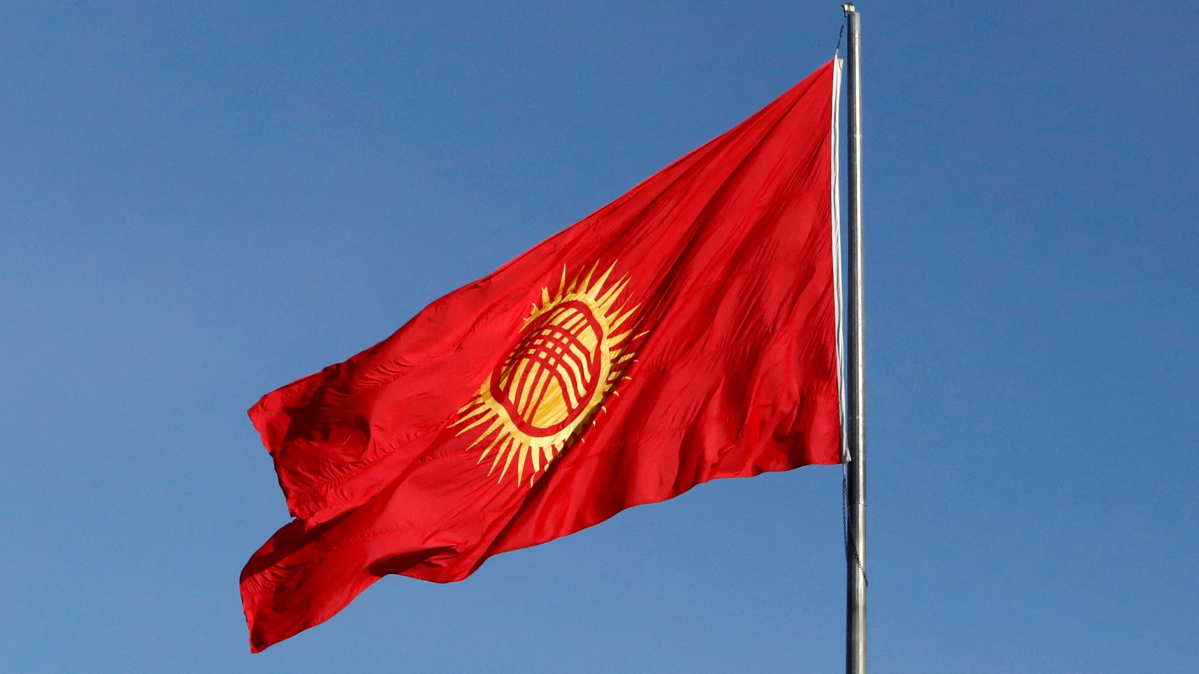
Kyrgyzstan's economy expanded by 10.5 per cent in the first ten months of 2026, but rising prices for food, goods and services have raised questions about how much households are benefiting from the country's economic growth.
Kyrgyzstan's gross domestic product (GDP) increased by 10.5 per cent year-on-year between January and October 2026, compared with 10 per cent growth during the same period last year.
Despite the strong performance, economic growth moderated to its slowest pace since the first quarter of 2026, suggesting that economic activity may be losing some momentum.
The services sector remained the largest contributor to GDP, accounting for 48.9 per cent of economic output, followed by goods-producing industries at 36 per cent and net taxes on products at 15.1 per cent.
Industrial production rose by 5.2 per cent, supported by increased output in chemicals, refined petroleum products, motor vehicles, wood and paper products, and construction materials. However, basic metals production declined by 6.1 per cent, partially offsetting gains elsewhere.
Rising prices put pressure on household budgets
While economic output continued to expand, consumer prices and tariffs rose by 8.8 per cent between December 2025 and October 2026, according to Kyrgyzstan's National Statistical Committee, as reported by Economist.kg.
Service tariffs recorded the largest increase at 12.12 per cent, while food and non-alcoholic beverages became 7.7 per cent more expensive. Non-food goods rose by 7.6 per cent, and alcoholic beverages and tobacco products increased by 8 per cent.
Higher prices affected a wide range of everyday essentials, including meat, poultry, eggs, dairy products, bread, fresh fruit, vegetable oil, fish, sugar and flour.
However, some food items became cheaper, with prices falling for fresh vegetables, potatoes and rice.
Price increases were recorded across all regions of Kyrgyzstan, with the sharpest rise reported in Osh region, where consumer prices climbed by 17.1 per cent.
Is economic growth translating into better living standards?
The figures highlight an important distinction between national economic performance and household purchasing power.
Although GDP growth indicates that the economy is producing more goods and services, it does not necessarily mean that households have more money to spend.
Rising prices can erode purchasing power if wages and incomes fail to keep pace, particularly when the cost of essential goods and services increases.
However, the available data does not establish whether household incomes have risen faster or slower than consumer prices.
The latest figures also show that price pressures persisted through October. Consumer prices and tariffs had increased by 8.1 per cent between December 2025 and September 2026, with the cumulative rise reaching 8.8 per cent by October.
Government moves to contain rising prices
In September, Kyrgyzstan's government approved an action plan aimed at containing price increases during 2026–2027.
According to Economist.kg, the measures focus on stabilising prices, expanding the supply of goods, strengthening domestic production and developing trade and logistics infrastructure.
The initiative comes as the country seeks to sustain economic growth while addressing higher costs for consumers.
Kyrgyzstan's latest economic figures point to continued expansion, but they also underline the importance of household purchasing power in assessing whether that growth is translating into improved living standards.
With consumer prices continuing to rise, the question is not only how quickly the economy is growing, but how widely the benefits are being felt.
Read more of the latest news:

















What is your opinion on this topic?
Leave the first comment