Australia and Singapore have agreed to deepen cooperation on energy security as global fuel markets come under strain from disruption linked to the conflict in the Middle East.
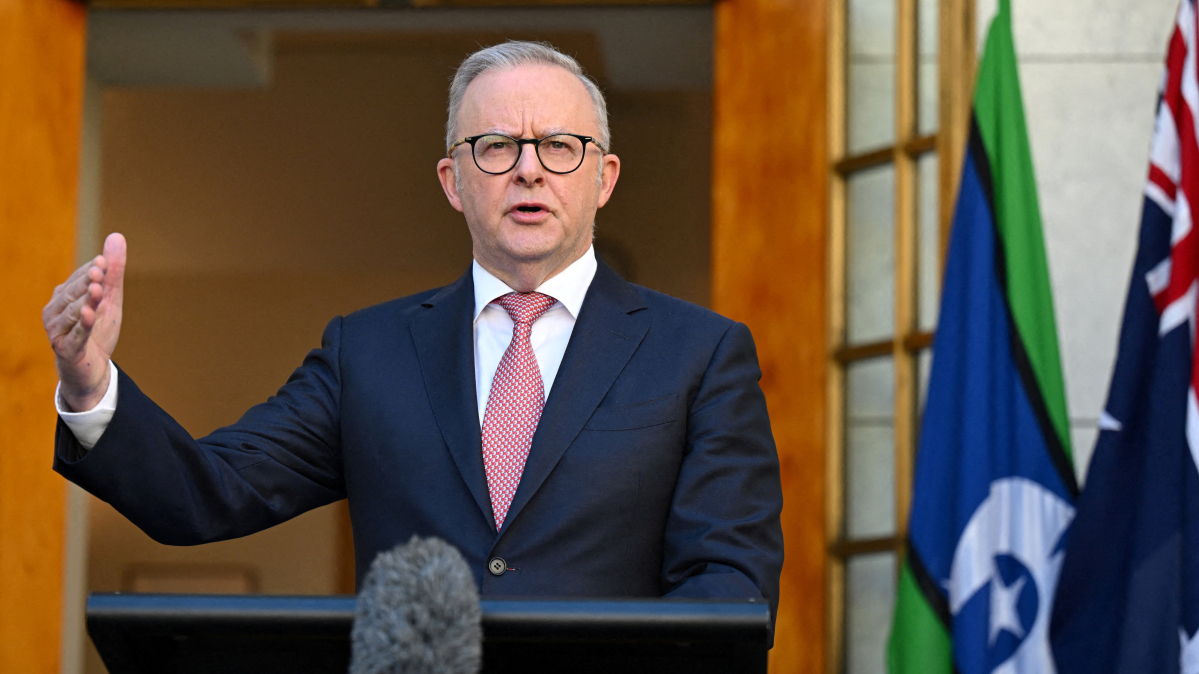
Australian Prime Minister Anthony Albanese met Singaporean Prime Minister Lawrence Wong on Friday in Singapore, where both leaders pledged to keep vital energy flows steady and strengthen coordination on supply security.
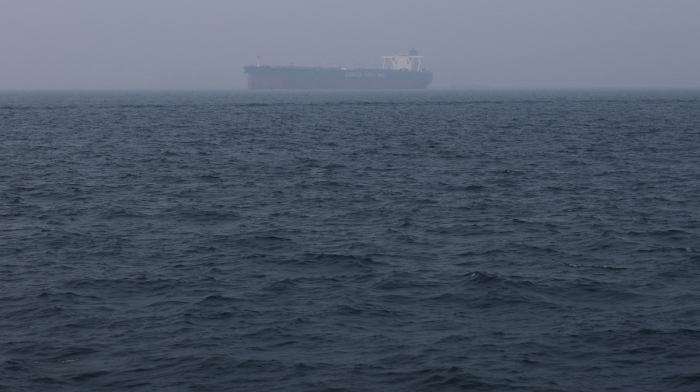
The talks come as tensions around the Strait of Hormuz continue to unsettle global shipping routes, raising concerns across Asia over oil and gas availability.
Fuel starin in Australia
Australia has been facing tight diesel supplies, with knock-on effects already being felt in agriculture and mining - two sectors heavily dependent on fuel.
Reports of panic buying have also led to temporary shortages at petrol stations in some parts of the country.
Australia imports a large share of its refined fuel, with Singapore acting as a key supplier. In turn, Australia is a major supplier of liquefied natural gas to Singapore, underscoring the interdependence of the two economies.
Energy flows under pressure
Singapore remains one of Asia’s largest refining hubs, while Australia uses roughly one million barrels of oil a day but has limited domestic refining capacity compared with past decades.
The disruption to shipping through the Strait of Hormuz - a vital global energy artery - has further tightened supply chains. Although a fragile ceasefire between the United States and Iran is in place, maritime traffic in the region remains subdued.
Officials say Singapore accounted for more than half of Australia’s petrol imports in recent data, highlighting its central role in keeping Australian fuel systems supplied.
New framework for cooperation
The two leaders said their commitments would be formalised in a legally binding protocol under their existing free trade agreement. This will include measures on energy security, critical supplies and broader economic resilience.
Singapore, meanwhile, reiterated that it has no intention of restricting exports, even under global pressure.
“We didn’t do so during COVID, and we will not do so now,” Wong said.
The countries will also establish new ministerial-level dialogue mechanisms focused on energy and economic resilience.
A shared response to global instability
Albanese said the conflict in the Middle East was being felt far beyond the region.
“By building regional cooperation on energy security, we strengthen our own fuel security and our own economy,” he said.
The Australian leader has been on a three-day visit to Singapore as part of wider diplomatic efforts to secure fuel supply stability across Asia, with Canberra also in discussions with several other regional partners.












What is your opinion on this topic?
Leave the first comment