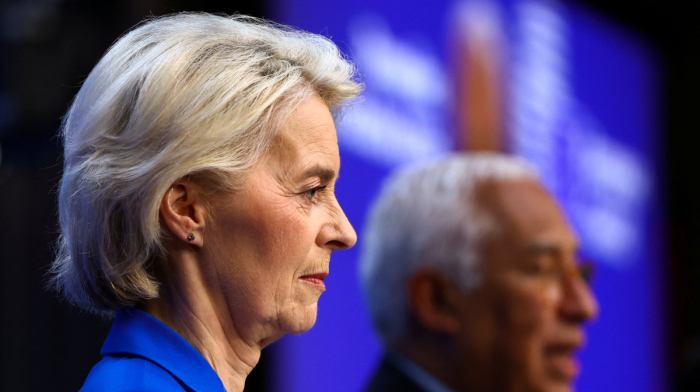
Argentina and Uruguay approve Mercosur–EU free trade agreement
Argentina and Uruguay on Thursday became the first founding members of the Mercosur bloc to ratify a long-awaited free trade agreement with the Europe...
Despite repeated round of negotiations, there is increasing doubts on whether nuclear talks between the two countries will lead to an agreement.
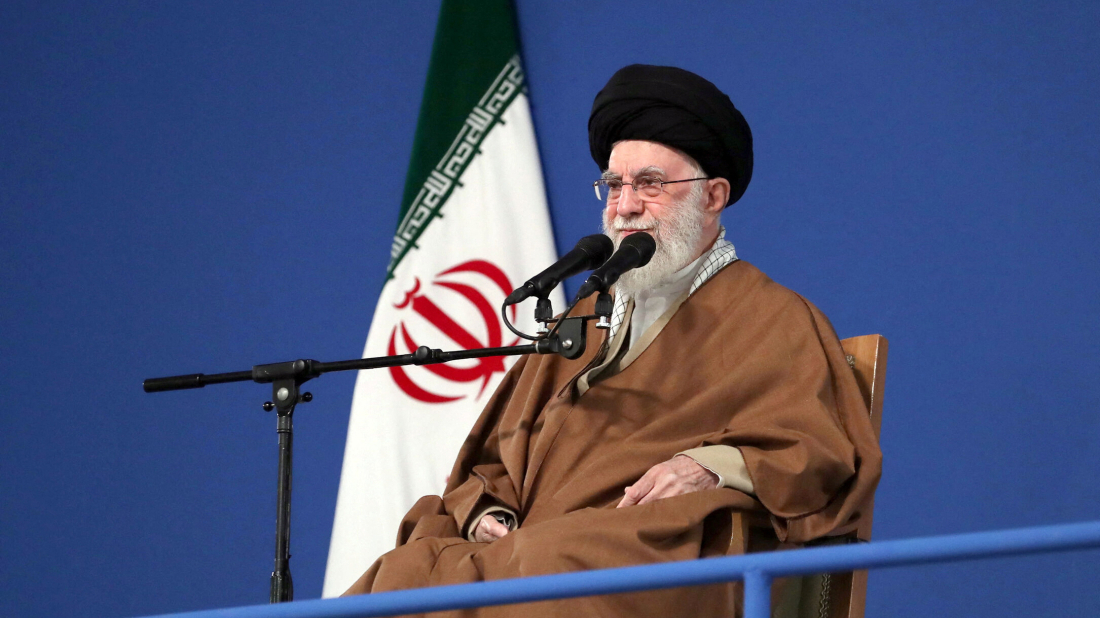
Iran's Supreme Leader Ayatollah Ali Khamenei has said U.S. demands for Tehran to stop enriching uranium are "excessive and outrageous".
His comments, reported by state media, cast further doubt on the likelihood of progress in the ongoing nuclear negotiations.
The main point of contention continues to be Iran’s right to enrich uranium, a process the U.S. views as a potential pathway to nuclear weapons.
U.S. special envoy to the Middle East Steve Witkoff says the Trump administration’s “red line” in nuclear talks with Iran is that Tehran cannot maintain any ability to enrich uranium.
But Iranian Deputy Foreign Minister Majid Takht-Ravanchi warned that negotiations would collapse if Washington insists on this condition.
Tehran maintains that its nuclear programme is solely for peaceful energy purposes.
Iran continues to be under pressure from Washington, with President Donald Trump last week cautioning that “something bad” could happen if Iran did not act quickly.
The future of the talks between the two countries remains uncertain, despite earlier indications that a fifth round could be held in Rome this weekend.

A F-16 fighter jet of the Turkish Air Force crashed near a highway in western Türkiye early on Wednesday (25 February), killing its pilot, officials and media reports confirmed.
Chinese President Xi Jinping and German Chancellor Friedrich Merz agreed on Wednesday in Beijing to strengthen economic cooperation while addressing trade imbalances, market access concerns, and the war in Ukraine, during Merz’s first official visit to China since taking office.
U.S. President Donald Trump declared a “golden age” for America in his first second-term State of the Union on Tuesday evening, delivering the longest-ever address at more than 90 minutes. Here are the main takeaways.
President Donald Trump delivered the first State of the Union address of his second term to Congress on Wednesday (25 February), declaring that America’s “golden age” had begun and that the country was experiencing a “turnaround for the ages.”
Start your day informed with AnewZ Morning Brief. Here are the top news stories for the 25th of February, covering the latest developments you need to know.
Argentina and Uruguay on Thursday became the first founding members of the Mercosur bloc to ratify a long-awaited free trade agreement with the European Union, paving the way for one of the world’s largest free trade zones.
Nuclear negotiations between the United States and Iran in Geneva have been described as “positive”, according to a report by Axios citing a U.S. official.
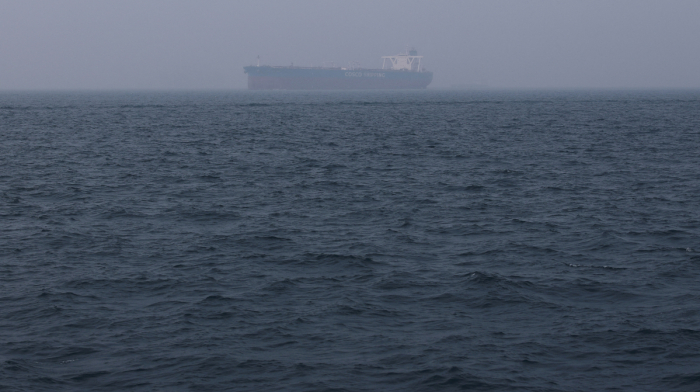
The United States is expected to deploy six additional aerial refuelling aircraft to Israel as Washington continues to strengthen its military presence in the Middle East while nuclear negotiations with Iran remain under way.
Former U.S. Secretary of State Hillary Clinton said on Thursday (26 February) that she had no information about the criminal activities of Jeffrey Epstein and urged lawmakers to question President Donald Trump under oath about the disgraced financier.
Denmark will hold a parliamentary election on 24 March, Prime Minister Mette Frederiksen announced on Thursday (26 February), as she seeks to capitalise on a surge in support for her defiant stance against U.S. pressure over Greenland.
You can download the AnewZ application from Play Store and the App Store.
What is your opinion on this topic?
Leave the first comment