Here's your AnewZ Daily Brief for 29 October 2026, exploring five global flashpoints where diplomatic efforts are colliding with growing military threats, from renewed hopes for peace in the Middle East and Ukraine to warnings of wider instability in Africa and Asia.
Iran dismisses Qatar's latest peace proposal
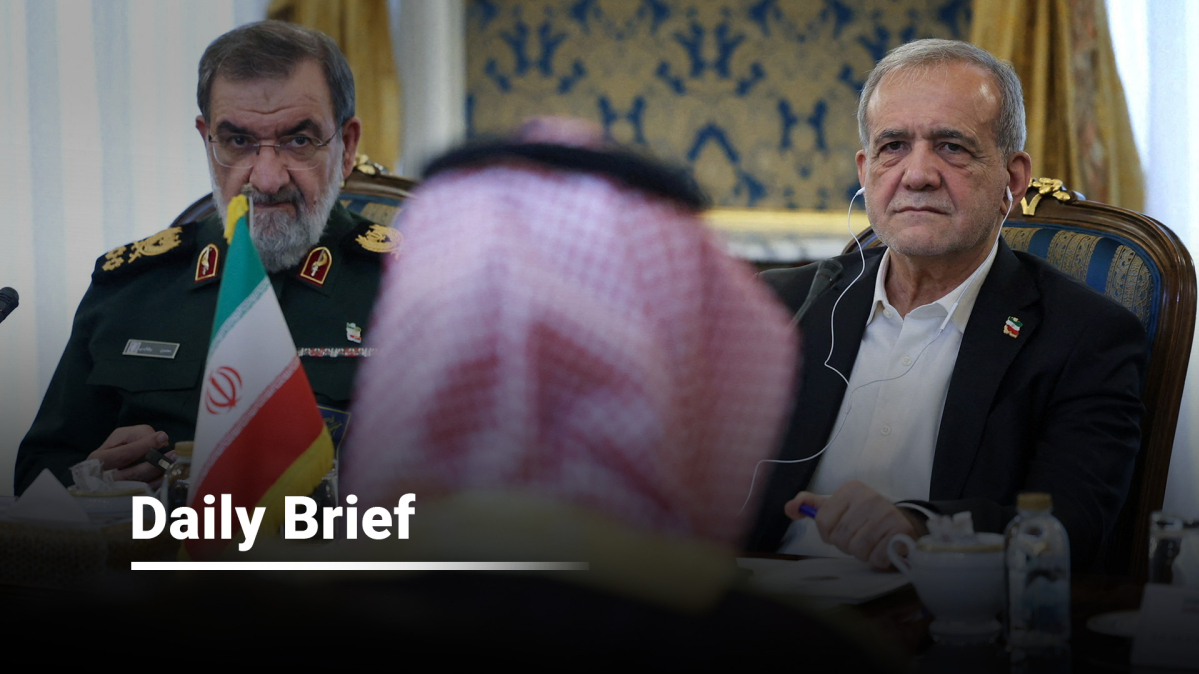
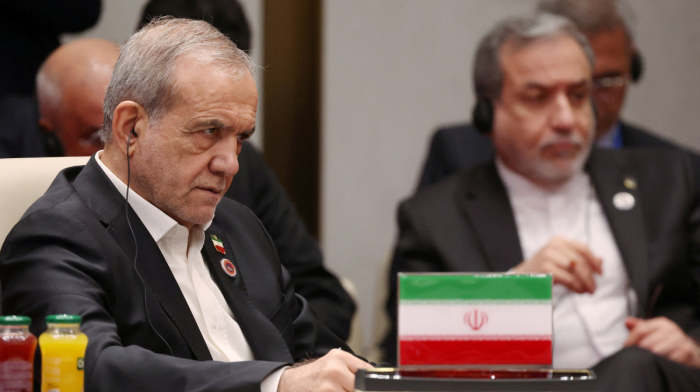
Iran has rejected a plan presented by Qatar to end its war with the U.S. and Israel, with a senior Iranian official telling Reuters it was unacceptable and did not constitute a formal offer.
An official briefed on the negotiations said Qatari mediators had presented a draft agreement outlining seven days of confidence-building measures, potentially backed by international guarantors.
The two sides remain divided over the sequence of concessions. Washington wants Iran's nuclear programme addressed from the outset, while Tehran demands an end to the U.S. naval blockade and sanctions on its oil exports before negotiations advance, per a Reuters report.
Despite the disagreement, Iranian Foreign Minister Abbas Araghchi said Tehran remained in contact with mediators to pursue a diplomatic solution.
Trump signals possible Putin-Zelenskyy meeting
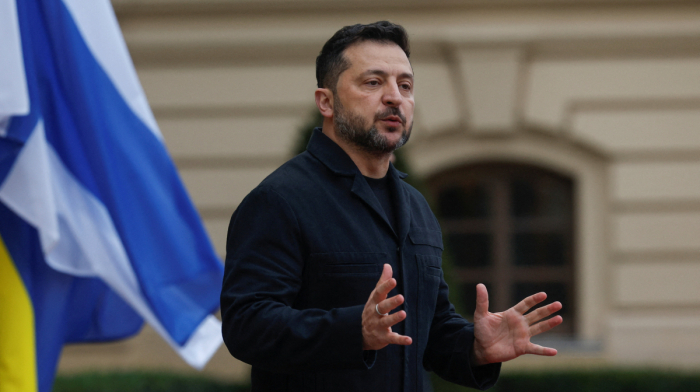
U.S. President Donald Trump says Russian President Vladimir Putin and Ukrainian President Volodymyr Zelenskyy could meet soon, raising the possibility of direct negotiations over the war in Ukraine.
Speaking aboard Air Force One, Trump said the two leaders would meet but provided no date, venue or format.
Moscow and Kyiv have previously participated in three rounds of U.S.-mediated negotiations in Abu Dhabi and Geneva. A meeting between Putin and Zelenskyy would represent a significant diplomatic development, although neither side has confirmed arrangements.
UN warns foreign arms are fuelling Sudan's war
Foreign weapons, military technology and fighters are intensifying Sudan's civil war, according to UN investigators, who have called for stronger international action to restrict the flow of arms.
The UN fact-finding mission identified networks involving individuals and entities in Chad, southeast Libya, Somalia's Puntland region and the United Arab Emirates. Investigators stressed that their findings did not establish responsibility by those governments.
The mission called for an expanded arms embargo as fighting continues and civilian suffering deepens.
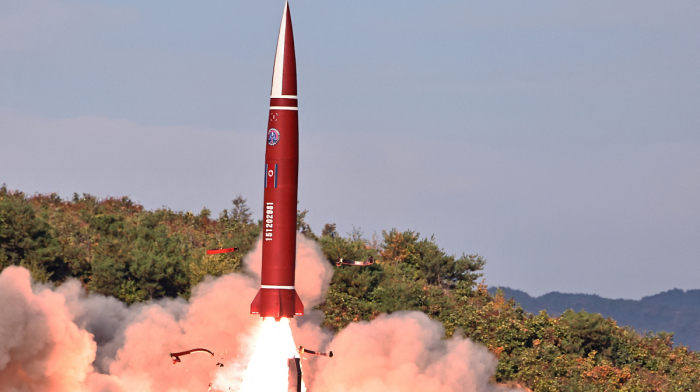
U.S. and allies press North Korea over nuclear weapons
The U.S., European Union and several allied governments have renewed calls for North Korea to abandon its nuclear weapons and ballistic missile programmes.
In a joint statement, the countries reaffirmed their commitment to complete, verifiable and irreversible denuclearisation and urged UN members to enforce existing sanctions.
Recent restrictions have targeted overseas workers, suspected cyber operations and individuals linked to military cooperation between Pyongyang and Moscow.
The renewed diplomatic pressure reflects continuing concerns over North Korea's weapons capabilities and its growing defence relationship with Russia.
Taiwan warns of threat from 53 Chinese vessels
Taiwan has warned of an “obvious” regional security threat after identifying 53 Chinese navy and other official vessels operating across waters stretching from southern Japan to the Philippines.
According to Reuters, Taiwan's National Security Council Secretary-General Joseph Wu published a map showing 34 Chinese warships among the vessels, including the aircraft carrier Liaoning. The carrier group was positioned east of the Philippines, while other formations operated near Taiwan and Japan. Wu warned that the deployments posed a simultaneous threat to all three.
China has described the Liaoning's activities as routine training, while Taiwan's Defence Minister Wellington Koo warned against military actions that could undermine regional stability.
Beijing claims Taiwan as its territory and has never ruled out using force to bring the island under its control. Taiwan rejects China's sovereignty claim, maintaining that only its people can decide the island's future.















What is your opinion on this topic?
Leave the first comment