Iran has rejected UAE allegations that it fired two ballistic missiles towards the Gulf state, as tensions rise over military activity, trade and the Strait of Hormuz.
Tehran rejects UAE allegations
Iranian Foreign Ministry spokesman Esmaeil Baghaei categorically rejected as a “baseless allegation” a statement by the United Arab Emirates that Iran had fired two ballistic missiles towards the oil-rich Gulf Arab state.
“Expressing regret over the accusations against Iran, he described such behavior as contrary to the principle of good neighborliness and detrimental to ongoing efforts to strengthen trust among the countries of the region and prevent the escalation of insecurity in the region,” according to a ministry statement on Wednesday.
“Given the existing complexities resulting from the continued mischief of the United States and the Zionist regime against regional peace and security - particularly their record of numerous false-flag operations,” the spokesman called on all regional parties to refrain from making “baseless accusations” against Iran.
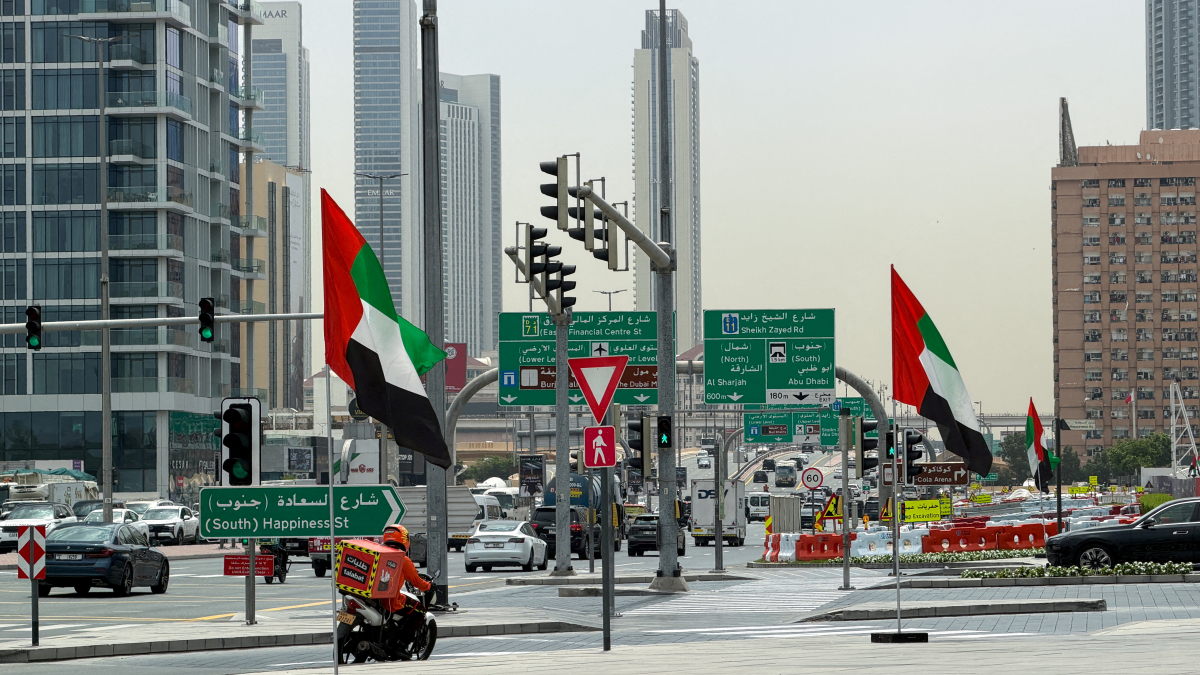
The UAE Ministry of Defence said on Tuesday that its air defence systems had detected two ballistic missiles fired from Iran that landed in its territorial waters.
BRICS meeting sees Iran-UAE clash
Meanwhile, a BRICS meeting of environment ministers in New Delhi became the scene of a verbal clash between Iran and the United Arab Emirates, WANA news agency reported.
Arman Khorsand, head of the International Centre of Iran’s Department of Environment, issued an official statement in response to the Emirati minister’s claims, firmly rejecting allegations of Iranian attacks on the country’s economic and civilian infrastructure.
He emphasised that Iran has “only targeted the source of threats against its own people” and made clear that Tehran has refrained from any attacks on civilian infrastructure or ordinary citizens of its neighbours.
The UAE’s Ministry of Foreign Affairs said on Wednesday that Abu Dhabi had suspended all trade exchanges and commercial transactions with Tehran until further notice.
Iran warns Gulf countries over U.S. military
In a further escalation, General Ali Abdullahi, chief of staff of Iran’s armed forces, issued a warning to countries on the southern side of the Persian Gulf that have said they would not allow the U.S. to use their territory for operations against Iran.
Saying it seemed unlikely that a large number of military aircraft, especially airborne tankers, would be stationed in regional countries without their knowledge, the Iranian general added: “We warn that any assistance or facilitation to the aggressive U.S. military is tantamount to collaboration with U.S. forces.”
Strait of Hormuz remains flashpoint
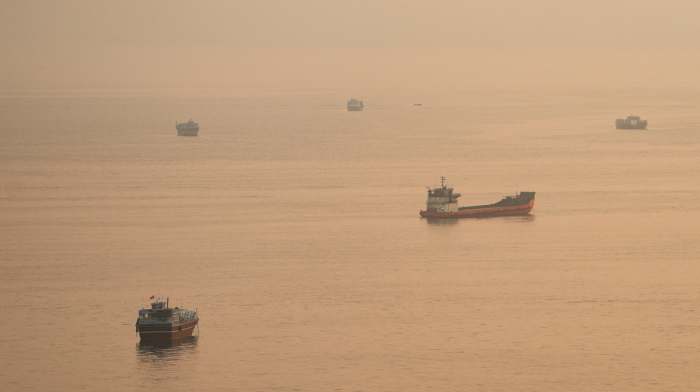
Earlier, Parliament Speaker Mohammad-Bagher Ghalibaf, who led Iran’s delegation at U.S.-Iran ceasefire talks mediated by Pakistan, told MPs that the Strait of Hormuz would remain closed unless Washington unfroze Iran’s blocked assets and lifted its oil embargo in line with the interim peace deal, which expired on Monday.
In a sharply worded message on X, he also ruled out concessions under U.S. pressure, criticising recent remarks by U.S. Treasury Secretary Scott Bessent and Secretary of War Pete Hegseth about forcing Iran to accept Washington’s conditions.
“Americans think that by putting more pressure on Iran, they can extract concessions that were never part of the Islamabad understanding.”
Tehran signals possible change in strategy
His remarks come amid statements from Iranian civilian and military officials saying Tehran could shift from a defensive strategy to an offensive posture if the naval blockade of its southern ports in the Persian Gulf and Gulf of Oman is not lifted.
Read more














What is your opinion on this topic?
Leave the first comment