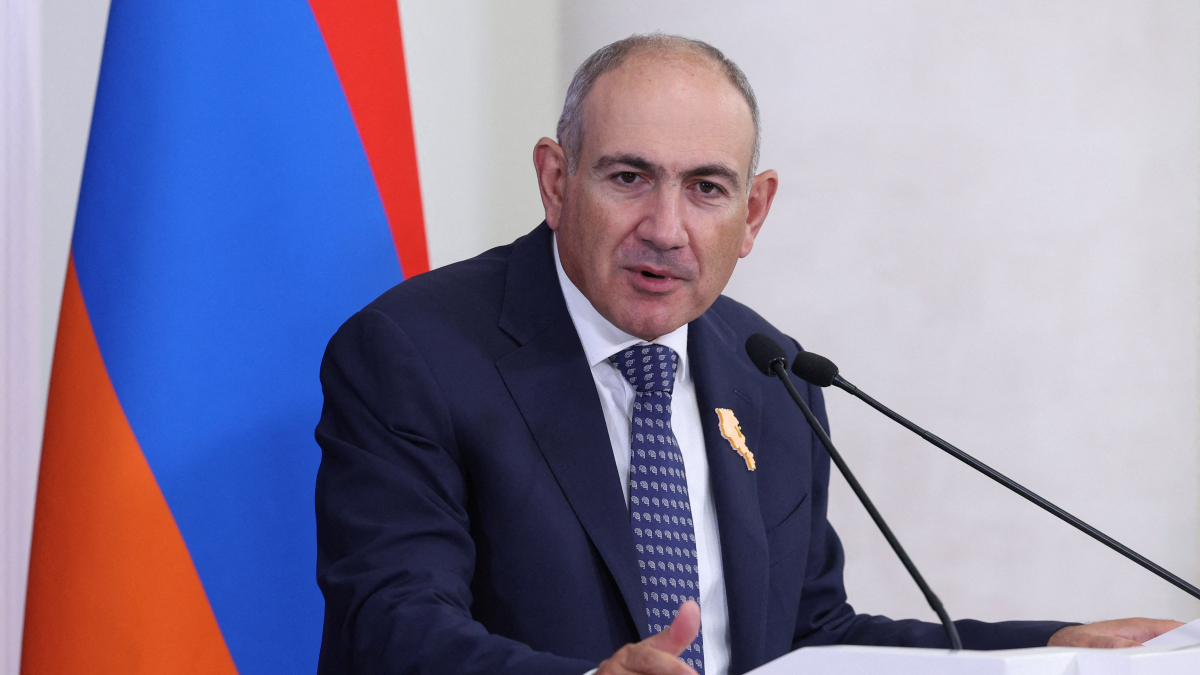
Armenian Prime Minister Nikol Pashinyan said Armenia was abandoning the Garabagh movement and needed to sign a peace agreement with Azerbaijan to make peace irreversible, speaking during parliamentary questions on 18 November.
Armenian Prime Minister Nikol Pashinyan said he must sign a peace agreement with Azerbaijani President Ilham Aliyev to make peace between the two countries irreversible. He made the remarks while defending his government’s policy in a heated question session in the National Assembly on 18 November.
Peace agreement with Azerbaijan
Pashinyan rejected opposition descriptions of the deal as “Aliyev’s peace”. He said the agreement was bilateral and could only be signed by the leaders of the two countries that had been in conflict.
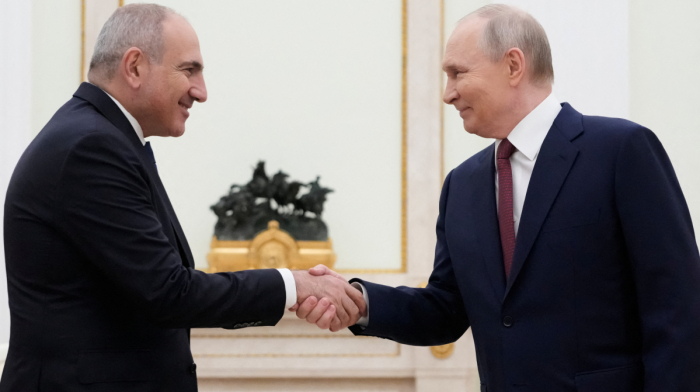
“I have to sign a document with Aliyev. I’ve already signed one. I have to sign another one to make peace irreversible,” he said, referring to the Washington Declaration.
He said there was no point negotiating with anyone else, “because the conflict was with Azerbaijan, and peace will be with Azerbaijan too”.
Abandoning the Garabagh movement
When an opposition Strong Armenia MP accused him of responsibility for soldiers killed in the war, Pashinyan said that as long as the Garabagh movement continued, young Armenians would keep dying under Turkish-made Bayraktar drones.
“I am saying that Armenia is abandoning the Garabagh movement,” he said.
“We have not conceded anything”
Pashinyan dismissed opposition claims that his government had made concessions to Baku. He said its policy was limited to Armenia’s internationally recognised territory.
“We have not conceded anything and will not concede anything,” he said. He pointed to the regulation on the joint work of the two countries’ border commissions, which parliament has ratified.
He said agreements reached earlier had been reaffirmed when he met Aliyev in Dublin on 12 November. Border commissions would now implement them, he said, including delimitation in the south needed for the TRIPP transit project’s railway, road and pipeline.
The railway, he said, must connect to Azerbaijan’s network, which is why technical details were being coordinated in a trilateral working group. On 7 November, Armenia, the U.S. and Azerbaijan agreed to launch the first technical planning groups on transport and electricity transmission.
Peace with neighbours first
Pashinyan said Armenia’s priority was peace with its immediate neighbours, Azerbaijan and Türkiye, and that his government would not be deterred by criticism for engaging with them.
“It takes no great talent to go and establish irreversible and lasting peace with, say, New Zealand,” he said.
A constitution to “serve peace”
Pashinyan said he was confident that an overwhelming majority of Armenians would back a new constitution in a referendum. He said the current constitution had been shaped by the conflict, while the new text was meant to serve peace and close “the chapter on conflicts”.
He rejected opposition claims that the change was being made at Azerbaijan’s request, saying his government had adopted the agenda eight years ago. He called the current constitution “a constitution of oligarchy”.
Azerbaijan has argued that Armenia’s constitution contains territorial claims through its reference to the Declaration of Independence, and has demanded constitutional changes before signing the peace agreement.
Pashinyan further said that Armenia and Azerbaijan needed common rules for rivers that cross their shared border, comparing this with Armenia’s existing cooperation with Türkiye on the Akhuryan Reservoir. Working groups on the issue were being formed but had not yet met, he said.
Read more:










What is your opinion on this topic?
Leave the first comment