Azerbaijan and Germany have pledged to strengthen cooperation on energy security, trade and regional connectivity following high-level talks in Baku, with Berlin highlighting Azerbaijan's growing importance as an alternative gas supplier to Europe.
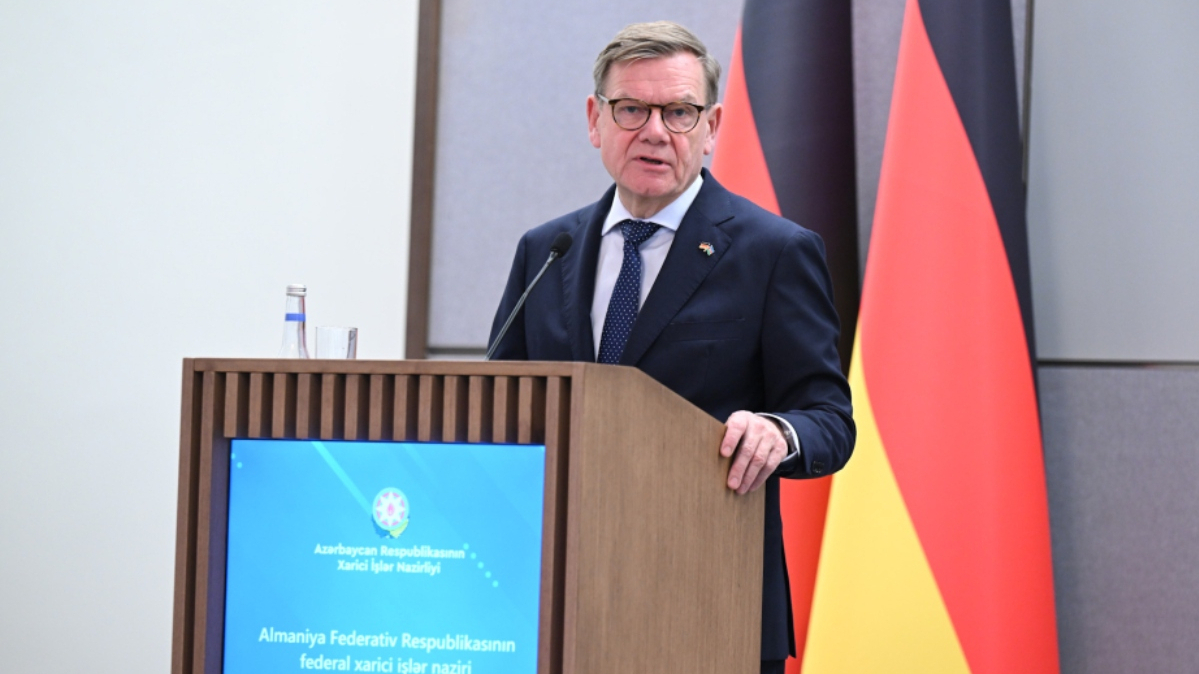
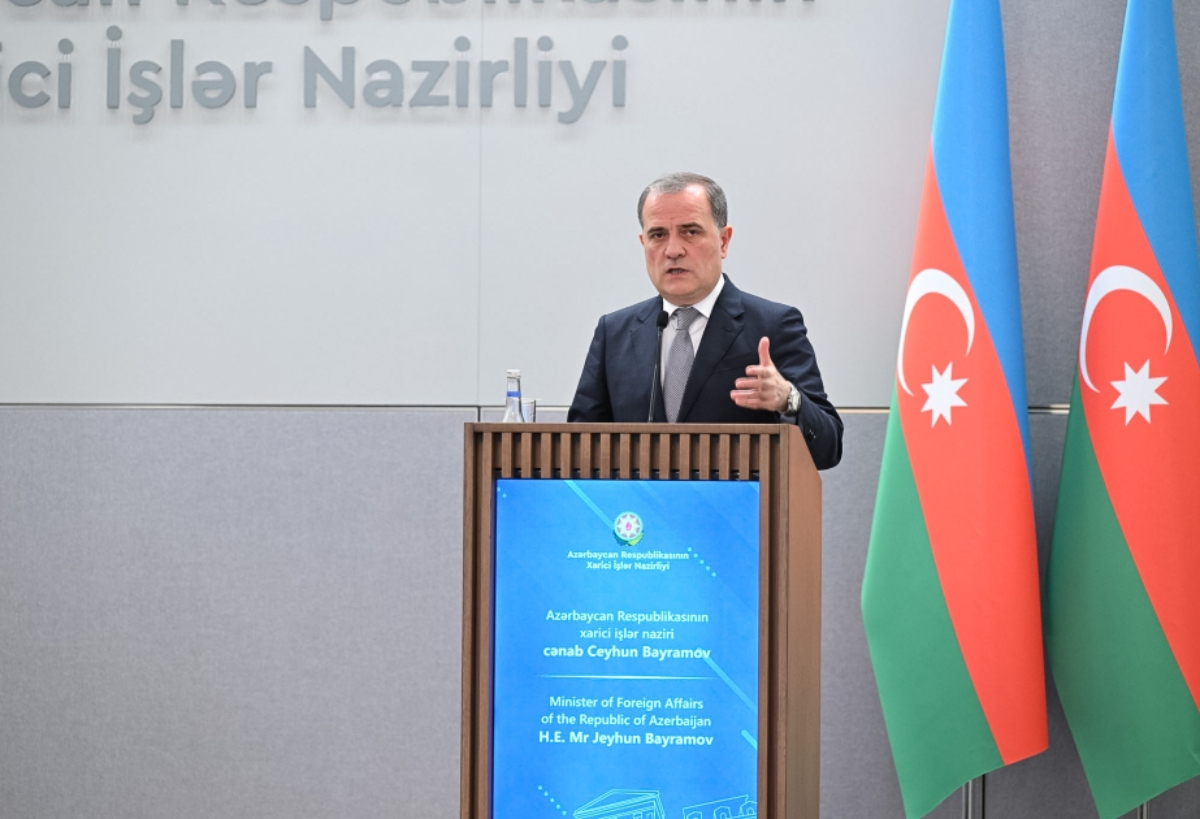
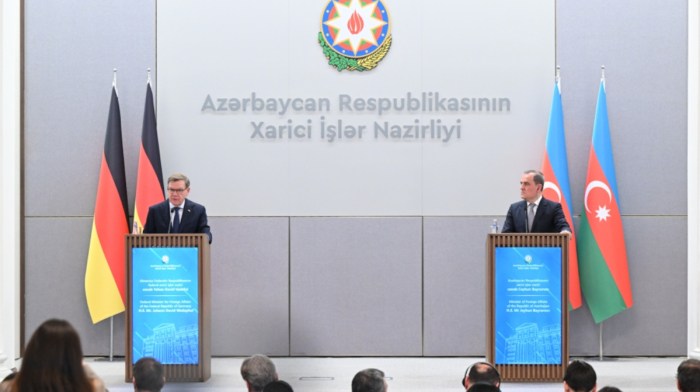
Azerbaijani Foreign Minister Jeyhun Bayramov and his German counterpart Johann David Wadephul discussed bilateral relations, energy diversification and transport infrastructure during expanded negotiations and a joint press conference.
The talks also focused on advancing a peace agreement between Azerbaijan and Armenia, with Germany pledging continued diplomatic support for the process.
Azerbaijan expands its role in Europe's energy security
Energy cooperation was a central focus of the discussions as European countries continue seeking alternatives to Russian natural gas amid the war in Ukraine.
Wadephul described Azerbaijan as a reliable energy partner and emphasised the importance of diversifying Europe's supply sources.
“At a time when Russia's brutal war of aggression against Ukraine continues to endanger Europe's economic and energy supply situation, we must constantly seek diversification, find new sources, and deepen ties with states that have proven to be reliable partners. Azerbaijan stands at the very forefront of this,” he said.
Bayramov announced that Azerbaijan had begun supplying natural gas to Germany in 2026, expanding its network of international energy customers.
According to the Azerbaijani foreign minister, the country now supplies pipeline gas to 16 countries, including 10 European Union member states.
The development marks a further expansion of Azerbaijan's energy partnership with Europe, where diversification of gas imports remains an important priority.
Germany supports Azerbaijan–Armenia peace process
Regional security and the prospects for a comprehensive peace agreement between Azerbaijan and Armenia were also discussed.
Wadephul welcomed Azerbaijan's stated readiness to conclude a peace treaty and said he would raise the remaining issues during his visit to Armenia on Thursday.
The German foreign minister expressed hope that the final steps towards an agreement could be completed, highlighting the importance of a lasting settlement for regional stability.
Berlin's diplomatic engagement comes as Azerbaijan and Armenia continue efforts to normalise relations following decades of conflict.
A peace agreement could also create opportunities for stronger regional economic cooperation and improved transport connectivity between Europe and Asia.
Middle Corridor and transport infrastructure
The ministers discussed expanding regional transport links, particularly through the Middle Corridor, which connects Europe and Asia via Central Asia, the Caspian Sea and the South Caucasus.
Bayramov provided updates on Azerbaijan's infrastructure projects, including road and railway connections towards the Armenian border.
He said highway construction was nearing completion, while the railway extending to the border was progressing rapidly and was expected to be finished in early 2027.
The developments are linked to plans for a 42-kilometre transport corridor through Armenia, intended to improve regional connectivity and facilitate trade.
For European economies, the Middle Corridor provides an additional route for international freight transport and an opportunity to diversify supply chains.
Wider cooperation and support for Ukraine
The discussions also covered bilateral trade, European security and Azerbaijan's assistance to Ukraine.
Wadephul acknowledged Azerbaijan's humanitarian and energy support for Kyiv amid Russia's continuing war, highlighting its contribution to European energy resilience.
Both sides also explored opportunities to strengthen economic ties and develop cooperation in transport and logistics.
Germany's diplomatic engagement in Baku, followed by Wadephul's planned visit to Yerevan, reflects Berlin's broader efforts to strengthen its presence in the South Caucasus, support regional peace and expand reliable energy and transport connections with Europe.
Read more:








What is your opinion on this topic?
Leave the first comment