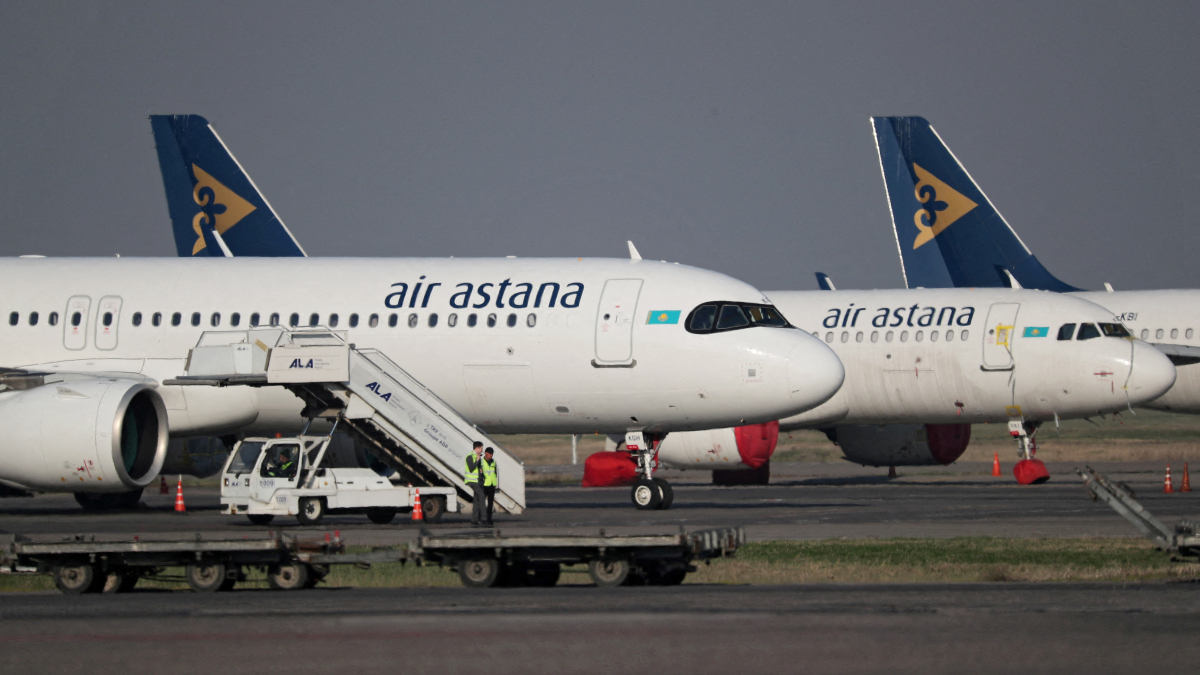
Air passenger traffic in Central Asia could nearly triple by 2045, compared with a projected doubling worldwide, according to Airbus. The aircraft maker expects population growth and an expanding middle class to drive demand across the region.
Airbus presented its Global Market Forecast at a briefing on the outlook for commercial aviation in Kazakhstan, Kyrgyzstan, Tajikistan, Turkmenistan and Uzbekistan. Over the next two decades, the company expects global air traffic to rise from about 10 trillion to 21 trillion passenger-kilometres, a measure that takes into account both the number of passengers and the distance they fly. The forecast puts Central Asia among the regions where traffic is expected to grow fastest.
Airbus expects Central Asia to have 23 million more residents by 2045 and its middle class to exceed 80 million. With the regional economy forecast to grow by an average of 3.8 per cent a year, rising incomes and business activity are expected to support demand for air travel, including business trips and international tourism.
Europe and the countries of the Commonwealth of Independent States are expected to remain the main markets for passenger traffic. Airbus also expects more travel between the five Central Asian countries, as well as growth on routes linking the region to the Middle East and other parts of Asia.
Central Asia’s position between Europe and Asia could also help it attract more transit traffic. Airspace closures and other geopolitical restrictions have prompted airlines to rethink routes between the two continents. Airbus says alternative routes through Central Asia are increasingly in demand, giving the region scope to handle more passenger and cargo traffic.
Airbus projects that Central Asia’s freighter fleet will grow from 160 to 450 aircraft by 2045. International trade and e-commerce support demand for fast delivery, particularly for high-value goods. Air freight also gives businesses another way to keep shipments moving when geopolitical instability or climate-related events disrupt maritime transport.
Read more from Central Asia:
















What is your opinion on this topic?
Leave the first comment