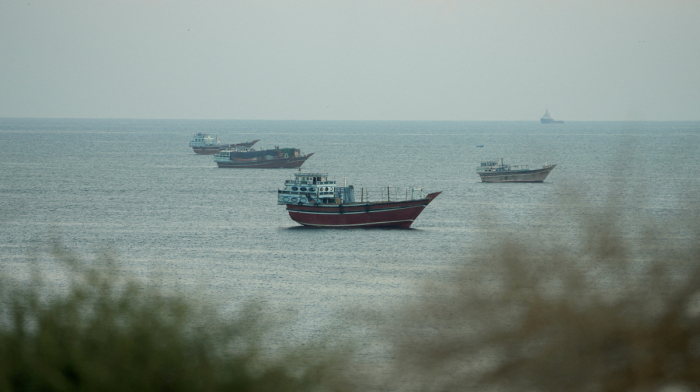
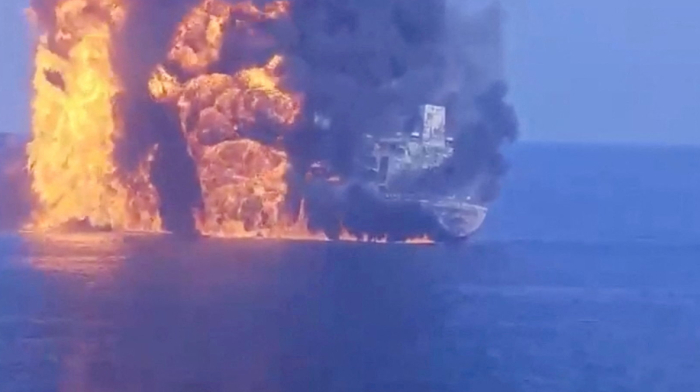
Iran, U.S. resume tit-for-tat strikes in Strait of Hormuz
Tensions between Tehran and Washington have escalated following a fresh exchange of attacks in the Strait of Hormuz, with hostilities spilling over...
Türkiye wants to share its defence industry model and expanding military production capacity with NATO allies, a senior Turkish official said on Tuesday.
Haluk Görgün, head of Türkiye’s Defence Industry Agency, made the remarks at the opening of EDGE 26, NATO’s largest technology and industry gathering, in the Turkish city of İzmir.
The three-day event, which concludes on Thursday, brings together military officials, policymakers, defence contractors and technology developers to explore ways to strengthen NATO’s technological capabilities and operational readiness.
The gathering comes as NATO seeks to expand defence production, strengthen military supply chains and accelerate the adoption of emerging technologies.
Görgün called for closer cooperation among allies in the development, production and procurement of military equipment, urging them to reduce the time it takes to move new technologies from development into operational use.
He cited NATO chief Mark Rutte’s earlier description of Türkiye’s defence industry as a “model of effective coordination” during an alliance summit hosted in Ankara in July.
According to the Turkish Defence Ministry, 284 technology companies, including 30 Turkish firms, are taking part in the event, which Türkiye is hosting for the first time.
Organised by NATO’s Communications and Information Agency, EDGE 26 gives defence companies direct access to alliance decision-makers and procurement officials.
Over the past two decades, Türkiye, a NATO member since 1952, has invested heavily in its domestic defence sector to reduce reliance on foreign suppliers.
That investment has helped establish the country as a major manufacturer of combat drones, armoured vehicles, naval platforms, missile systems and electronic-warfare technology.
According to Görgün, Türkiye’s defence and aerospace exports reached $10.1 billion last year, with NATO allies accounting for 56 per cent of the total.
The war between Russia and Ukraine has exposed gaps in Western military production capacity, pushing NATO governments to boost defence spending and look for alternative suppliers.
Ankara is seeking to capitalise on that demand, positioning Türkiye as both a key NATO ally and a competitive defence manufacturing hub.
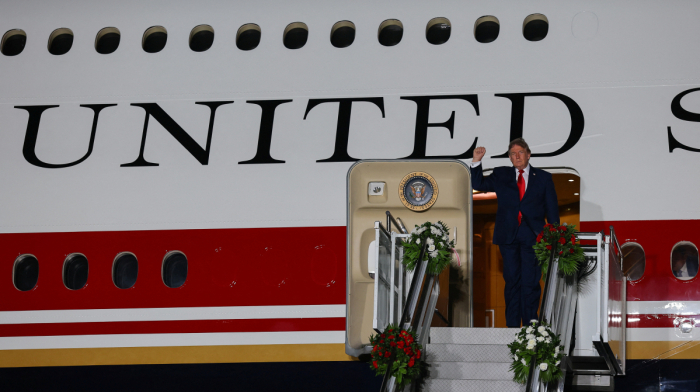
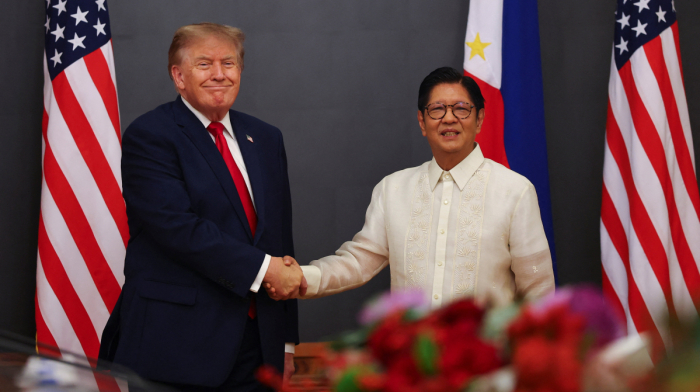
U.S. President Donald Trump has arrived in Manila, Philippines, for the 49th ASEAN Summit, with trade, regional security and tensions with China dominating discussions among world leaders.
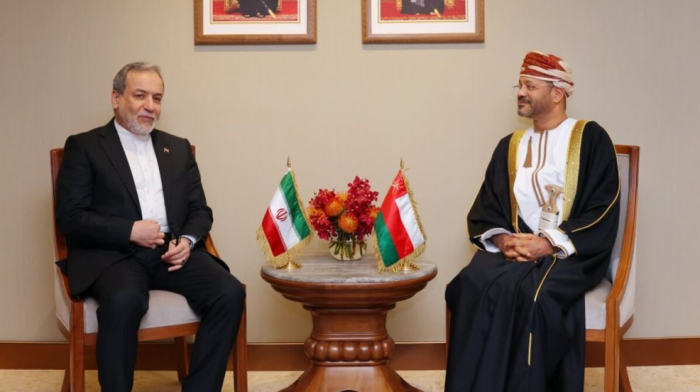
Oman and Iran are held talks on protecting maritime routes, maintaining the flow of international shipping and trade, and reviving diplomatic efforts to prevent further escalation, according to Oman's foreign ministry.
U.S. President Donald Trump concluded his visit to the Philippines on Wednesday, 18 November, after holding bilateral talks with President Ferdinand Marcos Jr. in Manila. Trump had attended the ASEAN Summit gala as guest of honour the previous evening before departing for China.
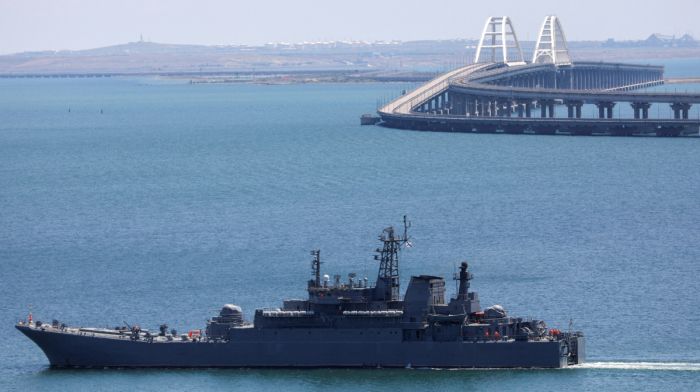
Ukraine struck the strategic Crimea Bridge for a second consecutive day on Tuesday, 17 November, killing two people and damaging the structure, according to Russian officials, as Moscow launched attacks on Kyiv and energy infrastructure that left parts of eight Ukrainian regions without power.
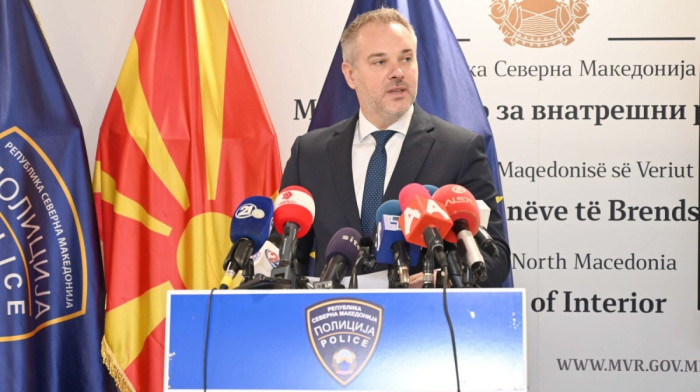
North Macedonia’s intelligence service says it foiled an alleged Iran-linked assassination plot targeting an individual in neighbouring Greece, exposing a network of suspected Iranian operatives.
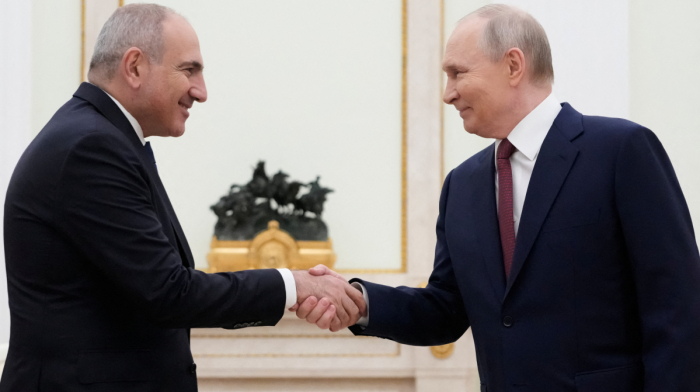
Armenia could take Russia to the Eurasian Economic Union (EAEU) Court over restrictions on its exports, Economy Minister Gevorg Papoyan said on Wednesday (18 November).
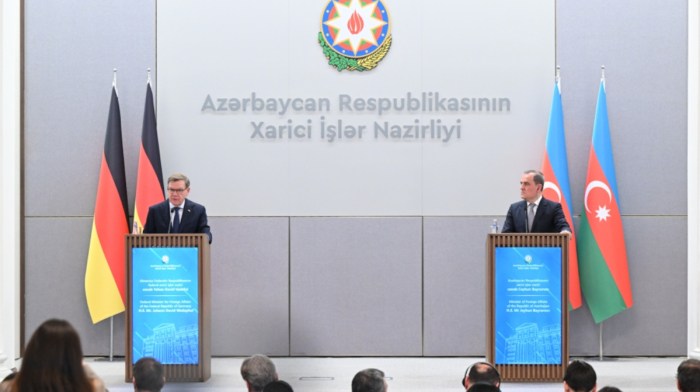
Azerbaijan and Germany have pledged to strengthen cooperation on energy security, trade and regional connectivity following high-level talks in Baku, with Berlin highlighting Azerbaijan's growing importance as an alternative gas supplier to Europe.
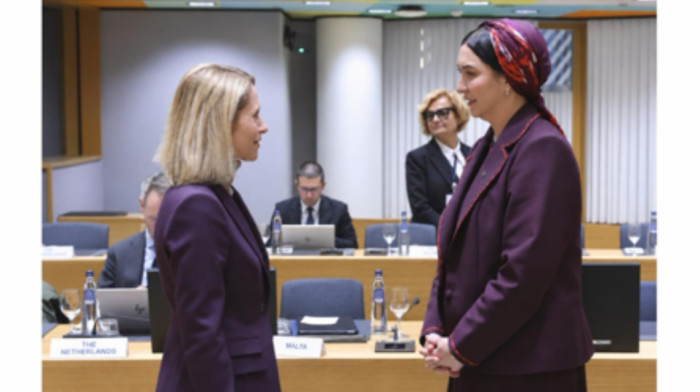
Turkmenistan and the European Union have reaffirmed their interest in strengthening political dialogue and expanding cooperation across several areas following high-level talks in Brussels.
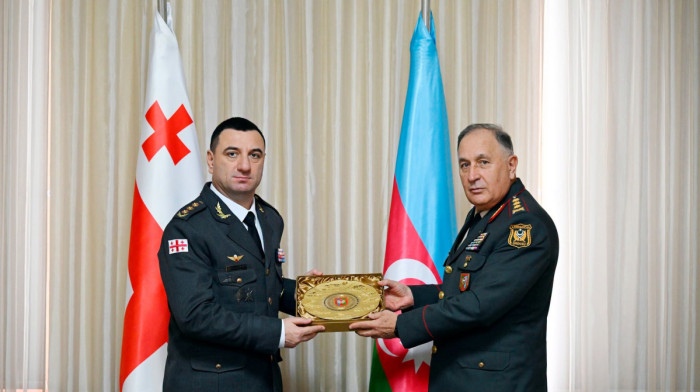
Georgia and Azerbaijan are deepening defence ties to strengthen security along vital transport and energy corridors linking Europe and Asia, as both countries seek to expand their strategic and economic influence in the region.
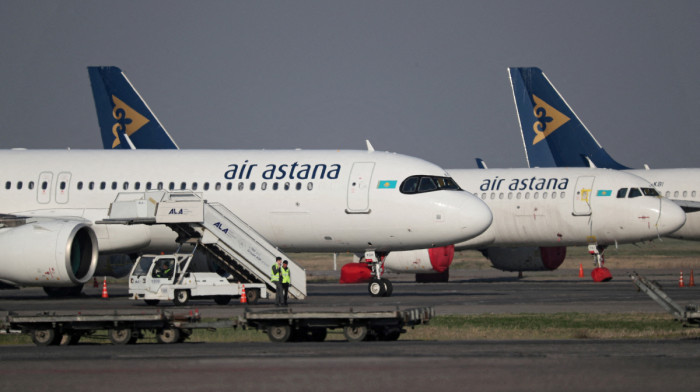
Air passenger traffic in Central Asia could nearly triple by 2045, compared with a projected doubling worldwide, according to Airbus. The aircraft maker expects population growth and an expanding middle class to drive demand across the region.
You can download the AnewZ application from Play Store and the App Store.
What is your opinion on this topic?
Leave the first comment