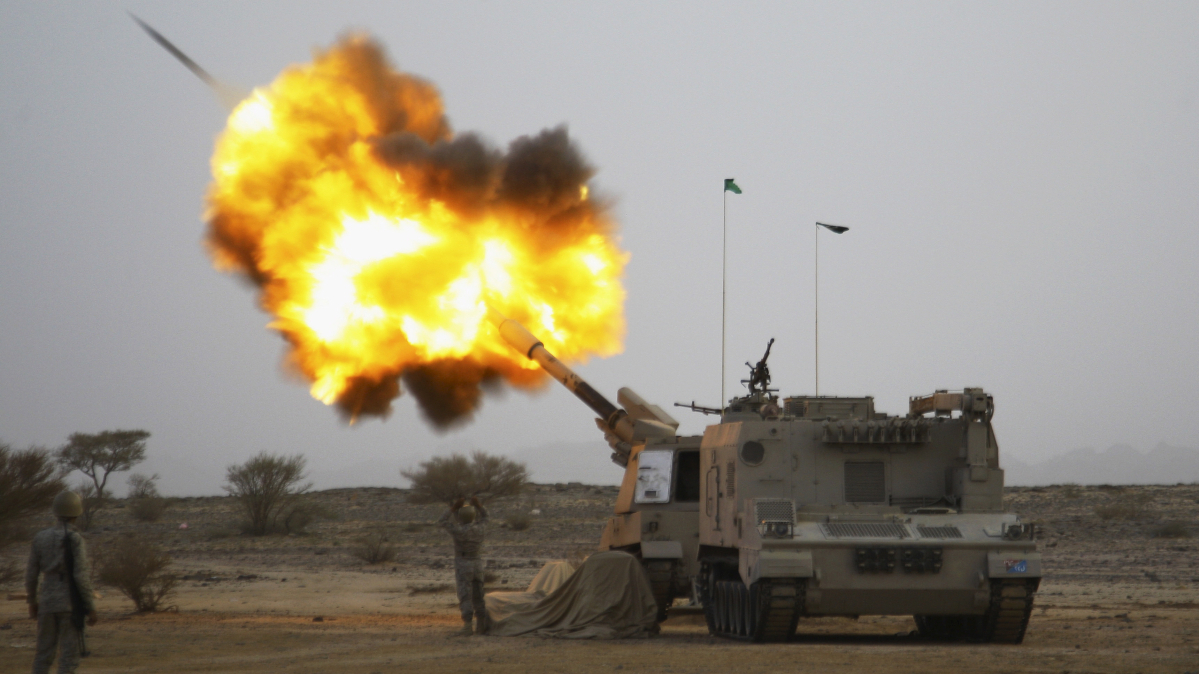
Saudi Arabia is preparing for up to six more months of fighting against Yemen’s Houthis, seeking battlefield gains before entering peace talks as attacks on the kingdom disrupt daily life, according to officials familiar with Riyadh’s plans.
Saudi Arabia expects its military campaign against Yemen’s Houthis to continue for months, despite setbacks on the battlefield and attacks at home, according to two Western officials briefed by Saudi counterparts.
The officials, who spoke on condition of anonymity because the discussions were private, said Saudi officials believe the campaign could last another six months. Riyadh wants its Yemeni allies to secure territorial gains before entering negotiations with the Houthis, they said.
A third source familiar with Saudi thinking corroborated their accounts. All three said an agreement to end the wider conflict involving Iran could also help bring the fighting in Yemen to an end.
A Saudi Foreign Ministry official declined to comment on the views attributed to Saudi officials.
Hopes pinned on U.S. support
The third source said Riyadh believes U.S. offensive military support could turn the conflict in its favour, potentially allowing Saudi-backed forces to make significant battlefield gains within weeks.
However, U.S. President Donald Trump’s administration has so far withheld that support.
The renewed fighting in Yemen has become the most active front in the wider conflict involving Iran. Thousands have been killed or wounded, while hundreds of thousands have been forced from their homes.
The conflict has also dealt a blow to Saudi Arabia’s ambitions to attract investment beyond oil and establish itself as a host of major international events.
Losing ground
Saudi Arabia first intervened in Yemen in 2015, leading an Arab coalition seeking to restore the government after Houthi forces seized the capital, Sanaa, and large parts of the country.
The war eventually descended into a bloody stalemate, with a ceasefire agreed in 2022 largely holding until fighting resumed this summer.
Since then, the Houthis have seized control of the Red Sea coast and the strategic Bab el-Mandeb strait from Saudi-backed forces. They have also encircled the highland city of Taiz, which overlooks Aden, the government’s temporary capital on Yemen’s southern coast.
Yemeni government forces launched a counter-offensive last month, recapturing territory around the strait. However, they suffered a major setback over the weekend when they were forced to withdraw to defend Aden.
Saudi and Yemeni forces regroup
According to one Western official, Saudi and Yemeni forces are regrouping in an effort to prevent further Houthi advances towards Aden.
Military planners are also considering shifting their offensive eastwards, where their forces have made limited gains or managed to hold their positions.
On Monday, Saudi Arabia announced the replacement of the commander of the Saudi-led coalition.
Two people familiar with the Yemeni government’s plans said a broader reshuffle of its military leadership was also expected.
War comes home
Riyadh had previously sought to portray the renewed conflict as primarily a Yemeni war, with the kingdom supporting local allies and defending itself against cross-border attacks rather than acting as a direct participant.
But that position has become increasingly difficult to sustain as repeated Houthi strikes hit major Saudi cities.
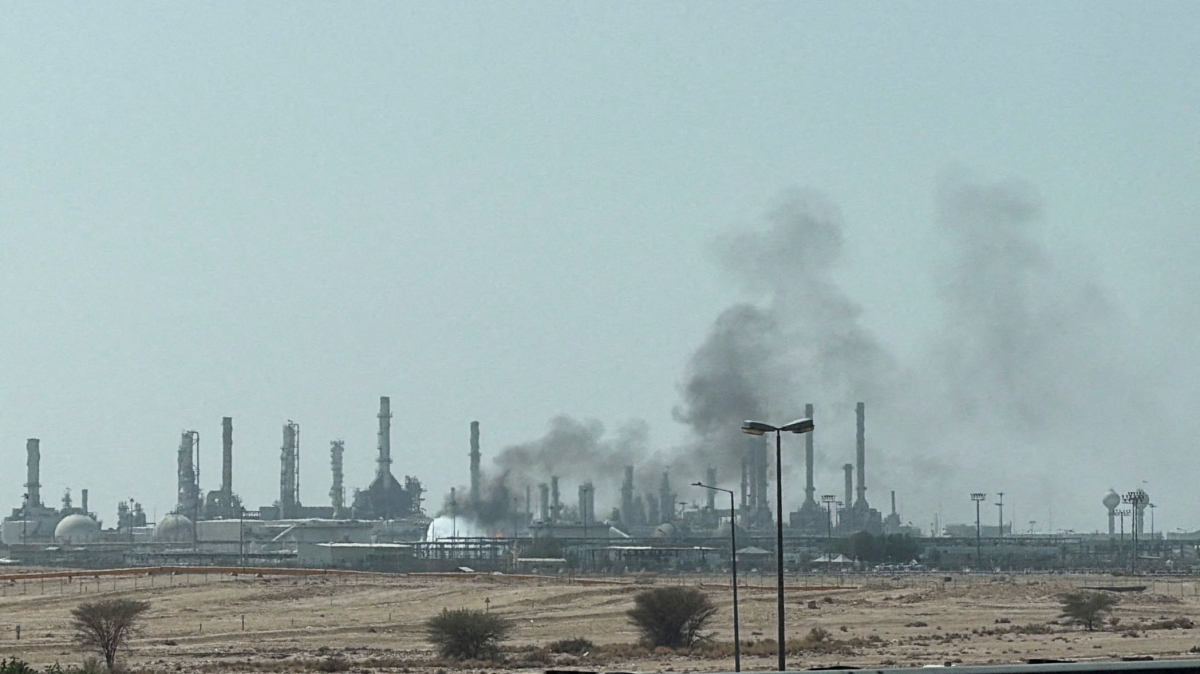
Last week, an attack blasted a large hole in the Riyadh headquarters of Saudi state oil giant Aramco.
Meanwhile, deadly strikes targeting Riyadh’s airport have left it closed to most flights since October.
The attacks have also forced Saudi Arabia to cancel or postpone high-profile international events, including its flagship Future Investment Initiative (FII) conference.
The AFC Asian Cup, a key part of the kingdom’s push to become a global sporting destination, has been rescheduled from January to December 2027.
A shift in public messaging
As the conflict increasingly affects life inside the kingdom, Saudi authorities have begun addressing the war more openly, both in state media and in mosques.
Since last month, authorities have issued regular advance warnings of attacks, followed by more detailed public updates. Previously, official information was limited.
Although laws banning the sharing of images of attack sites remain in place, officials have become more willing to acknowledge the damage publicly.
Two days after the Aramco tower was hit, Riyadh’s deputy governor visited the site, while state media aired footage showing the destruction.
The government, which sets the themes for Friday sermons, has also made the conflict a focus of religious messaging.
Rather than addressing familiar topics such as marriage or good neighbourliness, some sermons have turned directly to the war.
At one of Riyadh’s larger mosques last Friday, the entire sermon focused on the fighting against the Houthis.
The imam promised fighters “victory or martyrdom” and prayed for Saudi troops stationed along the kingdom’s southern border.
“Oh Allah, guide their aim and steady their feet, and grant them victory over those who show them hostility,” he said.
Read more:













What is your opinion on this topic?
Leave the first comment