The U.S. and Iran have reportedly agreed an outline deal to extend their fragile ceasefire for 60 days, although the agreement still requires President Donald Trump’s approval and previous breakthroughs have failed to hold.
Fragile breakthrough
According to a source familiar with the talks, Washington and Tehran reached a memorandum of understanding on Thursday to prolong the truce while negotiations continue over Iran’s nuclear programme.
The development was first reported by Axios, which said talks on Tehran’s nuclear activities would take place during the proposed 60-day period.
However, the agreement is not yet finalised and uncertainty remains over whether it will survive political and military tensions that have repeatedly threatened earlier ceasefire efforts.
Oil prices fell following the reports amid hopes that the Strait of Hormuz, a vital global shipping route, could eventually reopen more fully.
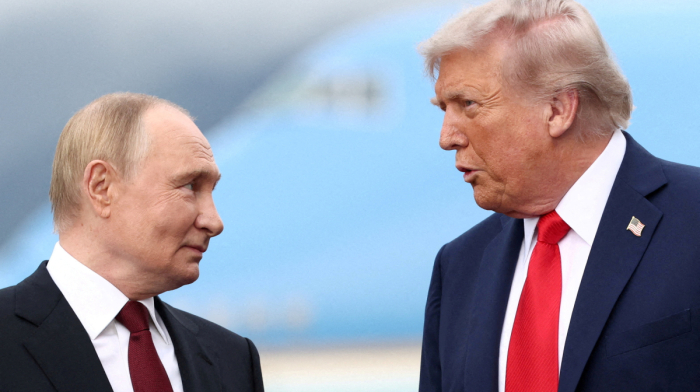
Trump has repeatedly said an end to the conflict is close, but on Wednesday told reporters he was not yet satisfied with negotiations and insisted the U.S. was not considering sanctions relief, one of Iran’s main demands.
Renewed violence raises tensions
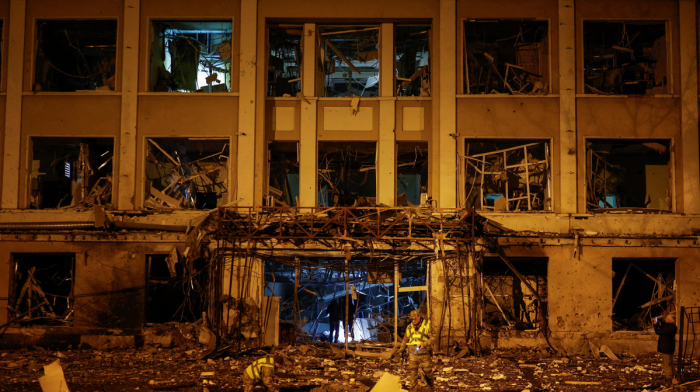
The latest diplomatic push came after Iran targeted a U.S. air base in Kuwait following U.S. strikes on what Washington described as an Iranian drone operation near Bandar Abbas.
U.S. Central Command said American forces shot down five Iranian attack drones and struck a ground control station preparing to launch another. Kuwaiti forces also intercepted a ballistic missile fired towards the country.
“These actions were measured, purely defensive and intended to maintain the ceasefire,” a U.S. official told Reuters.
Iran’s Islamic Revolutionary Guard Corps said it had targeted the U.S. base responsible for the earlier strike and warned that any further attacks would trigger a “more decisive response.”
Kuwait condemned the attack as a serious escalation.
The violence marked the second major flare-up this week, underlining the fragility of the early-April ceasefire that followed months of conflict involving Iran, Israel and the U.S.
Wider regional tensions
In Lebanon, Israel said it had launched strikes against Hezbollah infrastructure in Tyre and Beirut, while mediator Pakistan confirmed Foreign Minister Ishaq Dar would meet U.S. Secretary of State Marco Rubio in Washington on Friday.
Meanwhile, the U.S. warned Oman against supporting any system that could impose tolls in the Strait of Hormuz, threatening penalties against any partners involved.
Read More:













What is your opinion on this topic?
Leave the first comment