A federal judge has allowed the Trump administration to move forward with ending Temporary Protected Status (TPS) for thousands of Ethiopian nationals living in the United States, removing one of the last major legal obstacles to a broader effort to roll back humanitarian immigration protections.
The ruling affects more than 5,000 Ethiopians who have been permitted to live and work in the U.S. under TPS, a programme designed to shield foreign nationals from deportation when conditions in their home countries make a safe return difficult.
The decision by U.S. District Judge Brian Murphy comes after months of legal challenges and follows a landmark Supreme Court ruling earlier this year that expanded the administration's authority to terminate TPS designations.
Another victory for the administration's immigration agenda
The case centred on Ethiopia's TPS designation, which was introduced in 2022 during the Biden administration amid concerns over armed conflict, instability and humanitarian conditions in the East African country.
The Department of Homeland Security (DHS) announced last year that it intended to end those protections, arguing that circumstances in Ethiopia had improved sufficiently to allow people to return safely.
Murphy initially blocked the move in April, questioning the justification provided by the administration and raising concerns about whether proper procedures had been followed.
However, the legal landscape changed significantly after the U.S. Supreme Court ruled in June that federal courts have limited authority to interfere with DHS decisions regarding TPS. That ruling has since opened the door for the administration to end similar protections affecting migrants from several countries.
With the Supreme Court's guidance in place, Murphy concluded he could no longer prevent the termination from taking effect.
What TPS means
Temporary Protected Status is granted to nationals of countries experiencing war, natural disasters or other extraordinary crises.
The programme does not provide a path to permanent residency or citizenship, but it allows recipients to work legally in the United States and protects them from deportation while the designation remains active.
For many Ethiopian TPS holders, the status has provided stability during years of conflict and uncertainty in their homeland.
The end of the programme means affected individuals could eventually lose work authorisation and become vulnerable to removal unless they qualify for another immigration status.
Advocacy groups raise concerns
Immigration advocates criticised the ruling, arguing that conditions in Ethiopia remain fragile and that returning people to the country could place them at risk.
African Communities Together, one of the organisations involved in challenging the administration's decision, said the humanitarian concerns that justified the designation had not disappeared.
"The crisis in Ethiopia is still ongoing, and this decision puts the lives of thousands of Ethiopians living in the U.S. at severe risk," said Diana Konaté, the group's deputy executive director for policy and advocacy.
The plaintiffs in the case argued that the administration underestimated ongoing dangers in Ethiopia and claimed the termination was part of a broader pattern targeting deportation protections for non-white migrant populations.
Legal fight not entirely over
Although the judge dismissed several of the legal arguments presented by the challengers, he left the door open for further litigation on constitutional claims.
The lawsuit will continue on the question of whether the administration's decision was influenced by racial or national-origin bias, an allegation the plaintiffs maintain played a role in the effort to end protections.
For now, however, the immediate effect of the ruling is clear: Ethiopia's TPS designation can be terminated.
A senior DHS official welcomed the outcome. In a social media post, DHS General Counsel James Percival declared that all TPS terminations pursued by the administration were now in effect.
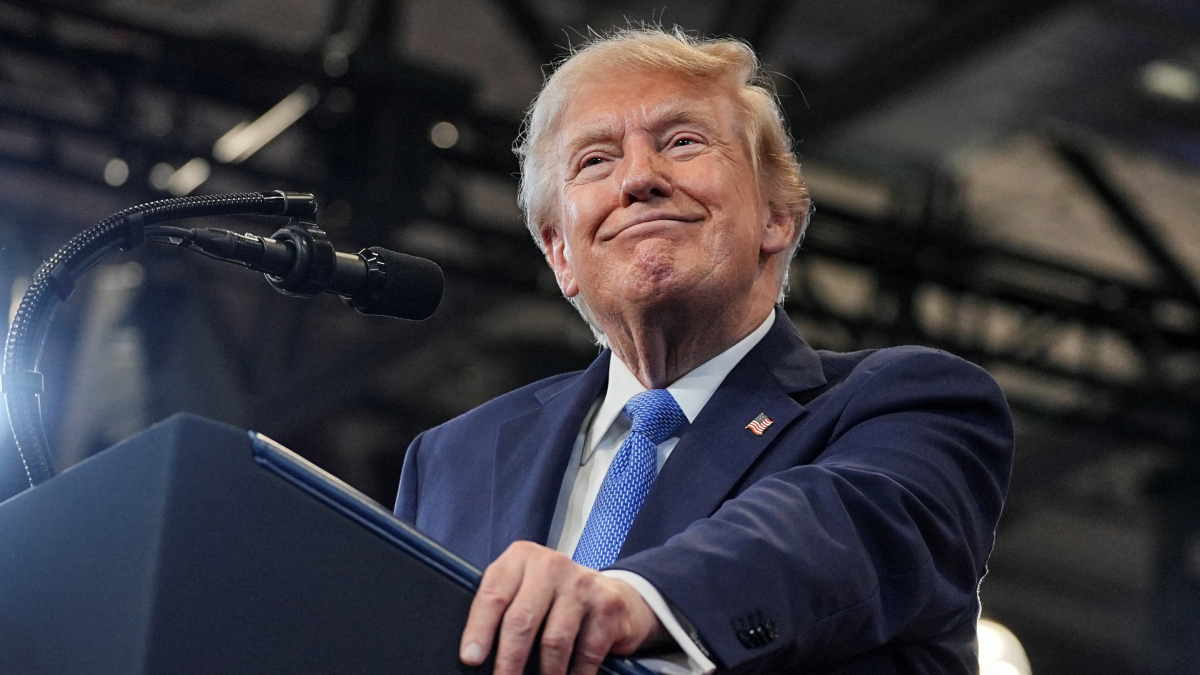
The decision marks another significant step in President Donald Trump's effort to reshape U.S. immigration policy and reduce the scope of humanitarian protections introduced by previous administrations.


















What is your opinion on this topic?
Leave the first comment