Mexico is escalating its response to the deaths of its citizens during U.S. immigration enforcement operations, with President Claudia Sheinbaum announcing plans to seek criminal investigations in the United States into cases involving Mexican nationals who died in detention or arrest operations.
The move marks one of the strongest challenges yet to U.S. immigration enforcement practices by the Mexican government.
It reflects growing tensions between the two neighbours as Washington continues a campaign of stricter border controls and mass deportations under President Donald Trump.
According to Mexican authorities, 14 Mexican nationals have died while in the custody of U.S. Immigration and Customs Enforcement (ICE), while three others were killed during enforcement operations carried out by the agency.
Speaking at her daily press briefing, Sheinbaum said her government had a responsibility to pursue justice for those who died and to ensure any potential criminal wrongdoing was investigated.
“We cannot turn a blind eye to the Mexicans who have died,” she said.
The president added that Mexico would seek accountability in cases where authorities believe homicides or human rights abuses may have occurred.
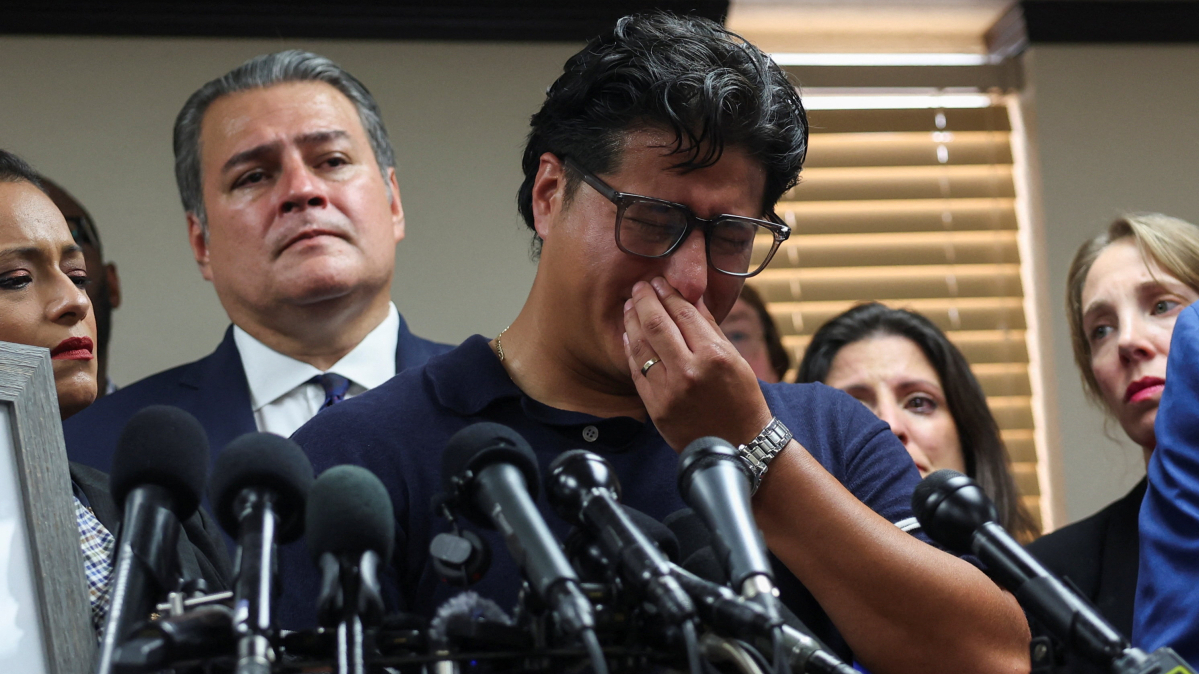
The issue drew renewed attention this week following the death of Lorenzo Salgado Araujo, a 52-year-old Mexican national who was fatally shot by an ICE agent during an operation in Houston on Tuesday.
The shooting triggered protests in the Texas city and added to concerns among migrant rights groups over the use of force in immigration operations. According to Mexican officials, at least six people have died during immigration enforcement actions since Trump returned to office in January 2025 and launched an expanded deportation campaign.
Sheinbaum said Mexico would continue assisting citizens abroad, particularly migrant workers living in the United States.
“Especially to Mexicans whose only crime is working honestly in the United States,” she said.
Foreign Minister Roberto Velasco said the government had decided to take legal action after repeated efforts through diplomatic channels failed to produce satisfactory results.
Rather than relying solely on government-to-government discussions, Mexico intends to submit cases directly to U.S. prosecutors and request criminal investigations into the incidents.
“We are going to move beyond the diplomatic sphere and go directly to U.S. prosecutors to file complaints regarding these incidents, requesting that they are investigated as criminal matters,” Velasco said.
He also said Mexico plans to pursue civil claims against private companies that operate immigration detention centres in the United States.
U.S. authorities rejected suggestions that detention conditions have worsened under the current administration.
In a statement, the Department of Homeland Security said there has been no increase in detainee death rates and maintained that those held in immigration custody receive due process protections, medical care, food, water and access to family members and legal representatives.
The Department of Justice did not immediately comment on Mexico's plans.
The dispute has added a new point of friction to an already complex U.S.-Mexico relationship, with migration, border security and deportation policies remaining among the most contentious issues facing both governments.
















What is your opinion on this topic?
Leave the first comment