Aliyev hails ‘unprecedented’ growth in Azerbaijan-Uzbekistan ties
Azerbaijan and Uzbekistan are strengthening their strategic alliance as trade, investment and transport links grow, President Ilham Aliyev said ahe...
Kazakhstan and Azerbaijan have begun laying a fibre-optic cable beneath the Caspian Sea, marking the start of offshore construction on a long-planned digital infrastructure project.
A specialised cable-laying vessel has left the Port of Baku and begun laying the submarine fibre-optic cable towards Aktau in western Kazakhstan, according to Kazakhstan's Ministry of Artificial Intelligence and Digital Development.
If weather conditions remain favourable, the offshore installation is expected to take between 15 and 20 days, while testing and commissioning are scheduled for completion by the end of 2026.
The 380-kilometre cable will connect Sumgait in Azerbaijan with Aktau in Kazakhstan and will have a data transmission capacity up to 400 terabits per second, according to AzerTelecom. The project is intended to create a high-capacity digital corridor linking the two countries.
It is a key component of the broader Digital Silk Way initiative, which aims to establish a telecommunications route connecting Asia and Europe.
The armoured cable was manufactured and tested in China before being shipped to Kazakhstan's Port of Kuryk and transported to Baku for offshore installation.
The project entered active construction after years of development. An agreement on the project was signed in 2019, before offshore installation began in 2026.
Once completed, the system will provide a direct underwater data link between Kazakhstan and Azerbaijan and increase Kazakhstan's capacity to transmit internet traffic between Asian and European digital networks.

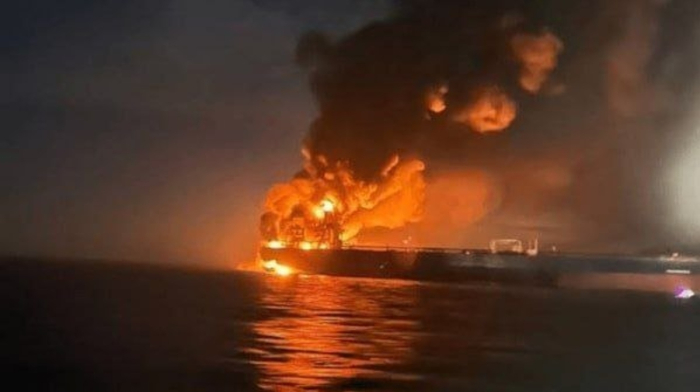
Shipping traffic through the Strait of Hormuz remains limited on Thursday, with no increase in vessel crossings as U.S.-Iran talks to resolve the conflict remained stalled. Nine commodity vessels transited the key waterway on Wednesday, unchanged from the previous day, according to Kpler data.
Shipping through the Strait of Hormuz has slowed, according to the latest data, as uncertainty over the waterway’s reopening kept most shipowners away. Six commodity vessels crossed the strait on Tuesday, down from nine the day before and below the 10-day daily average of 11.
Start your day informed with AnewZ Morning Brief. Here are the top news stories for the 20th of August, covering the latest developments.
Five years after Evergrande's debt crisis rattled global markets, founder Hui Ka Yan has been sentenced to life in prison, marking a dramatic new chapter in the downfall of China's former property giant.
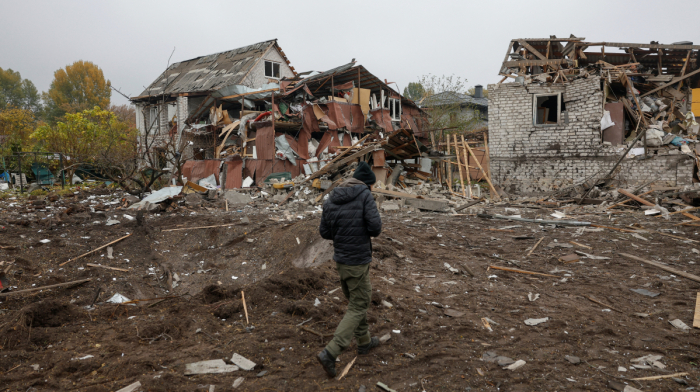
Russian ballistic missile strikes on Ukraine’s capital Kyiv has killed at least sixteen people and injured more than forty others, Ukrainian officials said, with fires reported across the city and Poland activating defensive air operations.
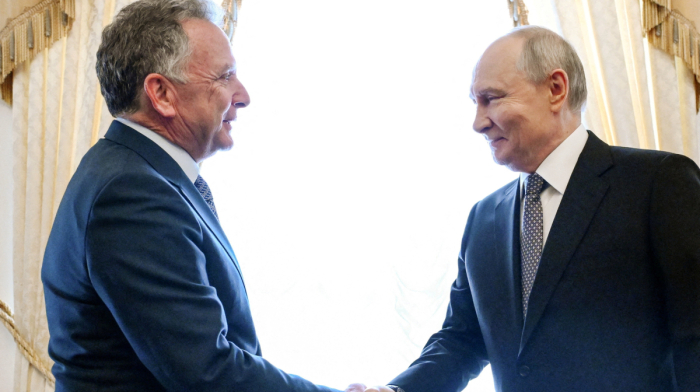
Azerbaijan and Uzbekistan are strengthening their strategic alliance as trade, investment and transport links grow, President Ilham Aliyev said ahead of his state visit to Uzbekistan.
Seven countries have condemned Israel’s decision to open construction tenders for more than 1,200 homes under its E1 settlement project in the West Bank, warning the move could further undermine prospects for a two-state solution.
The UK and Azerbaijan are working to finalise a strategic partnership framework covering political, economic and defence cooperation, the new British Ambassador to Azerbaijan Duncan Norman said on Friday.
Armenia says it will pursue a balanced foreign policy, deepen regional ties and push to institutionalise peace with Azerbaijan under its new government programme.
Pakistan is deepening engagement with Syria’s new leadership as Israeli strikes add fresh pressure on the country’s fragile political transition, with Syrian Foreign Minister Asaad al-Shaibani concluding a landmark visit to Islamabad.
You can download the AnewZ application from Play Store and the App Store.
What is your opinion on this topic?
Leave the first comment