live Russia signals openness to new Ukraine peace ideas
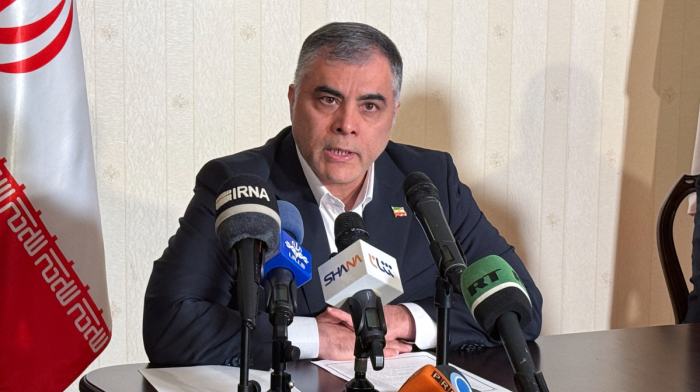
Russia is open to listening to new proposals on how to reach a settlement on the Ukraine conflict, a senior Russia...
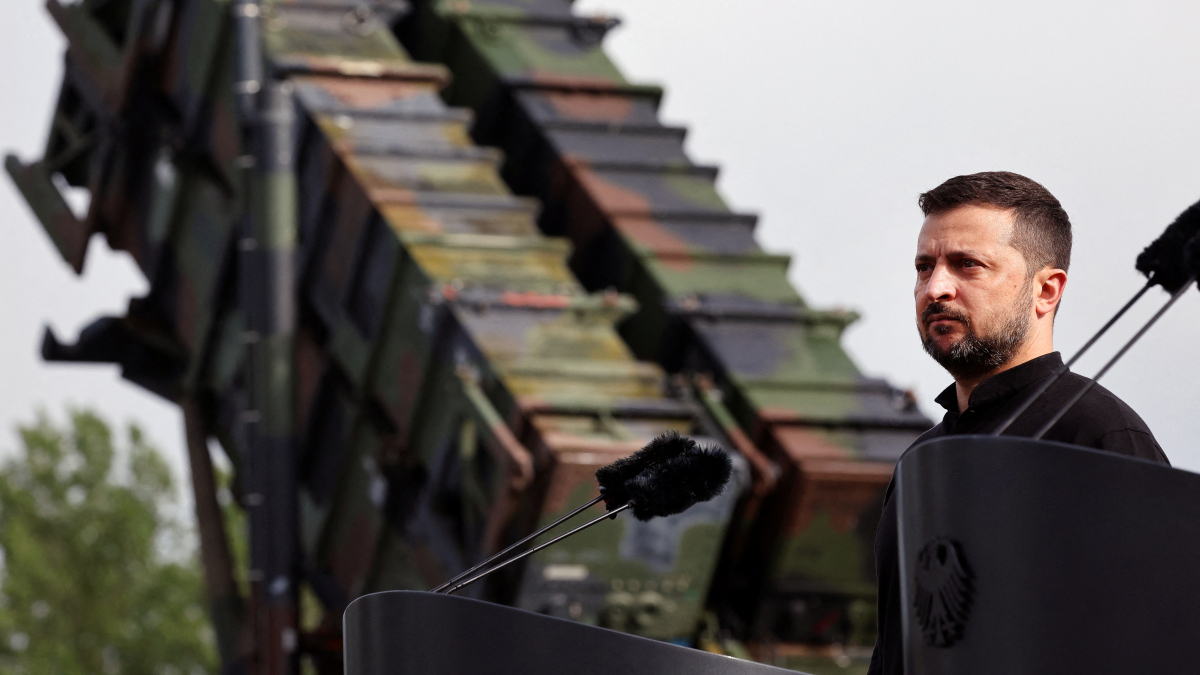
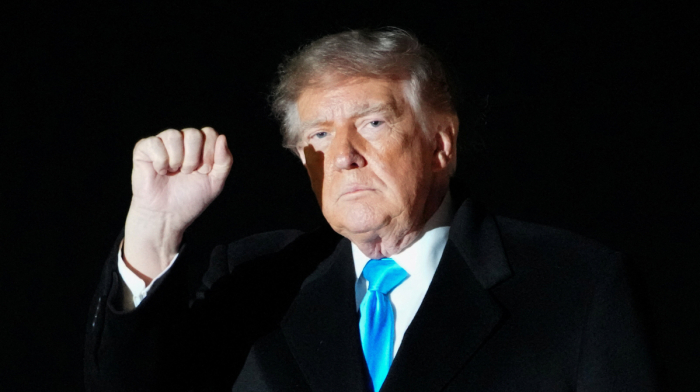
U.S. President Donald Trump said the United States has not agreed to allow Ukraine to manufacture Patriot missile interceptors.
The decision comes despite earlier indications that Washington would provide Kyiv with a production licence during last month's NATO summit in Türkiye.
Speaking during a cabinet meeting at Camp David on Friday (31 July), Trump said discussions were continuing but stressed the sensitivity of sharing advanced U.S. missile technology.
"We have not agreed to that. We're talking about it, but it's a hard thing to give away that kind of technology," Trump said.
"You have to be very careful," he added.
Trump also said Ukrainian President Volodymyr Zelenskyy had requested additional Patriot systems as well as Tomahawk missiles, describing the latter as offensive weapons while calling the Patriot system defensive.
"It's a big step," Trump said, adding that advanced military technology could one day be used against the United States if it fell into the wrong hands.
The remarks mark a shift from Trump's comments at the NATO summit in Türkiye earlier this month, where he said the United States would grant Ukraine a licence to produce Patriot PAC-3 missile interceptors domestically.
Ukraine has long sought permission to co-produce Patriot missiles as Russia intensifies missile and drone attacks on Ukrainian cities.
Patriot systems remain Kyiv's only proven defence against Russian ballistic missiles, but supplies have remained limited.
Despite Trump's latest comments, negotiations appear to be continuing. Ukrainian officials have held meetings with Pentagon officials and defence industry executives in recent weeks to discuss potential cooperation.
Ukraine's ambassador to the United States, Olha Stefanishyna, said on Thursday that Lockheed Martin, the manufacturer of the PAC-3 interceptor, remained committed to expanding cooperation with Ukraine.
Stefanishyna said company executives met President Volodymyr Zelenskyy earlier this week and were planning a visit to Ukraine in the near future.
Shipping traffic through the Strait of Hormuz remains limited on Thursday, with no increase in vessel crossings as U.S.-Iran talks to resolve the conflict remained stalled. Nine commodity vessels transited the key waterway on Wednesday, unchanged from the previous day, according to Kpler data.
Shipping through the Strait of Hormuz has slowed, according to the latest data, as uncertainty over the waterway’s reopening kept most shipowners away. Six commodity vessels crossed the strait on Tuesday, down from nine the day before and below the 10-day daily average of 11.
Start your day informed with AnewZ Morning Brief. Here are the top news stories for the 20th of August, covering the latest developments.
Five years after Evergrande's debt crisis rattled global markets, founder Hui Ka Yan has been sentenced to life in prison, marking a dramatic new chapter in the downfall of China's former property giant.
Russian ballistic missile strikes on Ukraine’s capital Kyiv has killed at least sixteen people and injured more than forty others, Ukrainian officials said, with fires reported across the city and Poland activating defensive air operations.
Virgin Trains has moved a step closer to challenging Eurostar’s three-decade dominance of Channel Tunnel passenger rail, potentially giving travellers more choice between the UK and mainland Europe.
Russia is open to listening to new proposals on how to reach a settlement on the Ukraine conflict, a senior Russian diplomat said, but any proposals should reflect the "realities on the ground".
Nearly 100 days after dozens of children were abducted from a school in northeastern Nigeria's Borno State, parents have taken to the streets to demand urgent government action to bring them home.
China and Indonesia have agreed to strengthen military ties and deepen cooperation in minerals, energy and technology as Jakarta balances relations with Beijing and Washington amid economic and geopolitical tensions.
An international conference in Baku on 21 August is putting Belgium’s colonial record in Africa under renewed scrutiny. Officials, United Nations experts, researchers and human rights advocates are gathering to discuss whether the country has done enough to address the legacy of its rule.
You can download the AnewZ application from Play Store and the App Store.
What is your opinion on this topic?
Leave the first comment