Armenian and Azerbaijani civil society representatives meet for latest peace talks
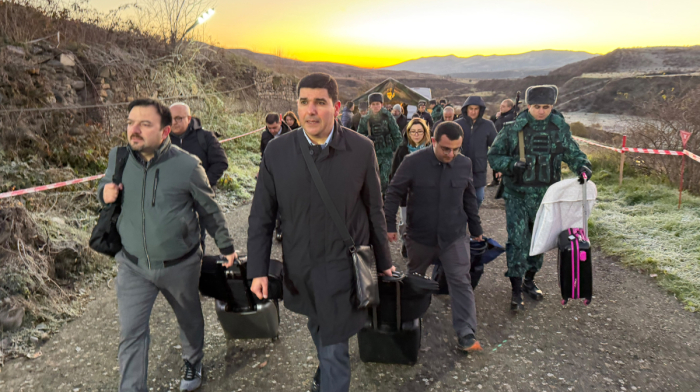
Civil society representatives from Armenia and Azerbaijan are meeting in Armenia on 26 and 27 November, in the latest round of talks aimed at build...
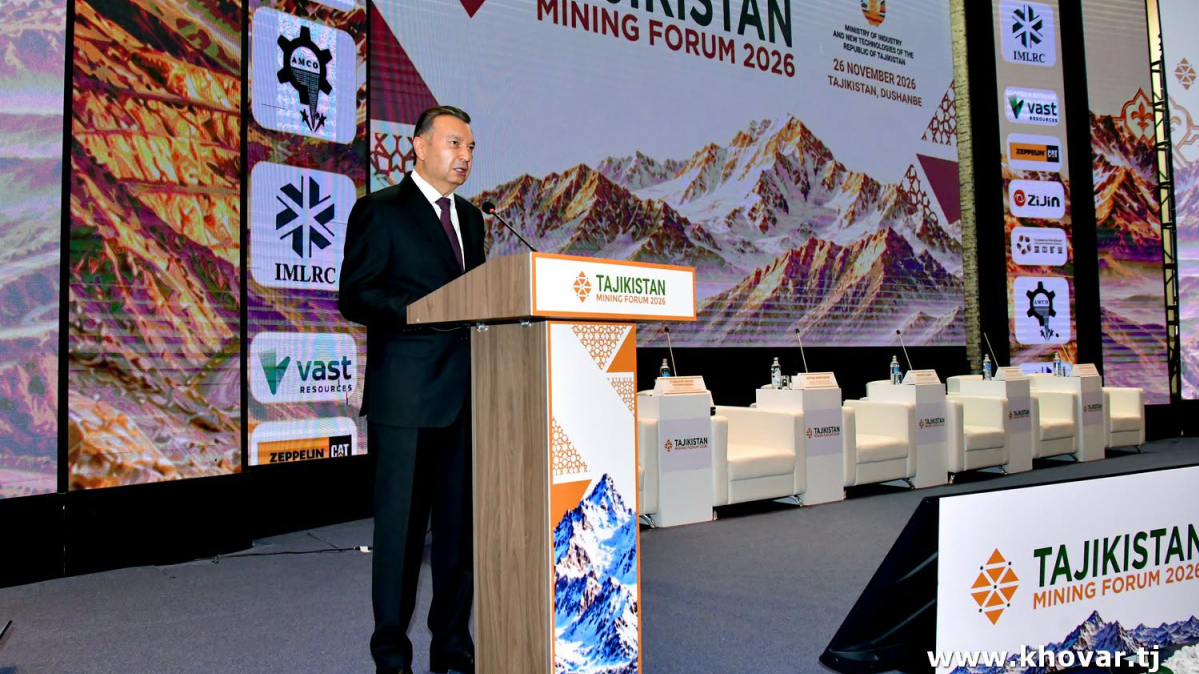
Tajikistan is seeking foreign investment in mining and metals processing as it looks to reduce its reliance on raw material exports.
Tajikistan is seeking foreign investment in mining and metals processing to reduce its reliance on raw material exports.
Prime Minister Kokhir Rasulzoda told an international mining and metallurgy forum that the country has reserves of 10 of the 12 metals he identified as critical.
Of around 800 identified mineral deposits, 100 are already in production, yielding more than 50 types of minerals.
Tajikistan's reserves include gold, silver, copper, lead, zinc, tin, tungsten, lithium and rare earth metals. The country ranks among the world's top three for antimony reserves and production, he said.
The government wants to expand domestic processing, prioritising copper cathodes, speciality alloys, high-purity aluminium and electrical equipment components.
Rasulzoda said abundant mineral reserves and affordable electricity could support energy-intensive manufacturing and attract investment across the supply chain, from mining to finished products.
Tajikistan is digitising its geological archives and adopting international mineral reporting standards, including the JORC Code, to help investors assess geological risks.
Its legislation offers more than 240 types of incentives, including over 110 tax and customs concessions.
Five free economic zones offer established infrastructure and special tax regimes, while investors have a single point of contact for government services.
Rasulzoda invited foreign companies to establish joint ventures and build new plants, adding that relevant ministries were ready to present sites for joint development.
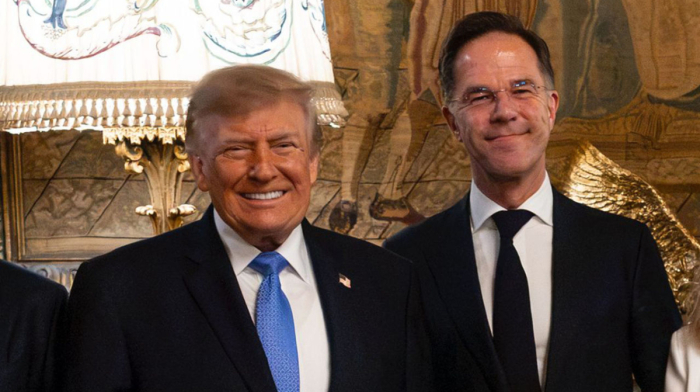
U.S. President Donald Trump and NATO Secretary General Mark Rutte urged Russia to avoid widening the war in Ukraine and called for a swift peaceful resolution during talks in Florida on Wednesday (25 November). They also discussed NATO defence spending and the war in Iran.
Civil society representatives from Armenia and Azerbaijan are meeting in Armenia on 26 and 27 November, in the latest round of talks aimed at building support for peace.
Here's your AnewZ Daily Brief for the 26th of November, covering the latest culture news.
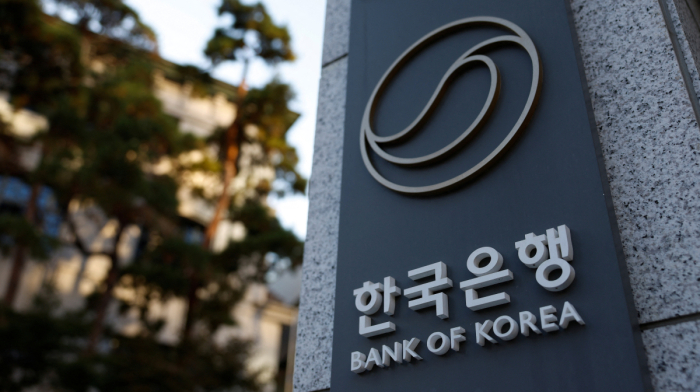
South Korea’s central bank raised its benchmark interest rate by 25 basis points to 3.25 per cent on Thursday (26 November), as persistent inflation and strong economic growth prompted further monetary tightening.
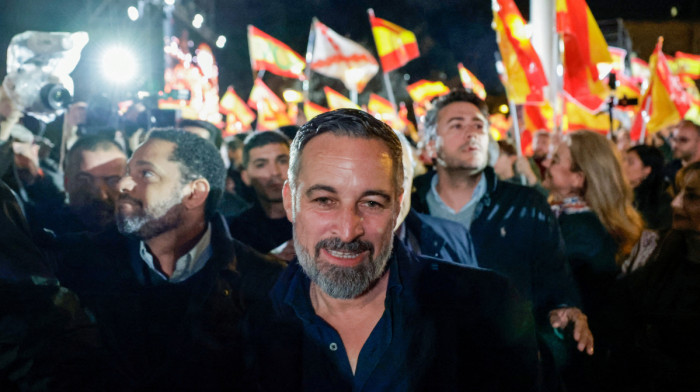
Spain votes on 29 November in a snap election that could give the far right a place in national government for the first time since General Francisco Franco's dictatorship ended in 1975.
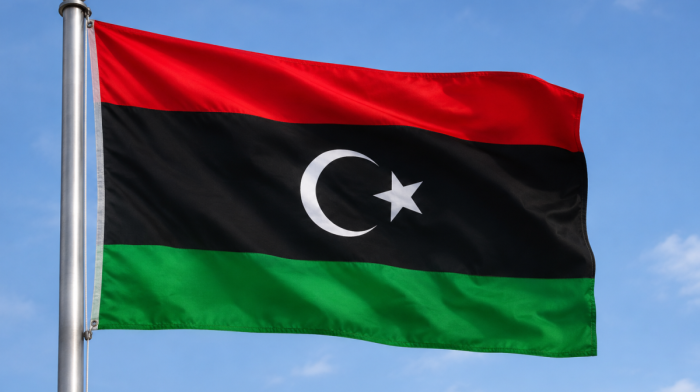
Algeria, Egypt and Tunisia have called for synchronised parliamentary elections in Libya, stepping up diplomatic efforts to end a political deadlock that has divided the country for more than a decade.
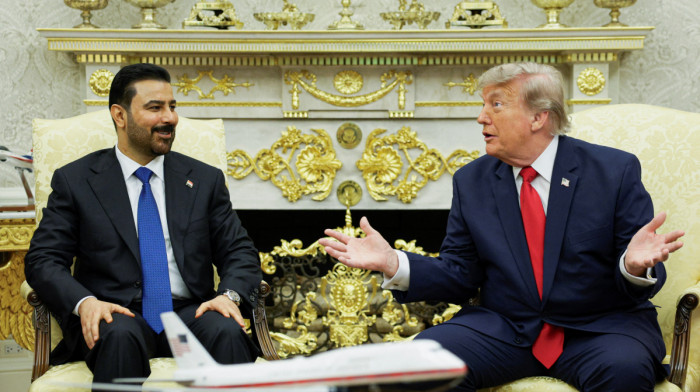
U.S. President Donald Trump has backed Iraqi Prime Minister Ali al-Zaidi’s efforts to strengthen government control across the country, curb oil smuggling, stamp out corruption and bring armed groups under state authority.
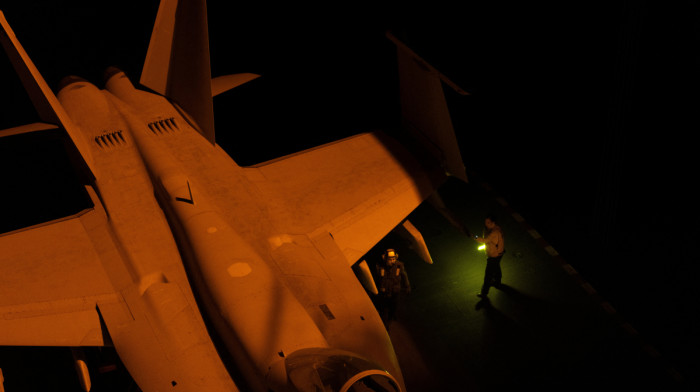
Iran's Islamic Revolutionary Guard Corps (IRGC) claimed on Friday that its air defence systems fired warning shots at a U.S. F-16 fighter jet near Hengam Island, forcing the aircraft to turn away amid continuing tensions over maritime navigation in the Strait of Hormuz.
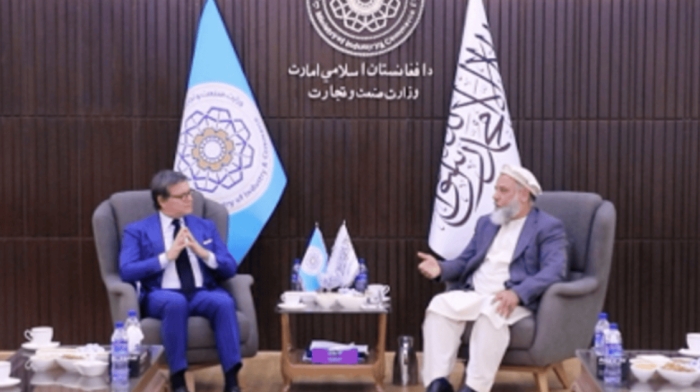
Afghan authorities are seeking to strengthen trade and economic ties with the European Union (EU), focusing on private sector growth following talks in Kabul on Thursday.
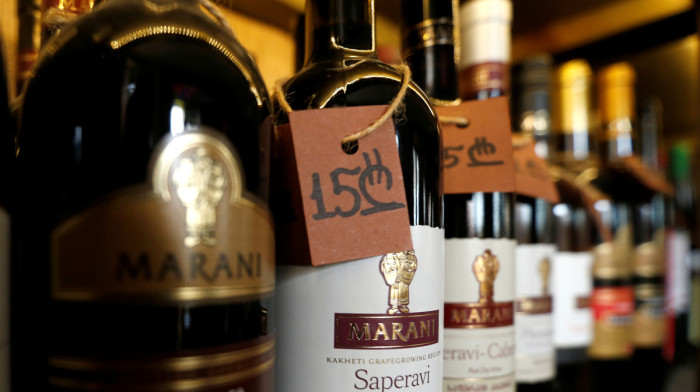
Georgia’s Special Representative to Russia, Giorgi Zurabashvili was left “stunned” after Moscow said it intended to sanction more Georgian wine firms during the first bilateral talks between the two countries in five years.
You can download the AnewZ application from Play Store and the App Store.
What is your opinion on this topic?
Leave the first comment