Ukraine has expressed regret over the deaths of two Libyan naval officers following drone strikes in and around Benghazi, as Kyiv seeks to contain a diplomatic dispute triggered by its expanding campaign against Russian military assets outside the region.
In a statement following a call with Libyan officials, Ukrainian Foreign Minister Andrii Sybiha said he had conveyed condolences to the Libyan people and stressed that Ukraine's operations were never intended to target Libya or its citizens.
According to Sybiha, Ukrainian actions were directed solely at Russian military assets supporting Moscow's war effort against Ukraine. He said he had acknowledged the “unintended consequences” of the strikes and reiterated Kyiv's desire to maintain strong relations with Libya.
“None of Ukraine's actions have ever been directed against Libya or the Libyan people,” Sybiha said, adding that Ukraine does not seek to expand the conflict with Russia into Libya or any other country.
The remarks come after Ukrainian President Volodymyr Zelenskyy confirmed that Ukrainian forces carried out two operations off Libya's eastern coast over the weekend.
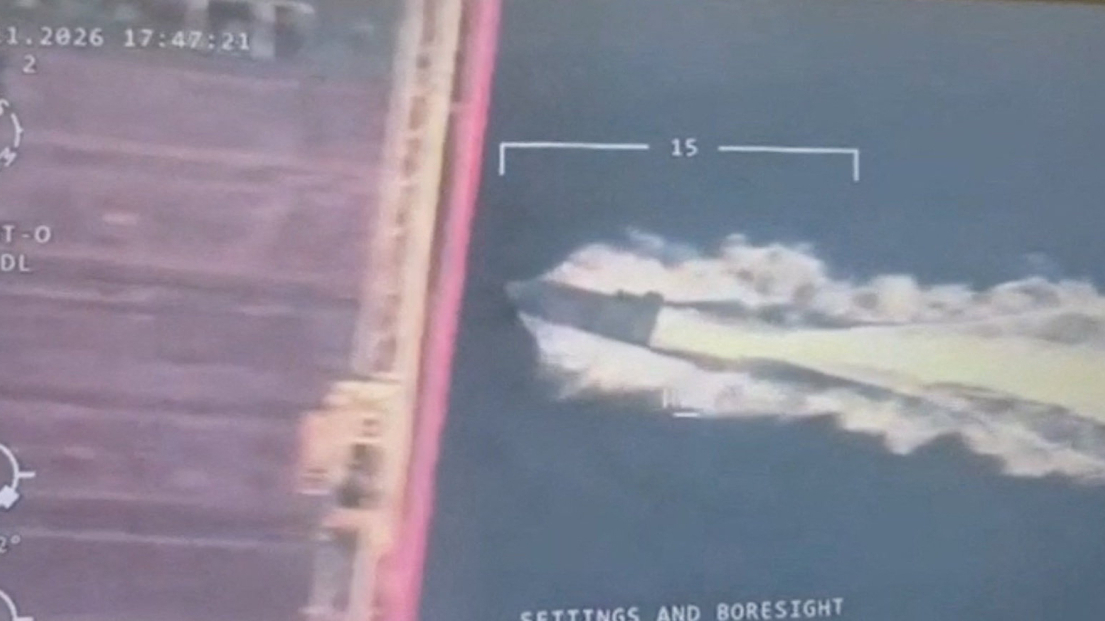
According to Ukrainian officials, the first operation struck the Russian corvette Merkury after it docked at Benghazi's port before dawn on Sunday. A separate attack later targeted the cargo vessel MV Angara, which Kyiv alleges was being used by Moscow to transport weapons.
Libyan authorities reported that the attacks left 10 people injured. Eastern-based military officials later announced that two Libyan naval personnel had died from wounds sustained during the incidents.
The deaths prompted strong reactions from both of Libya's rival administrations.
The eastern-based government in Benghazi filed complaints with the United Nations General Assembly and the UN Security Council, calling for an international investigation into the attacks.
Meanwhile, the internationally recognised Government of National Unity in Tripoli also condemned the operations and demanded clarification from Kyiv.
Libya's growing role in the Russia-Ukraine conflict
While the war remains centred on Ukraine, Libya has increasingly become part of the wider geopolitical contest between Kyiv and Moscow.
Russia has maintained a significant presence in eastern Libya for years through military cooperation and security arrangements linked to forces controlling large parts of the country's east and south.
Ukrainian officials have repeatedly argued that Russian military infrastructure and logistics networks beyond Ukraine's borders can be considered legitimate targets if they directly support Moscow's war effort.
The Benghazi operations marked one of the clearest examples yet of Ukraine extending military action into areas where Russian assets operate outside the immediate battlefield.
The strikes also raised questions about the risks facing third countries that host or cooperate with Russian military-linked infrastructure.
Mindful of the diplomatic fallout, Kyiv has moved quickly to reassure Libyan leaders.
Sybiha emphasised that Ukraine considers Libya a longstanding partner and pointed to cooperation in areas including food security, trade and healthcare.
Ukraine has long been an important supplier of grain and agricultural products to Libya, and officials in Kyiv signalled that they want bilateral cooperation to continue despite the latest tensions.
The foreign minister said Ukraine remains committed to strengthening economic and political ties with Libya and broadening cooperation across multiple sectors.
The incident comes at a sensitive moment for Libya, which remains divided between rival political authorities more than a decade after the overthrow of former leader Muammar Gaddafi.
The west of the country is governed by the Government of National Unity led by Abdul Hamid Dbeibeh in Tripoli, while the east is controlled by a rival administration headed by Osama Hammad and backed by the House of Representatives in Benghazi.
Although the two governments differ on many issues, both condemned the attacks and rejected the use of Libyan territory and waters as a theatre for foreign military operations.
The episode underscores a growing challenge for Ukraine as it pushes its military campaign further from the front lines.
Kyiv increasingly views Russian logistics, naval assets and supply networks beyond Ukraine as legitimate targets. However, operations in third countries risk creating diplomatic friction with governments that may not be directly involved in the conflict.
By expressing regret while defending the military rationale behind the attacks, Ukraine is attempting to strike a balance between maintaining pressure on Russian assets and preserving relationships with countries affected by the expanding reach of the war.
Read more:














What is your opinion on this topic?
Leave the first comment