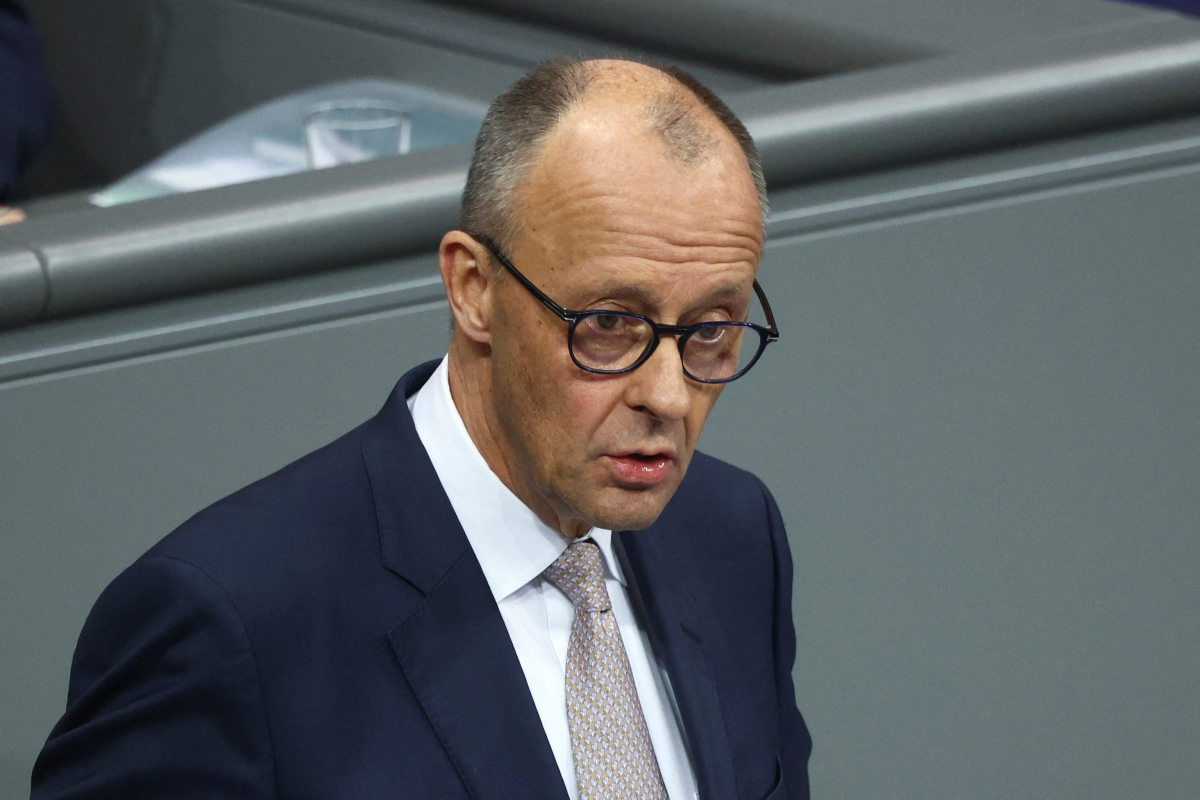
When German Chancellor Friedrich Merz stood before the Bundestag this week and declared that “Russia wants more than Ukraine,” he was speaking to a growing anxiety across Europe. For many governments on NATO's eastern flank, the concern is no longer confined to the war inside Ukraine.
Increasingly, officials fear the conflict is spilling into a broader contest between Russia and Europe.
“Russia is escalating in the Baltic region, in Poland, on the Black Sea; Russia is escalating in space, and Russia is by now also escalating massively here in our own country,” Merz told lawmakers as he defended higher German defence spending and continued support for Kyiv.
The remarks came during a week marked by a series of incidents that have heightened concerns among European governments about security beyond Ukraine's borders.
Poland becomes a focal point
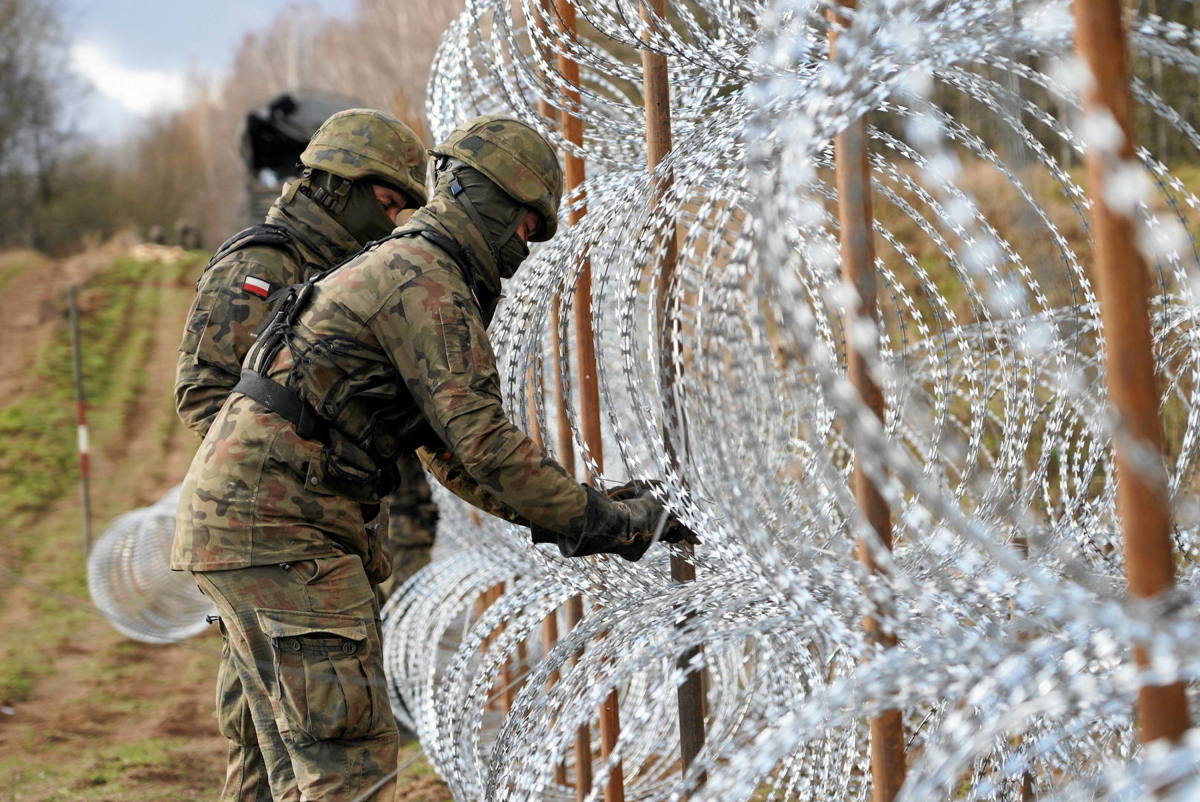
The most serious concern emerged in Poland, one of Ukraine's closest military and political supporters.
Polish authorities said three Russian Kh-101 missiles entered Polish territory before crashing last week, prompting an emergency response and renewed debate about how NATO should react when Russian weapons cross into alliance territory.
Prosecutors later said preliminary analysis indicated the missiles had been manufactured in Russia in late 2026.
Separately, Warsaw accused Russia of deliberately violating Polish airspace after a surveillance drone briefly entered the country before changing course.
Deputy Defence Minister Pawel Zalewski said it was difficult to regard the incident as accidental.
“It's hard to imagine this being a coincidence, so we assume it was an intentional act,” Zalewski told Polish media.
The incidents have reinforced fears that the war could trigger a wider crisis through miscalculation or escalation rather than through a deliberate attack.
In response, NATO confirmed it would deploy an AWACS airborne early-warning aircraft to Poland to strengthen surveillance along the alliance's eastern flank.
NATO Secretary-General Mark Rutte stressed that the alliance was closely monitoring developments.
“We will always make sure that we defend every inch of NATO territory,” he said.
Tensions rise in the Baltic
Further north, relations between Russia and Estonia have deteriorated sharply.
The dispute intensified after Estonia announced it would close land border crossings with Russia for at least six months, citing security concerns and accusing Russian services of involvement in hostile activities on Estonian territory.
Russia responded with unusually strong language.
The Russian Foreign Ministry accused Estonia of a range of hostile actions and warned that Tallinn's policies were “on the verge of triggering open war.”
Among Moscow's complaints were accusations that Estonia was facilitating Ukrainian military activities and obstructing Russian interests in the Baltic region. Estonian officials rejected the claims and described them as disinformation.
The increasingly hostile rhetoric has alarmed observers because Estonia is a NATO member. Any direct confrontation would immediately carry alliance-wide implications.
For residents in the Baltic region, the growing war of words is becoming harder to ignore.
Speaking in Tallinn, resident Liisi Rohtung said Russia had repeatedly tried to pressure neighbouring countries since invading Ukraine.
“People need to persevere,” she said.
Kaliningrad emerges as a potential flashpoint
Much of the concern focuses on Kaliningrad, Russia's heavily militarised exclave situated between Poland and Lithuania.
The territory hosts Russian naval, missile and air-defence assets and occupies one of the most strategically sensitive locations in Europe.
Recent events have highlighted the exclave's vulnerability. A Russian cargo vessel linked to military logistics was damaged by drones in the Baltic Sea, while local authorities in Kaliningrad have reported drone alerts and growing security concerns.
Moscow has responded by announcing plans to build two large rail ferries designed to guarantee supplies to the territory.
Russian Prime Minister Mikhail Mishustin said the project was necessary because what he described as hostile actions by other countries were complicating logistics to the exclave.
Security analysts have long viewed Kaliningrad as one of the most likely locations where a future Russia-NATO crisis could emerge. Any attempt by Russia to reinforce the territory, or any perception in Moscow that NATO is seeking to isolate it, could rapidly increase tensions.
The Kremlin has already warned that it would consider serious measures if Kaliningrad's links to mainland Russia came under threat.
Europe's changing security mindset
The accumulation of incidents is helping explain why European governments are increasing defence spending at a pace not seen in decades.
Germany plans to more than double defence expenditure by 2030, while Poland has become one of NATO's biggest military spenders relative to the size of its economy.
For Merz, support for Ukraine is no longer only about helping Kyiv.
“By supporting Ukraine, we are also protecting ourselves,” he told lawmakers.
That argument is increasingly common among European leaders who see Ukraine as the first line of defence against broader instability on the continent.
Meanwhile Russia rejects the suggestion that it seeks confrontation with NATO.
The Kremlin has repeatedly stated that its actions are driven by national security concerns and insists it has no intention of attacking alliance members.
Moscow has also denied responsibility for many of the incidents attributed to it by European governments, including accusations of sabotage, cyberattacks and interference operations.
Russian officials argue that NATO's expansion, increased military deployments and support for Ukraine have themselves contributed to rising tensions.
Why Merz's warning matters
For much of the war, European leaders sought to frame the conflict as a struggle contained largely within Ukraine's borders.
That perception is increasingly difficult to maintain.
Missiles landing in Poland, escalating tensions with Estonia, growing concern over Kaliningrad and NATO's expanded military posture are all contributing to a wider debate about European security.
Merz's warning reflects that shift.
The question confronting European governments is no longer simply how to help Ukraine resist Russia. It is whether the continent has entered a broader confrontation in which the front line extends from the Black Sea to the Baltic, and from cyberspace to NATO's borders.
For now, the incidents remain limited. But for many European capitals, they are becoming harder to dismiss as isolated events.
Read more:













What is your opinion on this topic?
Leave the first comment