A Kenyan court has convicted cult leader Paul Mackenzie on fresh charges linked to the deaths of hundreds of followers in the Shakahola Forest, adding to the legal consequences he already faces for one of the deadliest cult-related tragedies in modern history.
The ruling on Wednesday (25 November) comes weeks after Mackenzie received a 200-year prison sentence for the murders of 190 children and one adult in a case that shocked Kenya and drew international attention.
A magistrate in the coastal city of Mombasa found Mackenzie guilty of five counts of cruelty to a child and one count of assault causing actual bodily harm after prosecutors argued that he encouraged parents to withhold food from their children as part of his apocalyptic religious teachings.
According to the court, Mackenzie instructed followers living in the Shakahola settlement to fast until death and taught that children should die first, followed by women and then men. The court concluded that those teachings directly contributed to the suffering of children within the community.
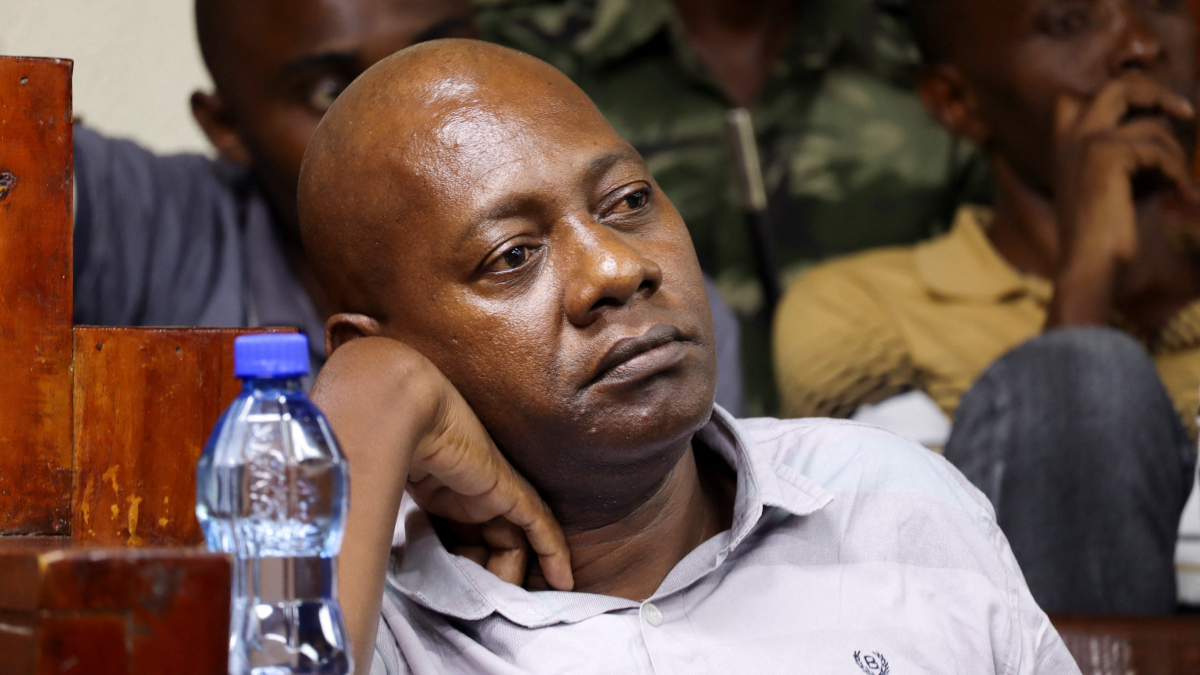
Mackenzie, wearing a striped shirt, appeared calm during the ruling, smiling occasionally. He denied the charges and pleaded not guilty. He was acquitted of several other counts, including child torture allegations, and will be sentenced on the latest convictions at a later date.
Hundreds of victims
The Shakahola case first came to public attention in 2023 when Kenyan authorities began uncovering bodies in remote forest areas near the coastal town of Malindi.
Investigators accused Mackenzie, the founder of the Good News International Church, of persuading followers that starving themselves would allow them to meet Jesus Christ before the end of the world.
Excavations eventually uncovered hundreds of bodies. Victims included children who prosecutors say died from deliberate starvation, while some were reportedly buried alive or disposed of in pit latrines.
Authorities believe the total number of victims may have reached 500, making the case one of the largest cult-related mass killings in recent history.
Survivors, evidence and co-defendants
The court heard evidence from dozens of witnesses, including child survivors, parents, medical professionals, psychologists and forensic experts.
Prosecutors said the investigation revealed a pattern of prolonged fasting, deprivation of food and water, physical abuse, psychological manipulation and denial of education.
Eleven of Mackenzie's followers were also convicted of offences involving children in the Shakahola community. At the same time, the court cleared 24 defendants of all charges and acquitted all accused persons of torture counts because the legal definition of torture requires the involvement of a public official.
Kenya's Office of the Director of Public Prosecutions described the verdict as another significant milestone in the effort to hold those responsible accountable.
More trials to come
Despite the latest convictions and his 200-year sentence, Mackenzie remains the subject of additional criminal proceedings.
He still faces separate charges including terrorism, radicalisation and mass manslaughter related to the deaths uncovered in Shakahola.
Prosecutors have pursued multiple cases because the killings involve different victims and a range of alleged offences, each requiring separate legal proceedings under Kenyan law.
Calls for reform
The Shakahola tragedy triggered nationwide debate over oversight of religious organisations and the responsibility of authorities to intervene when warning signs emerge.
The discovery of hundreds of victims prompted calls for stricter regulation of religious groups, although proposed reforms backed by the government and members of the Senate have yet to become law.
In 2023, Kenyan President William Ruto acknowledged failures by the state to prevent the deaths and said his government bore responsibility for not acting sooner.
The scale of the tragedy has drawn comparisons with other notorious cult disasters, including the 1978 Jonestown massacre in Guyana and a 2000 doomsday cult tragedy in Uganda.
With further court cases still pending, legal proceedings surrounding the Shakahola deaths are expected to continue for months as authorities seek accountability for one of Kenya's darkest modern crimes.
Read more:
















What is your opinion on this topic?
Leave the first comment