Uzbekistan to bring AI into filmmaking under new presidential decree
Uzbekistan’s national film company Özbekfilm will introduce artificial intelligence (AI) into film production under a new programme outl...
Uzbekistan’s national film company Özbekfilm will introduce artificial intelligence (AI) into film production under a new programme outlined in a presidential decree.
The initiative includes creating a specialised dataset on the country’s history, culture and visual heritage by 2028 to train AI models for use in filmmaking.
Özbekfilm and the Ministry of Digital Technologies will work together to develop and regularly update the dataset, providing AI models with detailed information about the country’s heritage.
A dedicated laboratory, Özbekfilm AI Lab, will be established within the national film company to work with the dataset, train specialists and integrate AI technology into film production.
The programme also includes plans to introduce dedicated categories for AI-generated films at the President AI Award and the Tashkent International Film Festival.
The Ministry of Digital Technologies will organise annual overseas internships for film industry professionals.
The initiatives will receive annual funding from resources earmarked for AI projects under a presidential resolution adopted on 30 October 2025.
Tashkent is also preparing to host its first international AI film festival, ZIYO FEST AI, in January 2027. The competition will offer a prize fund of 100 million soums (about $8,300).
Filmmakers have until 13 December 2026 to apply.
The initiatives form part of Uzbekistan’s broader efforts to integrate AI into its creative industries and develop local expertise in emerging technologies.
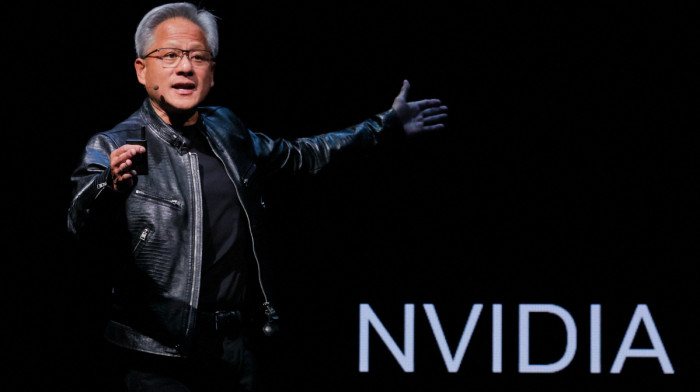
Nvidia has reinstated Jensen Huang as chief executive just days after ruling out his return, following a scandal involving alleged espionage links that prompted a national security review.
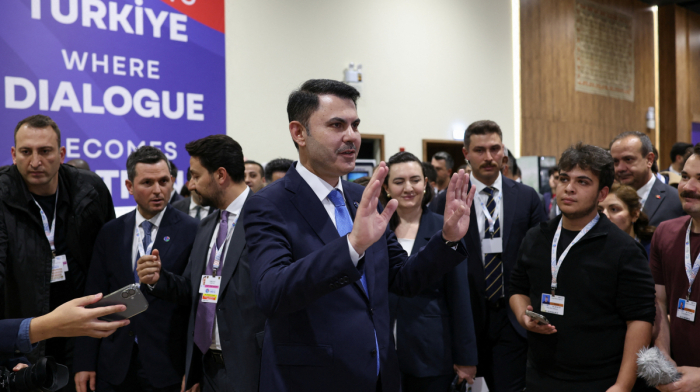
The COP31 climate summit in Antalya, Türkiye, ended without a political agreement after deep divisions over fossil fuels, with negotiators accusing Saudi Arabia of exerting disproportionate influence over the talks.
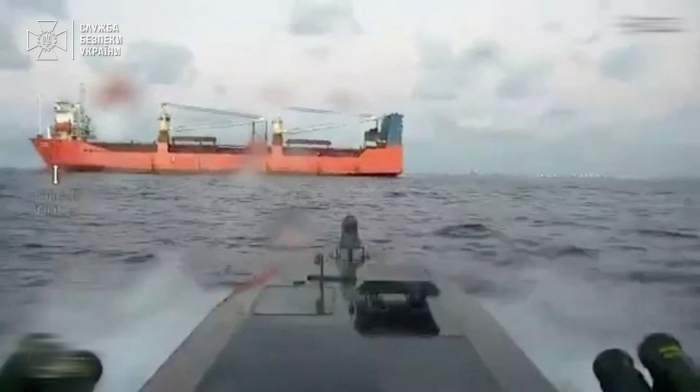
Ukrainian President Volodymyr Zelenskyy has said Ukraine sank the Russian Navy corvette Merkury at a naval base in eastern Libya using maritime drones.
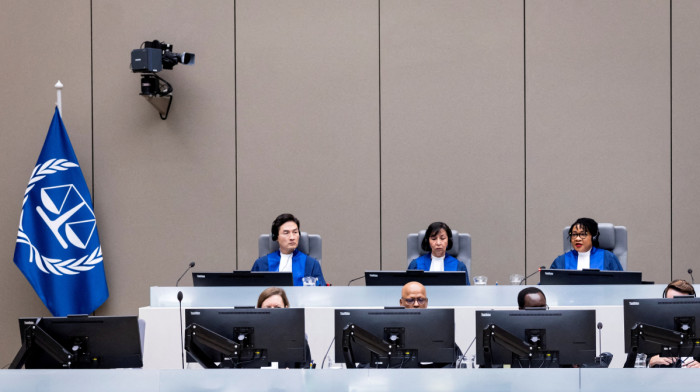
Tajikistan has become the seventh country to begin withdrawing from the International Criminal Court (ICC), the world's permanent war crimes tribunal. The court has 125 member states, seven of which have formally started the withdrawal process. It takes a year for a withdrawal to come into effect.
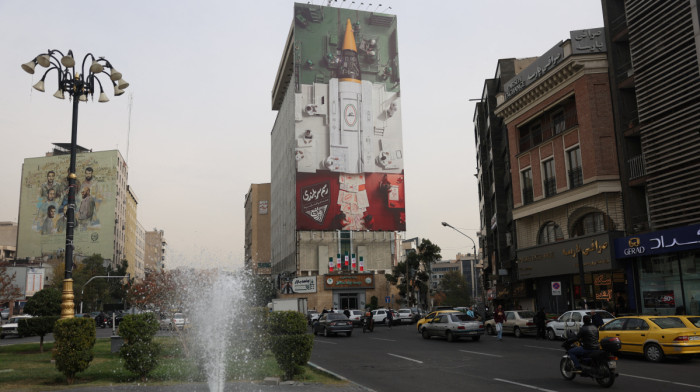
Iran says it has shot down a U.S. MQ-1 Predator drone east of the Strait of Hormuz, as diplomatic efforts to end the war continue and looming electricity shortages threaten to deepen the country's energy crisis.
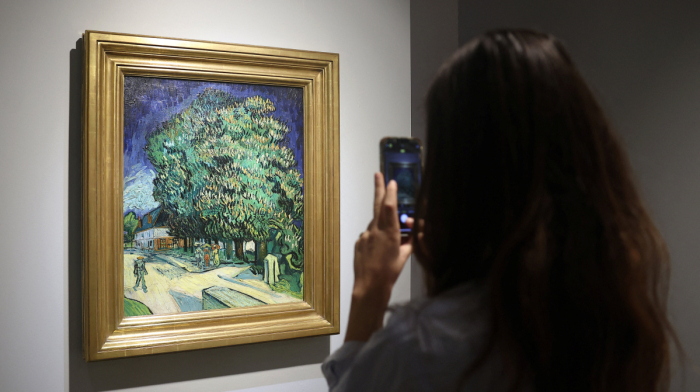
Vincent van Gogh's 1890 masterpiece Chataigniers en Fleurs, unseen by the public for more than 50 years, has sold for a record $190.4 million at Sotheby's in New York on Wednesday, 18 November, becoming the most expensive work by the Dutch artist ever sold at auction.
A newly uncovered chapel near the Nagzauri monastery complex offers another glimpse into Georgia’s early Christian heritage, with architectural details shedding light on how religious communities worshipped and built their churches more than a thousand years ago.
Robert Pattinson has been named the next James Bond, with Amazon MGM Studios confirming the British actor will succeed Daniel Craig as 007 in a new film directed by Denis Villeneuve.
From Rosalía’s historic Latin Grammy win to Azerbaijan’s film festival success and Johnny Depp’s box office comeback, here’s your AnewZ Daily Brief for 16 November 2026, covering the biggest cultural stories from the weekend.
Herbert Karim-Masihi – an Armenian-Iranian photographer and documentary photographer – says his book Thousands of Years of Iran conveys the theme that the country has survived through millennia of developments.
You can download the AnewZ application from Play Store and the App Store.
What is your opinion on this topic?
Leave the first comment