Uzbekistan has showcased its first artificial glacier project at the COP31 climate summit in Antalya, Türkiye, highlighting an innovative way to store winter water for use in warmer months as Central Asia grapples with worsening water shortages.
The initiative was presented during a meeting between Aziz Abdukhakimov, Uzbekistan's presidential adviser on environmental issues and chairman of the National Committee on Ecology and Climate Change, and representatives of the UN Food and Agriculture Organization (FAO), according to an official statement released on 10 November.
The project comes amid growing pressure on Uzbekistan's water supplies. Official projections suggest water availability could fall by 30 to 40 per cent by 2050, while irrigation demand could increase by 25 per cent.
How does the artificial glacier work?
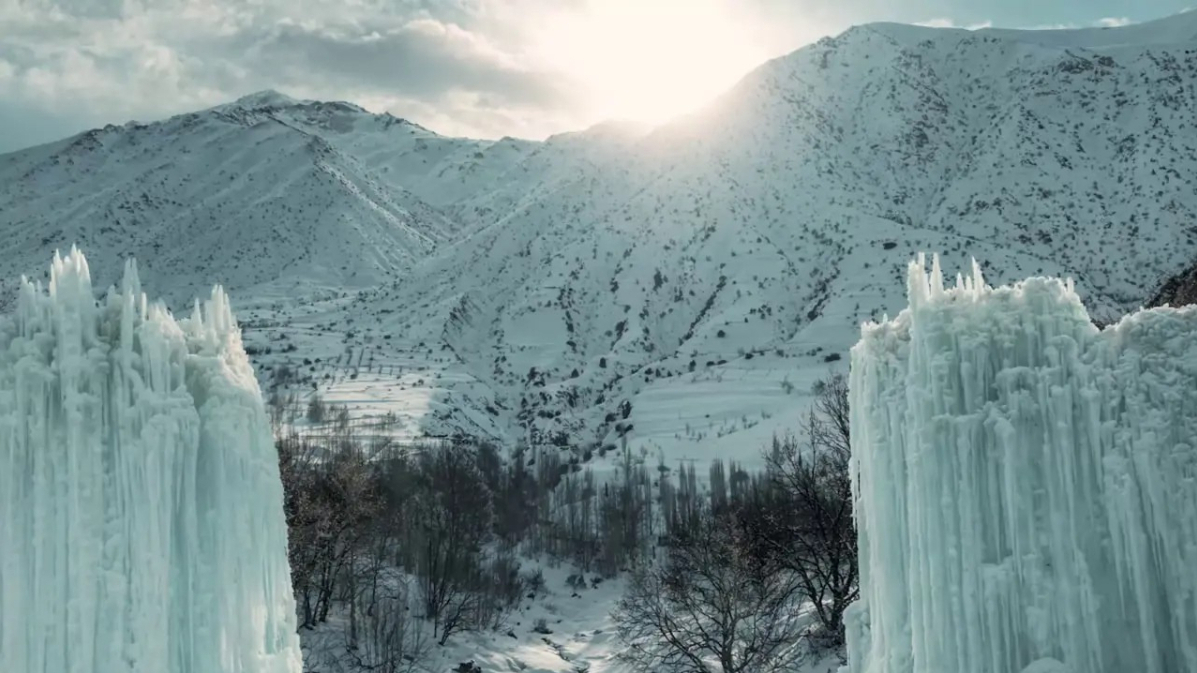
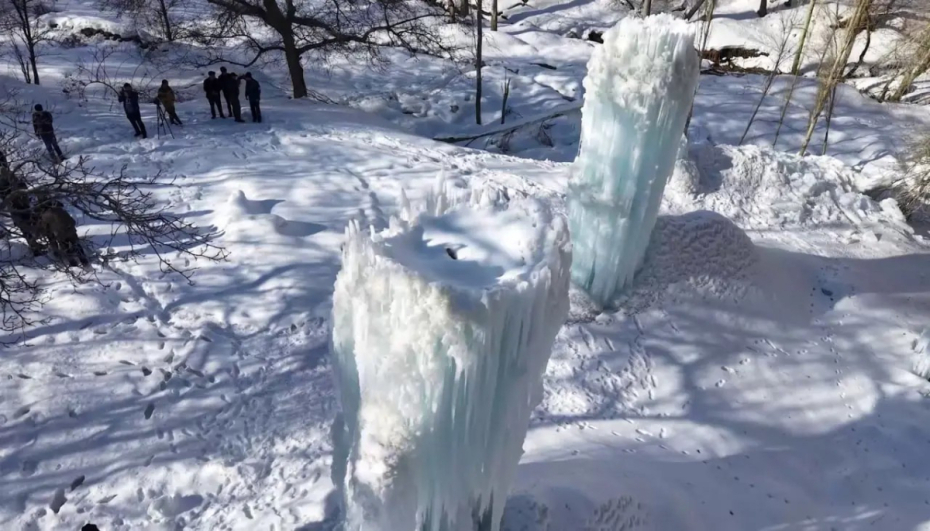
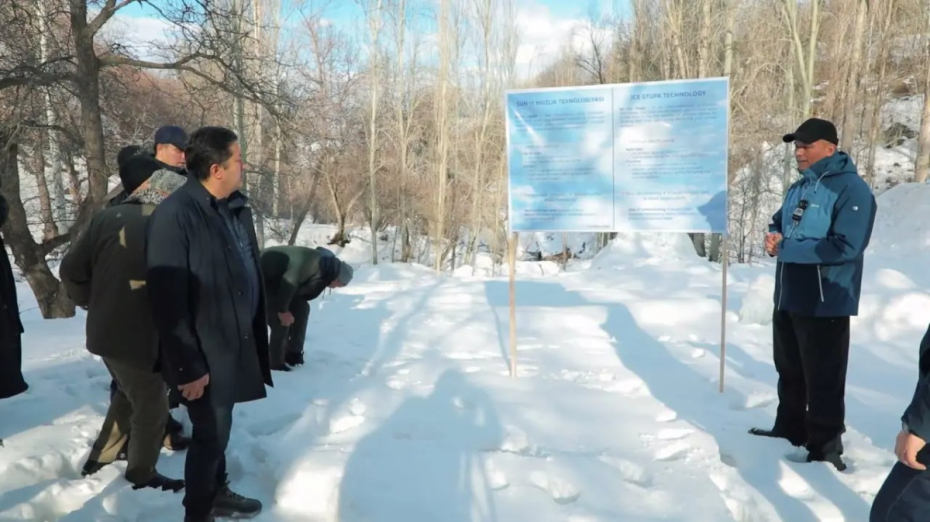
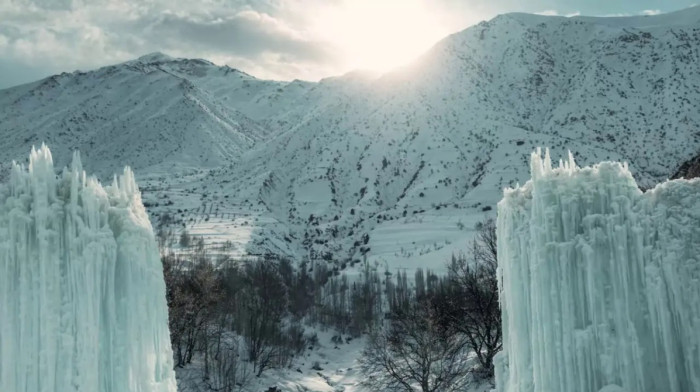
Known as Ice Stupa, the technology harnesses freezing winter temperatures to build large ice formations that slowly release water as temperatures rise in spring and summer.
Water from existing sources is piped through a specially designed system and sprayed into the cold air, freezing into a growing structure of ice.
As the ice gradually melts, it provides an additional water supply for farms and nearby communities when demand is highest.
The system aims to help mountainous and drought-prone areas manage seasonal shortages by storing water during winter for use in the warmer growing season.
Uzbekistan launches its first pilot project
Uzbekistan introduced the technology in partnership with FAO through its National Committee on Ecology and Climate Change.
The initiative is part of the Food Systems, Land Use and Restoration Impact Programme (FOLUR), funded by the Global Environment Facility (GEF).
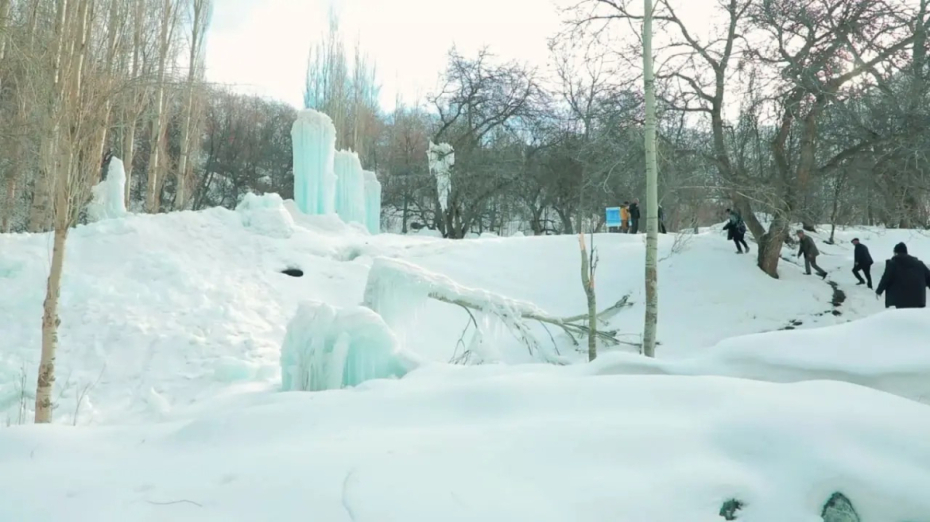
The country's first pilot glacier was built in the Sarchashma area of Shahrisabz district, in Uzbekistan's Kashkadarya region.
According to regional media reports, the installation began operating on 9 January 2026, using natural elevation differences and water pressure to function without electric pumps.
During its initial trial, the glacier reportedly accumulated around 800 cubic metres of ice, providing meltwater for approximately 60 local households.
While the early results are promising, the technology's long-term effectiveness and potential for wider use have yet to be established.
Uzbekistan faces worsening water shortages
Uzbekistan's National Committee on Ecology and Climate Change has warned that rising temperatures, melting glaciers and shifting rainfall patterns are putting increasing strain on water supplies across Central Asia.
According to projections cited by the committee, Uzbekistan's water deficit could grow from nearly three billion cubic metres in 2015 to seven billion by 2030, before reaching 15 billion cubic metres in 2050.
With water supplies under pressure and agricultural demand expected to rise, improving storage and irrigation efficiency is becoming increasingly important.
Could artificial glaciers help Central Asia?
Uzbekistan's project aims to strengthen the country's resilience to climate change by harnessing natural freezing conditions to store water that can be used during drier months.
If successful, the technology could provide an additional source of seasonal water storage for mountainous communities struggling with shortages.
The initiative also forms part of broader cooperation between Uzbekistan and international organisations to improve water conservation, promote sustainable land management and strengthen agricultural resilience.
Although still in its early stages, the project could offer valuable lessons for other water-stressed communities across Central Asia.















What is your opinion on this topic?
Leave the first comment