Qatar has rejected reports that negotiations between the U.S. and Iran have failed, confirming on Saturday, 7 November, that its mediation efforts are continuing as both sides work towards an agreement.
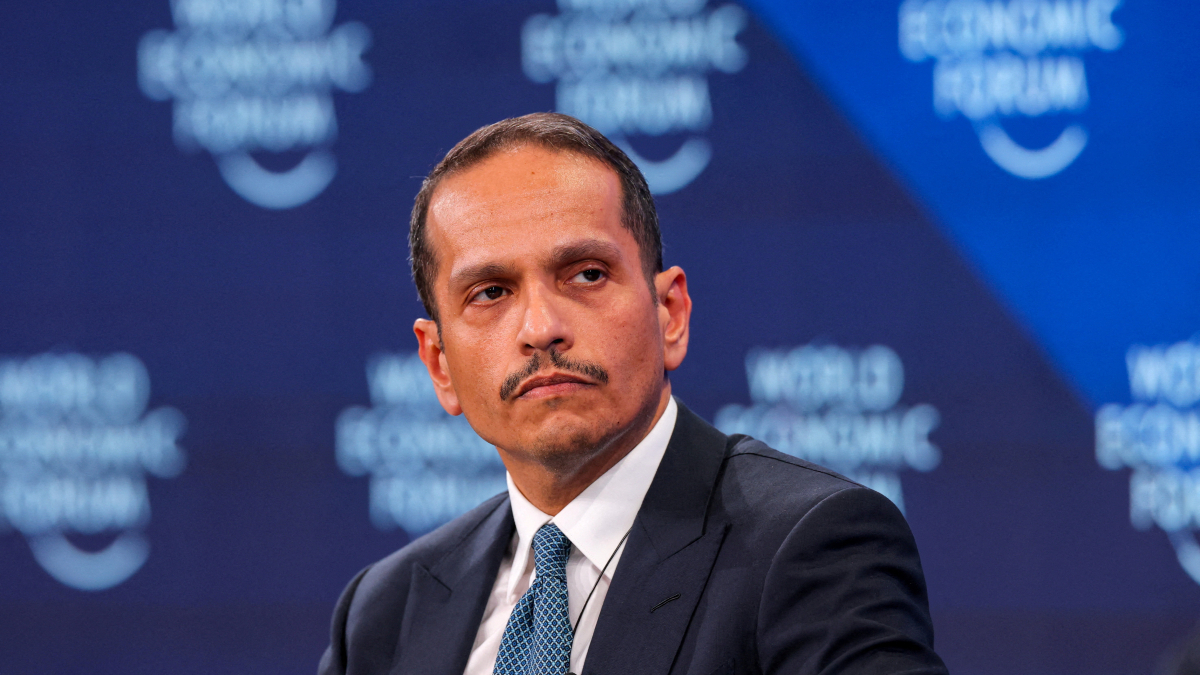
In an official statement, Qatar's International Media Office dismissed claims that Prime Minister and Foreign Minister Sheikh Mohammed bin Abdulrahman Al Thani had declared the negotiations unsuccessful. It said his remarks had been misrepresented.
The clarification follows renewed diplomatic contacts between Washington and Tehran, with Qatar working to bridge differences over a potential agreement to end the conflict and prevent further escalation across the Middle East.
Qatar rejects claims of failed negotiations
Qatar's International Media Office described circulating reports about the prime minister's remarks as “false and misleading”.
It accused accounts spreading the claims of deliberately distorting his comments and attempting to undermine diplomatic efforts.
The office stressed that both sides were continuing to work towards a deal, while Qatari mediators remained in close coordination with Washington and Tehran.
Sheikh Mohammed also said Qatar's mediation efforts were aimed at preventing the regional situation from spiralling out of control, according to Al Jazeera, as reported by Reuters.
He urged both sides to pursue a workable agreement rather than wait for ideal conditions to secure peace.
Washington and Tehran remain divided
The latest statements follow several rounds of diplomatic engagement involving Qatari mediators and Iranian officials.
On 3 November, Qatar's Foreign Ministry spokesperson Majed Al Ansari confirmed that Doha was facilitating the exchange of proposals between Washington and Tehran.
He said a Qatari delegation had travelled to Tehran for approximately three hours of discussions with Iranian counterparts, examining proposals intended to narrow the differences between the two sides.
Despite those contacts, significant differences remain over the conditions of a settlement, including the U.S. blockade of Iranian ports and arrangements for reopening the Strait of Hormuz.
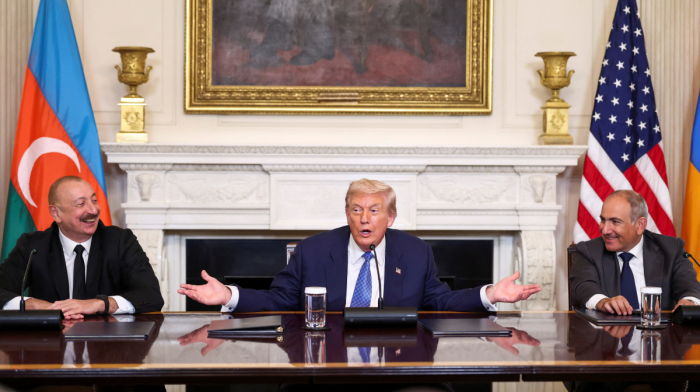
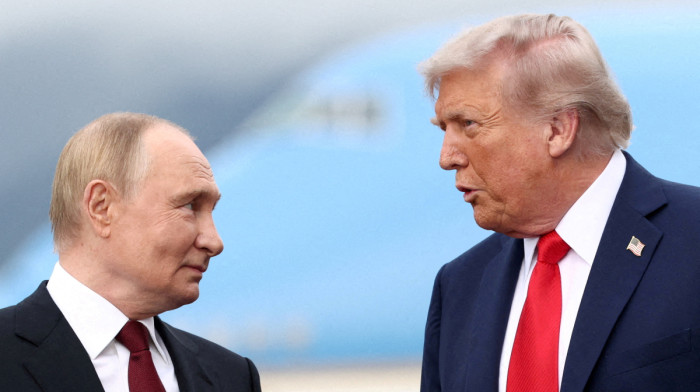
Trump has indicated that Washington remains in contact with Tehran, while Iran has warned that renewed attacks would trigger retaliation against U.S. and Israeli targets in the region.
The Strait of Hormuz remains a central issue in the negotiations because of its importance to international energy shipments and regional trade.
Qatar has maintained that continued engagement offers a way to prevent the conflict from expanding, even as Washington and Tehran remain divided over the terms of a possible agreement.











What is your opinion on this topic?
Leave the first comment