Oleshky's ceasefire is over, but the humanitarian crisis remains
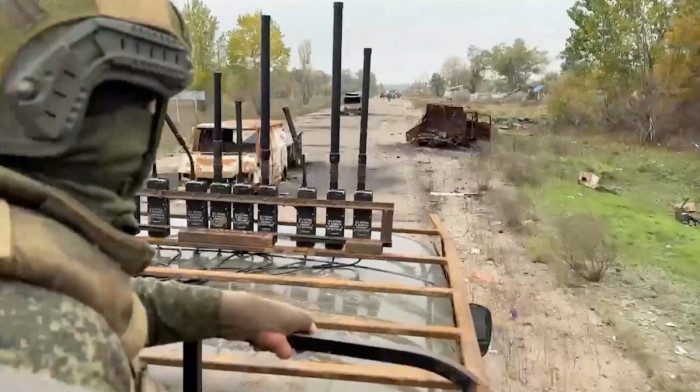
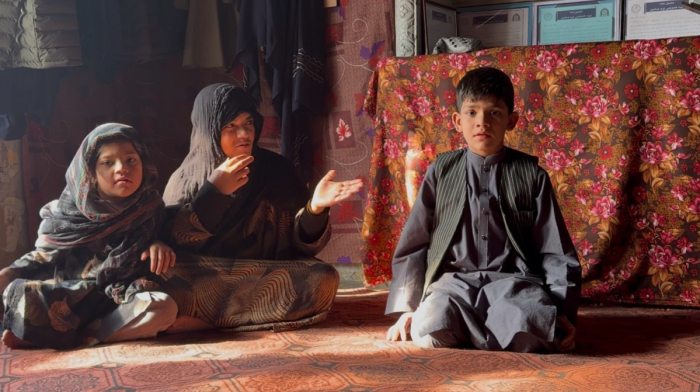
A six-day humanitarian ceasefire in the Russian-held Ukrainian town of Oleshky ended on Sunday, 1 November, after facilitating aid deliveries and c...
Iranian negotiators held a third consecutive day of talks with Qatari mediators in Doha on Sunday, 1 November, as diplomatic efforts to end the U.S.-Israeli war on Iran continue amid fears of renewed military action.
An official briefed on the discussions told Reuters that the negotiations were focused on finding a possible agreement to end the conflict and ease regional tensions.
Iranian Foreign Minister Abbas Araghchi said the talks were making progress but had yet to produce a final agreement.
He stressed that Tehran remained prepared for both military confrontation and diplomatic engagement.
“We are doing our best in this process, and we hope that there is rationality on the other side so that they prioritise diplomacy over other paths,” Araghchi said.
He also confirmed that discussions over a proposed two-day plan were continuing.
According to Araghchi, Iranian and Qatari negotiators have developed a proposal that could allow the Strait of Hormuz to reopen within two days of an agreement with Washington.
The strategic waterway is a major route for global oil shipments, and its continued disruption has added pressure to energy markets and regional economies.
Iran has warned that any renewed attacks could trigger strikes against U.S. and Israeli targets in neighbouring countries.
The diplomatic push comes as concerns grow that the conflict could escalate after the U.S. midterm elections on 3 November.
U.S. President Donald Trump has said Washington will not launch further attacks before the vote, while describing negotiations with Tehran as productive. However, he has not ruled out military action afterwards.
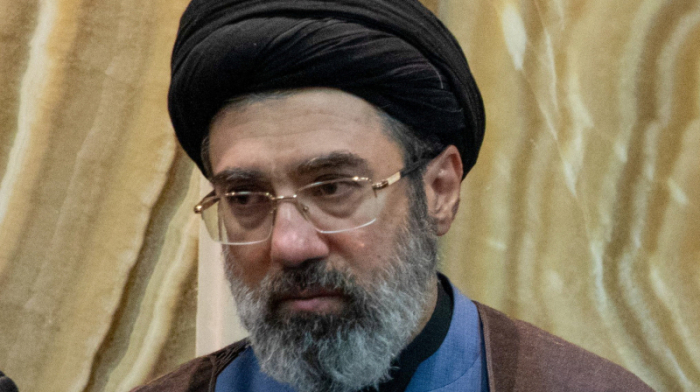
Iran's Supreme Leader Ayatollah Mojtaba Khamenei has meanwhile ordered the armed forces to remain prepared for a possible attack.
U.S. Secretary of State Marco Rubio said Trump had not made a decision on further strikes, adding that the president would prefer a diplomatic solution.
Qatari mediators travelled to Tehran on Friday, 30 October, before moving the discussions to Doha.
Contacts with Washington are continuing as efforts to reach an agreement move forward.
Iranian Supreme Leader Ayatollah Khamenei has ordered Iran's armed forces to respond to any threat immediately and without geographical limits in statements posted to social media platforms on Saturday (31 October).
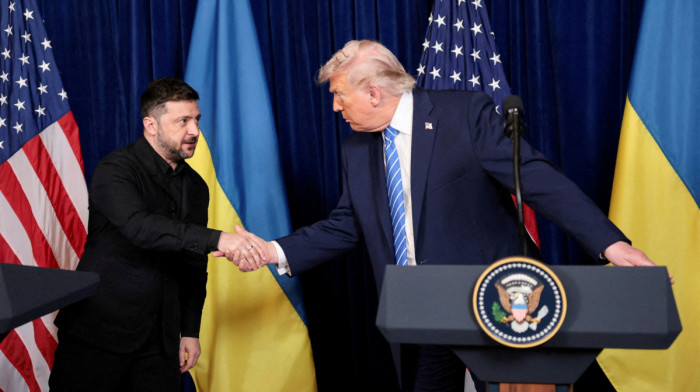
The U.S. has approved the sale of 500 Patriot PAC-3 missiles to Ukraine in a deal worth an estimated $2.1 billion, but Kyiv could face years of delays before receiving the weapons it urgently needs to defend against intensifying Russian attacks.
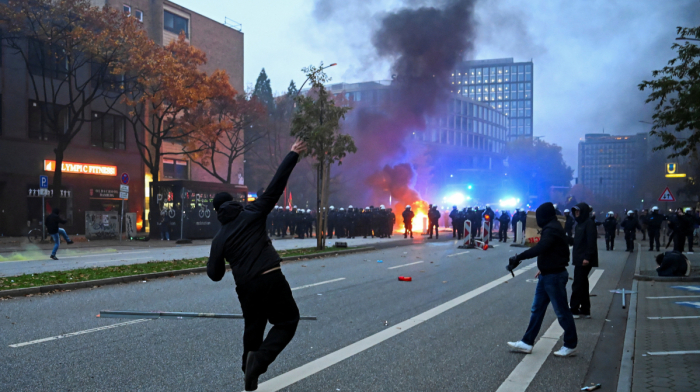
Gen Z protests swept 34 German cities on Saturday (31 October) over education and living costs. Violence erupted in Frankfurt, where shops were looted and police reported Molotov cocktail attacks.
Saudi Aramco's acquisition of a 49 per cent stake in artificial intelligence (AI) company HUMAIN is putting a spotlight on a wider investment question: why are some of the world's biggest energy companies moving deeper into AI, and what do they expect to gain?
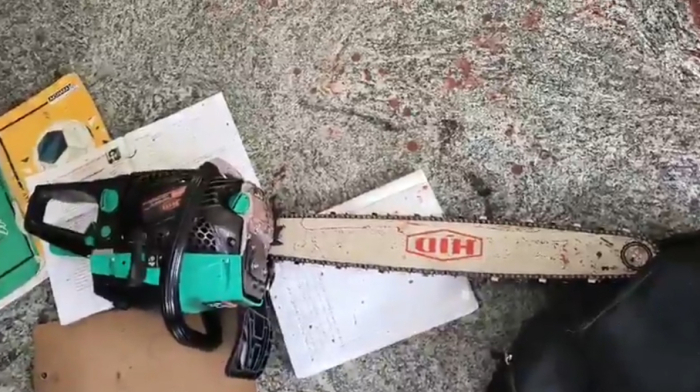
A tenth-grade student was critically injured after a man attacked her with a chainsaw inside a classroom in Andhra Pradesh’s Anantapur district. The girl suffered severe injuries to her head, neck and back, while a classmate who tried to protect her was also hurt.
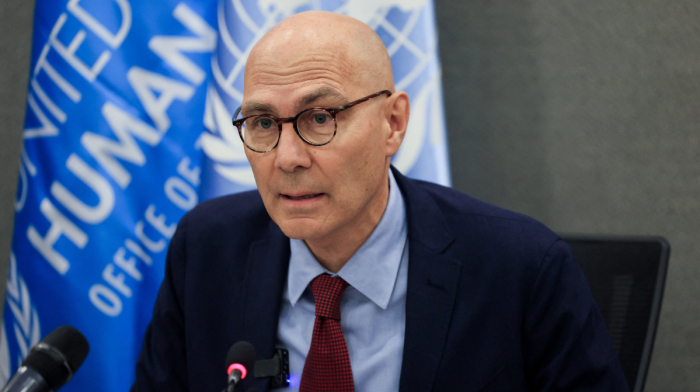
The United Nations is calling for an independent investigation into the death of a Yemeni employee of the United Nations Human Rights Office in Houthi detention. UN High Commissioner for Human Rights Volker Turk has also called for the release of other detained UN personnel.
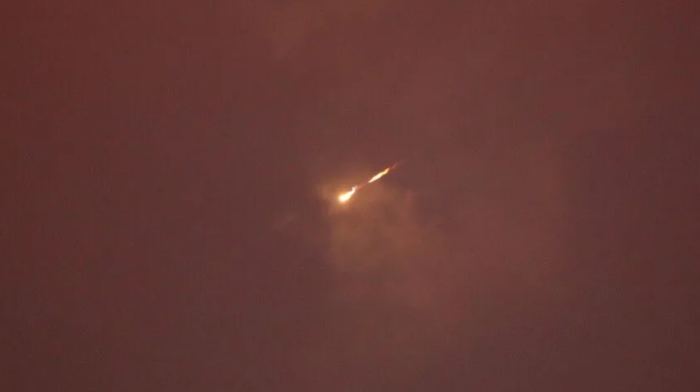
Saudi Arabia’s air defences have intercepted and destroyed a hostile drone over the Riyadh region, according to the Saudi-led coalition fighting in Yemen. No casualties were reported.
Since 2021, only 9 per cent of $8 billion in humanitarian aid for Afghanistan can be traced beyond initial recipients in public records, a Kabul Institute report released on 22 October said. The United Nations says its oversight systems ensure accountability.
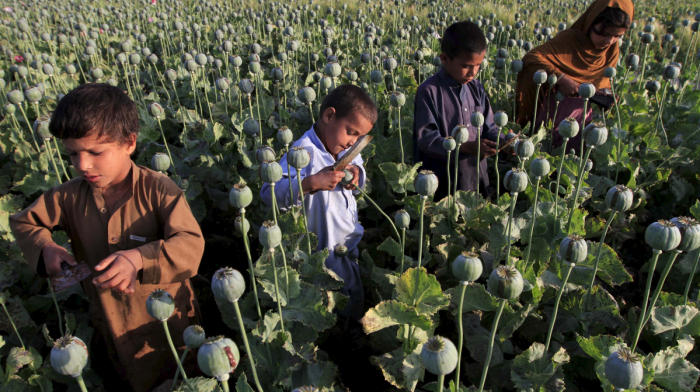
Opium poppy cultivation in Afghanistan surged by 330 per cent in 2026 despite a four-year ban, the United Nations said on Thursday. Afghan authorities disputed the findings, while Japan urged continued support for farmers seeking alternative livelihoods.
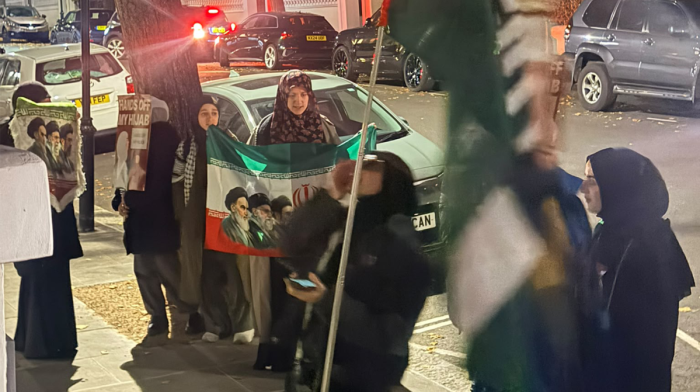
Demonstrators carrying Iranian flags and placards supporting the hijab gathered outside the Azerbaijani Embassy in London.
You can download the AnewZ application from Play Store and the App Store.
What is your opinion on this topic?
Leave the first comment