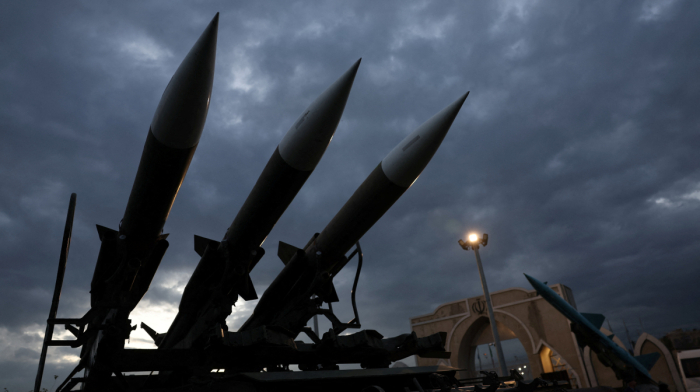
Iranian Supreme Leader Ayatollah Khamenei has ordered Iran's armed forces to respond to any threat immediately and without geographical limits in statements posted to social media platforms on Saturday (31 October).
“Any level or type of threat must be met with an immediate, impactful, and geographically unrestricted response,” a statement posted on Khamenei’s Telegram read.
It added that Tehran would decide when and under what circumstances retaliatory attacks ended if hostilities against Iran resumed.
“Should Iran’s enemies resume military or terrorist attacks, it will be the Armed Forces of the Islamic Republic and the Iranian nation that will determine when and under what conditions those attacks will end,” the directive said.
Khamenei had relayed the same information to senior commanders in the Iranian Armed Forces, the statement added. The same message appeared on Khamenei’s X account in a series of posts.
Khamenei also ordered army commanders to update their list of Israeli and U.S. targets, according to the directive.
Meanwhile, Iran's security chief Mohsen Rezaei told Iranian state TV that officials were debating whether to maintain Tehran's longstanding ban on nuclear weapons in the event that hostilities resumed. He added that a decision had yet to be taken.
Earlier, Iranian army spokesperson Mohammad Akraminia warned U.S. President Donald Trump that Iran would retaliate significantly against any future U.S. attacks.
“There is no doubt that the flames of war will engulf a much wider area, and the end of the conflict will not be in his [Trump’s] hands,” he wrote on X.
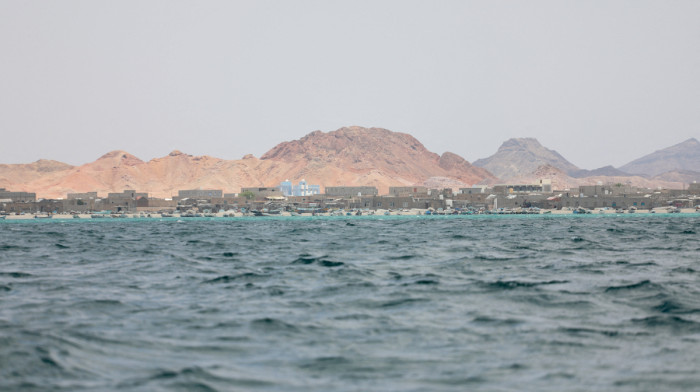
It came as Iran's navy said another tanker had caught fire in the Strait of Hormuz on Saturday, after striking mines while sailing in what it described as a prohibited area east of the waterway.
Rubio says Trump yet to decide whether to resume strikes
U.S. Secretary of State Marco Rubio told a news conference on Saturday that Trump had yet to reach a decision on whether to restart attacks against Iran.
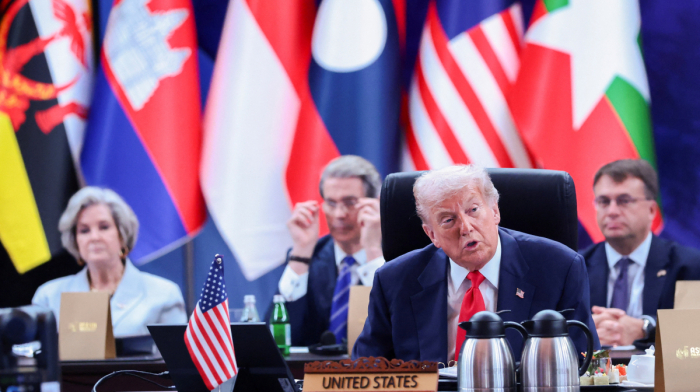
On Friday (30 October), Trump said that the war with Iran was going to end soon, without specifying how
“It's going to get wrapped up soon,” Trump said in an interview with regional U.S. radio station KCMO.
“We need a guarantee there'll never be a nuclear weapon,” he added.
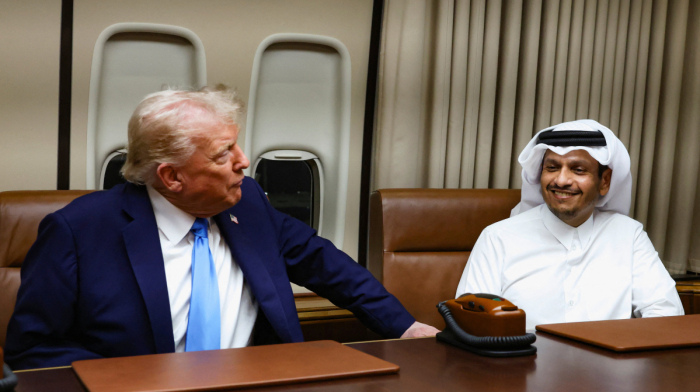
Iranian negotiators were in Doha on Saturday, continuing talks with Qatari mediators as part of efforts to bring about an end to the conflict between Iran and the U.S.
A round of talks in Tehran the previous day lasted more than 12 hours.
Officials said the Qatari team had remained in frequent contact with U.S. negotiators throughout the talks.
Rubio said he was unaware of any specific timeframe for the talks.
Read more form the Middle East conflict:










What is your opinion on this topic?
Leave the first comment