Iran designated Britain's Royal Navy and Royal Air Force as terrorist organisations on Sunday, (1 November), and classified the country's foreign intelligence agency, MI6, as a hostile group, according to a statement from the Iranian Foreign Ministry.
Tehran said the measures were retaliation for British actions against Iran, particularly London's decision to designate the Islamic Revolutionary Guard Corps (IRGC) under new national-security legislation in July.
The announcement adds to tensions between the two countries following the U.S.-Israeli military campaign against Iran earlier this year. Tehran also accused Britain of supporting those operations by providing access to military facilities and logistical infrastructure under British jurisdiction.
Iran's Foreign Ministry said the designations were authorised by the country's Supreme National Security Council in response to what it described as hostile British policies over the past year.
According to the statement, the Royal Navy and Royal Air Force would be classified as terrorist organisations under Iranian legislation for reciprocal measures against the designation of the IRGC.
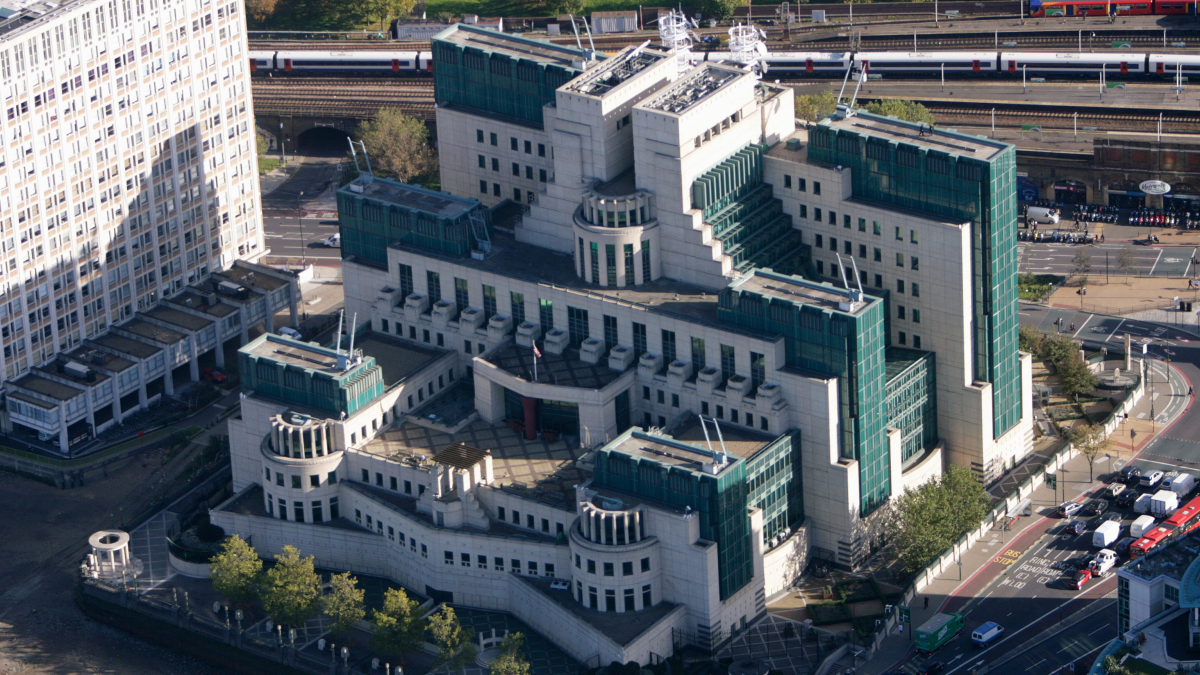
Britain's Secret Intelligence Service, commonly known as MI6, was separately classified as a hostile group under Iranian legislation addressing espionage and cooperation with states considered hostile to national security.
The ministry said the measures took effect upon publication of its statement on 1 November.
Tehran described the decision as consistent with international law and the principle of reciprocity, warning that Britain would bear responsibility for any consequences.
What triggered the dispute over the IRGC?
Britain announced plans on 13 July to designate the IRGC and two other organisations under the National Security (State Threats) Act 2026.
The designations formally took effect on 17 July, following parliamentary approval.
According to the UK Home Office, the legislation criminalises certain forms of support for, assistance to and receipt of material benefits from designated organisations, with penalties of up to 14 years in prison.
British authorities accused the IRGC of involvement in activities threatening national security, including operations linked to intimidation and attacks in Europe.
The designation differs legally from proscription under Britain's terrorism legislation, although the new framework introduces comparable restrictions on supporting designated bodies.
Iran has rejected the British measures and describes the IRGC as a legitimate component of its armed forces.
Britain's military role in the Iran conflict
The dispute also reflects opposing accounts of Britain's involvement in the conflict that began with U.S. and Israeli strikes against Iran on 28 February.
Keir Starmer, who was UK Prime Minister at the time, said the UK had not participated in the initial attacks. However, on 1 March, he confirmed that Washington had received permission to use British military bases for limited defensive operations targeting Iranian missile capabilities.
The British government maintained that its involvement was intended to protect regional allies and British personnel, rather than join the wider offensive campaign.
In March, London also confirmed that its agreement with Washington covered defensive operations against Iranian missile sites threatening shipping in the Strait of Hormuz.
Tehran disputes Britain's characterisation of its role and cites the use of British facilities as evidence of involvement in military operations against Iran.
Has Britain responded to Iran's announcement?
No official British government response specifically addressing the 1 November designations had been identified at the time of publishing this report.
London has previously defended its measures against the IRGC as necessary to counter foreign state-backed threats.
On 14 July, Britain's Foreign Office summoned Iran's acting head of mission in London over allegations that the IRGC's Quds Force had directed groups involved in attacks across Europe.
The Foreign Office said the UK's new legal measures were intended to disrupt activities threatening British security.
Iran's latest announcement introduces another point of confrontation between the two governments.
Read more:











What is your opinion on this topic?
Leave the first comment