Azerbaijan to showcase post-conflict urban development at World Urban Forum
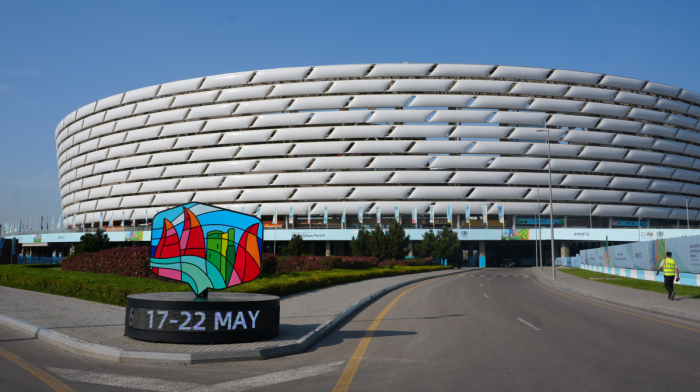
The 13th edition of the World Urban Forum, due to begin in Baku on Sunday (17 May), is an ideal opportunity for Azerbaijan to show the world what s...
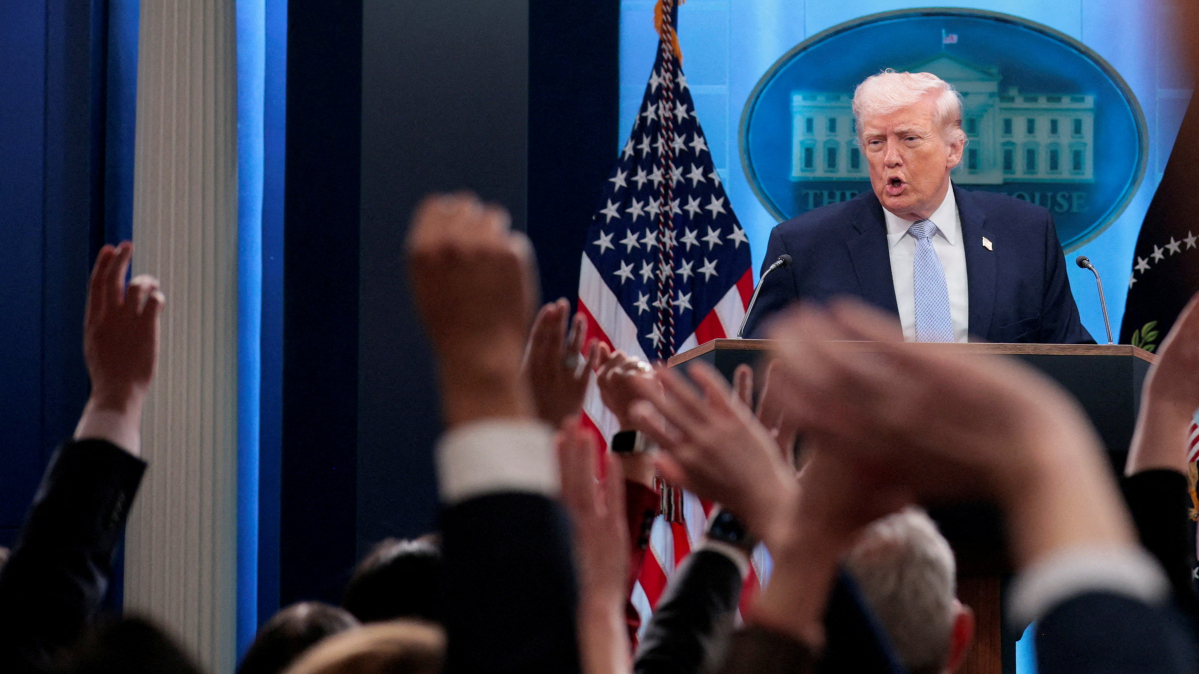
Donald Trump has warned that countries providing military weapons to Iran could face sweeping new tariffs, in a move that risks escalating economic tensions despite a recent ceasefire.
In a post on social media, the U.S. president said any nation supplying arms to Tehran would be hit with a 50% tariff on all goods exported to the United States, with no exemptions.
The announcement came just hours after Washington agreed to a two-week pause in hostilities with Iran, following weeks of strikes targeting its missile systems and military infrastructure.
“A country supplying military weapons to Iran will be immediately tariffed… 50%, effective immediately,” Trump wrote, without naming specific countries.
Although no country was identified, the warning is widely understood to be directed at China and Russia, both of which have historically supported Iran’s defence capabilities.
Beijing and Moscow have denied any recent involvement in supplying weapons, insisting they have taken a neutral stance and supported diplomatic efforts.
Recent reports, however, have suggested ongoing concerns within the U.S. administration about technology and components reaching Iran from abroad, including alleged links to Chinese firms. China has rejected those claims.
The proposal also raises questions about how such tariffs could be implemented. In February, the U.S. Supreme Court ruled that Trump had exceeded his authority by using emergency powers to impose broad global tariffs, limiting his ability to act quickly.
Trade specialists say alternative routes - such as targeted investigations under existing trade laws - are available, but would take time and may only apply to specific sectors rather than entire economies.
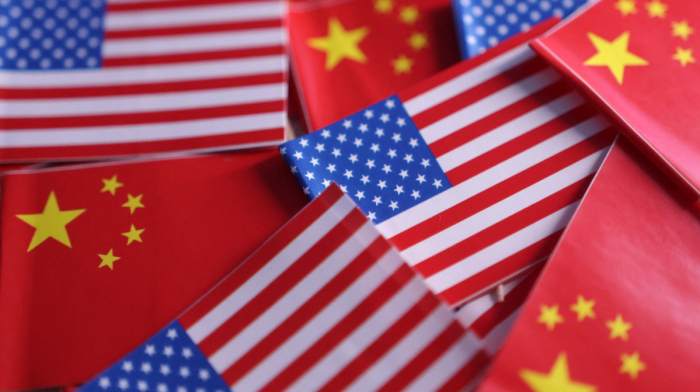
There are also concerns about the potential economic impact. The United States maintains extensive trade ties with China, and analysts warn that imposing steep tariffs could increase costs for American businesses and consumers.
At the same time, Washington has been seeking to avoid a major escalation in trade tensions, particularly ahead of a possible meeting between Trump and Chinese President Xi Jinping next month.
The latest threat suggests tariffs remain a central tool in Trump’s foreign policy approach, even as military tensions with Iran temporarily ease under the current ceasefire.
The U.S.-Israeli war with Iran loomed over U.S. President Donald Trump's visit to China, as signs emerged that the conflict is causing a shift in alliances across the Middle East.
When Donald Trump boarded Air Force One for Beijing on Tuesday, he brought two cabinet members whose presence in China would have seemed unlikely a year ago, highlighting an unusual moment in U.S.–China relations.
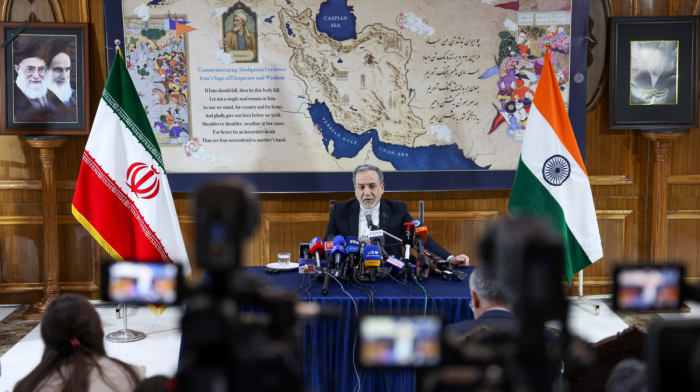
Iran’s Foreign Minister Abbas Araghchi said Tehran has “no trust” in the United States and will only consider negotiations if Washington shows seriousness. His remarks came as talks on Iran’s nuclear programme continued, with Trump and Xi also opposing Iran acquiring nuclear weapons.
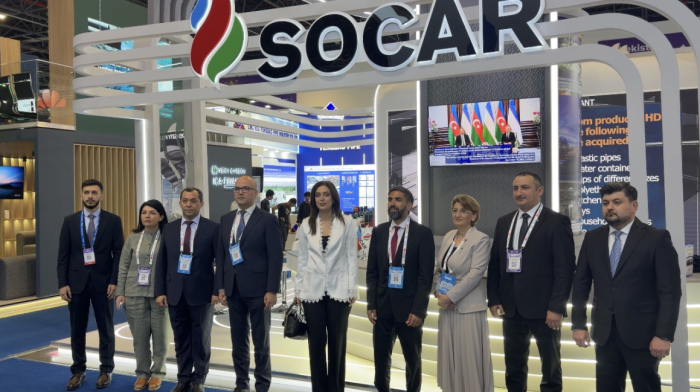
A new trilateral energy partnership involving Uzbekneftegaz, Azerbaijan’s state oil company SOCAR and BP has been announced during Uzbekistan Energy Week 2026 in Tashkent.
The Eurovision Song Contest opened in Vienna on Tuesday amid heightened political tensions, as Israel competed in the first semi-final despite a boycott by five European broadcasters over the war in Gaza.
Iran’s Foreign Minister Abbas Araghchi said Tehran has “no trust” in the United States and will only consider negotiations if Washington shows seriousness. His remarks came as talks on Iran’s nuclear programme continued, with Trump and Xi also opposing Iran acquiring nuclear weapons.
The U.S.-Israeli war with Iran loomed over U.S. President Donald Trump's visit to China, as signs emerged that the conflict is causing a shift in alliances across the Middle East.
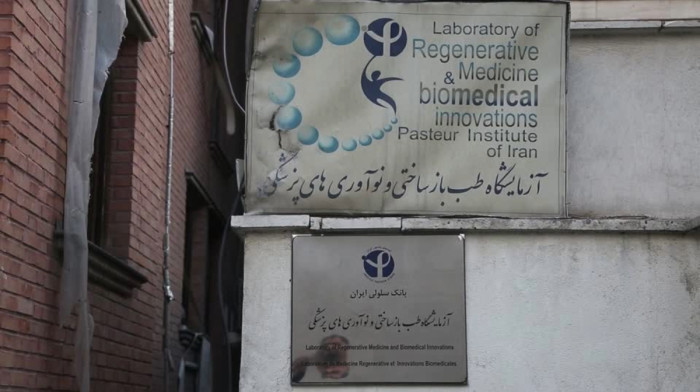
An article published in The Lancet, one of the world’s leading medical journals, has warned that damage to Iran’s Pasteur Institute during the Israel–U.S. war on the Islamic Republic poses a “serious threat to regional health security.”
U.S. President Donald Trump is expected to ask China to help end the costly and unpopular Iran war in discussions with President Xi Jinping in Beijing on Thursday, with peace talks stalled and the global economic cost of the conflict increasing.
U.S. President Donald Trump said he does not think he will need China's help to end the war with Iran as he left for a high-stakes summit in Beijing on Tuesday, as hopes for a lasting peace deal dwindled and Tehran tightened its grip over the Strait of Hormuz.
You can download the AnewZ application from Play Store and the App Store.
What is your opinion on this topic?
Leave the first comment