Russia will see revenue from its biggest single oil tax double to $9 billion in April, driven by the oil and gas crisis triggered by the U.S. and Israeli attack on Iran, Reuters calculations showed on Thursday.
The calculation provides some of the first concrete evidence of a windfall for Russia, the world’s second-largest oil exporter, from the Iran conflict, which traders say has sparked the most serious energy crisis in recent history.
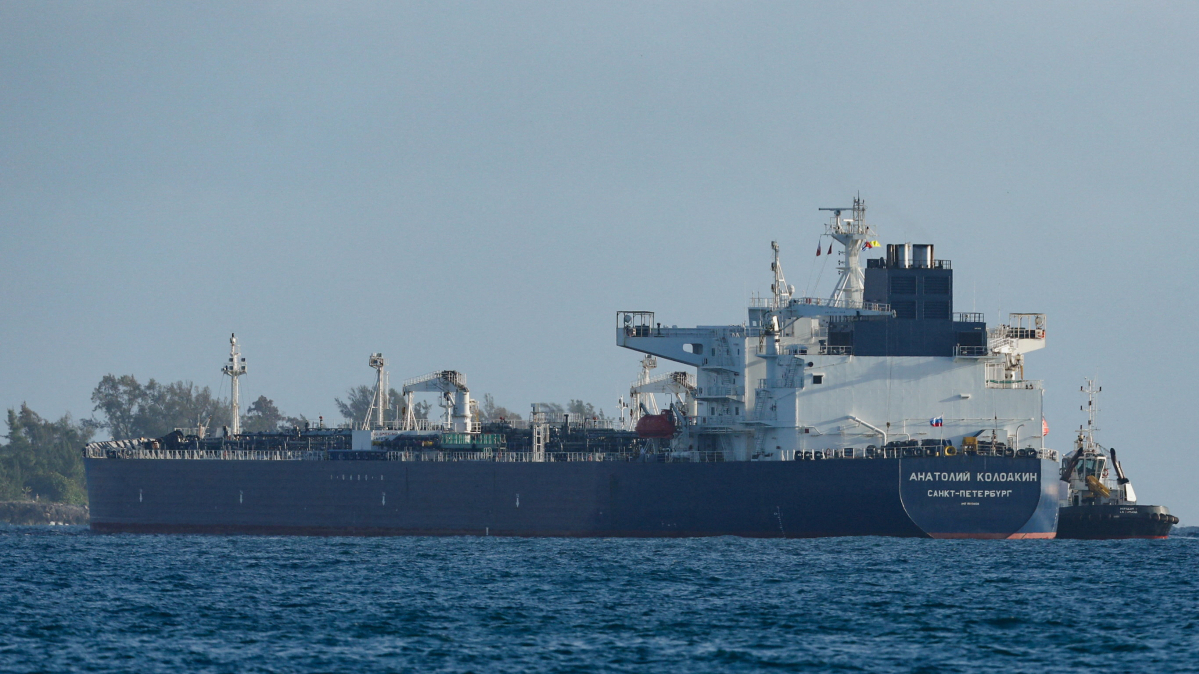
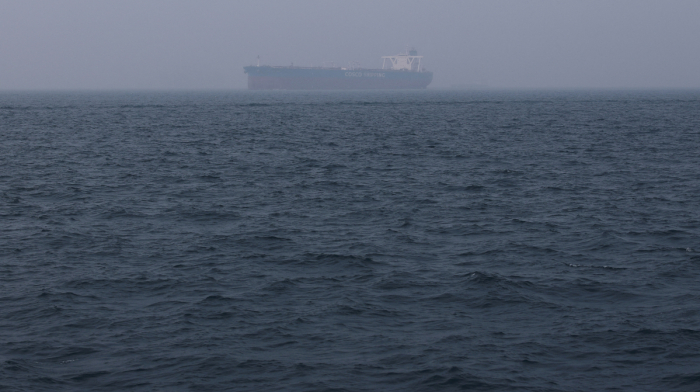
Iran effectively shut the Strait of Hormuz - a route for about a fifth of global oil and LNG flows - after U.S. and Israeli airstrikes at the end of February, sending Brent futures well past $100 per barrel.
Russia’s main revenue from its vast oil and gas industry is based on production. Export duty on crude oil was abolished at the start of 2024 as part of a wider tax manoeuvre, a years-long reform of the sector.
According to Reuters calculations based on preliminary production data and oil prices, Russia’s mineral extraction tax on oil output will rise in April to around 700 billion roubles ($9 billion), up from 327 billion roubles in March. Revenue is about 10% higher than in April last year.
For the whole of 2026, Russia has budgeted for 7.9 trillion roubles from the mineral extraction tax.
The average price of Russia’s Urals crude, used for taxation, jumped to $77 per barrel in March - its highest level since October 2023 - according to economy ministry data.
That was up 73% from February’s $44.59 per barrel and above the $59 level assumed in this year’s state budget.
Russia, the world’s second-largest oil exporter, is seen by many experts as one of the main economic beneficiaries of the conflict.
The crisis has come just as European consumers were attempting to end their reliance on Russian energy to punish Moscow for the invasion of Ukraine, and as Russia itself looks set to cut output following Ukrainian attacks on its oil infrastructure.
Huge demand
The Kremlin said on Tuesday there were a huge number of requests for Russian energy from a range of regions amid a grave global energy crisis that is shaking the foundations of oil and gas markets.
Still, there are limits to the windfall for Russia, and economists within the country have repeatedly cautioned that 2026 could be a difficult year.
Russia ran a budget deficit of 4.58 trillion roubles, or 1.9% of gross domestic product, in January–March 2026, the finance ministry said on Wednesday.
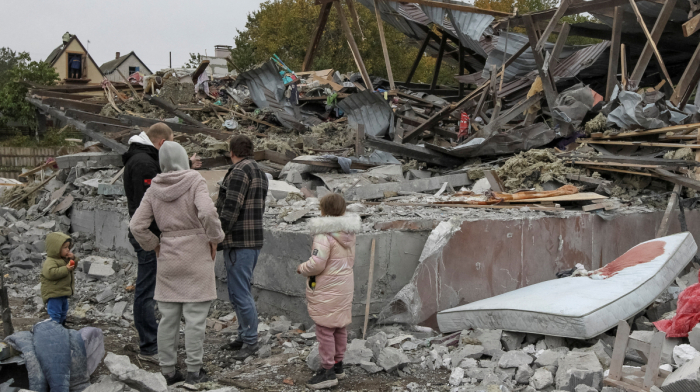
Ukraine’s attacks on Russian energy infrastructure, aimed at crippling Moscow’s finances, have also contributed to lower earnings and threaten further oil production cuts.
The scale of the windfall will ultimately depend on how long the Iran crisis lasts.
New trade opportunities
Russian Prime Minister Mikhail Mishustin said global supply disruptions caused by the war had opened up new trade opportunities for Moscow.
"For our country, the current situation - if we consider exclusively the economic aspects - creates new opportunities to improve the financial position of export-oriented industries and to provide additional budget revenues," Mishustin told a government meeting.
"Our country has the capacity to increase overseas shipments of resources that are currently scarce due to the Middle East crisis, or that may become scarce in the near term, including food-related supplies," Mishustin said.
Oil price hike
On Thursday, cracks that quickly appeared in the fragile Gulf ceasefire nudged oil prices back towards $100 per barrel.
Crucially, there was little sign that the Strait of Hormuz had reopened in any meaningful way, with Iran asserting control over the vital oil artery and demanding tolls for safe passage.
Brent crude futures rose 2.5% to $97.28 per barrel, while U.S. WTI futures climbed 3.3% to $97.55.
In later trading, Brent rose 2.1% to $96.86 per barrel, while U.S. crude futures gained 3.1% to $97.33.
















What is your opinion on this topic?
Leave the first comment