Central Asia is entering a period of acute water stress as glacier melt accelerates and ageing infrastructure wastes up to 40% of water supplies, fuelling concerns over food security and regional stability.
The region is facing mounting pressure on its water resources as climate change accelerates glacier melt and ageing infrastructure struggles to cope with growing demand. The scale of the challenge was laid bare in Dushanbe during the 35th Regional Conference of the Food and Agriculture Organization of the United Nations (FAO) for Europe and Central Asia, where experts warned the region is entering a period of acute water risk.
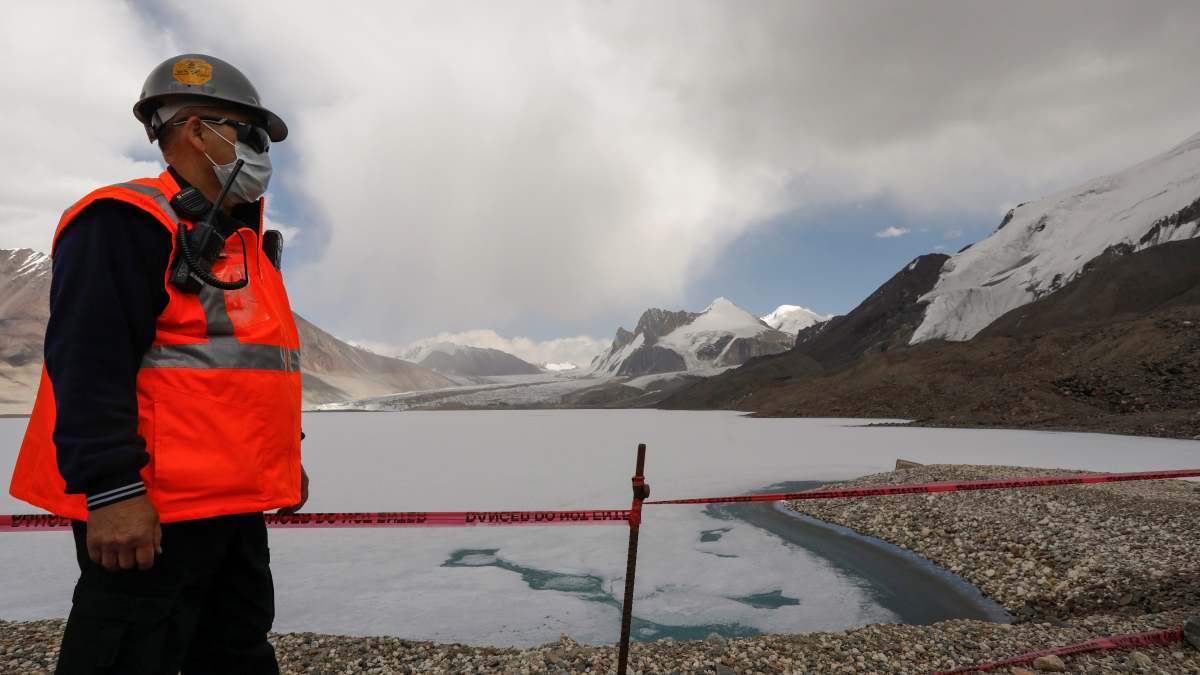
For decades, glaciers have acted as a natural reserve, sustaining river systems during the dry summer months when agricultural demand peaks. That buffer is now shrinking. UNESCO estimates glaciers across Central Asia have contracted by between 20% and 30% over the past 50 years, steadily reducing one of the region’s most important sources of freshwater. In the western Tian Shan alone, glacier coverage has declined by around 27% over the past two decades.
Ageing infrastructure deepens losses
But disappearing glaciers tell only part of the story. Even as water reserves diminish, a significant share of available supply is lost before reaching households or farmland. Experts at the conference said up to 40% of water is wasted through leaking canals, outdated irrigation systems and deteriorating infrastructure.
The wider picture points to a system under mounting strain. According to the Eurasian Development Bank, water supply and sanitation networks across Central Asia are worn out by as much as 80%, while losses in distribution systems may reach 55%.
The consequences are already becoming apparent. Per capita water availability in the region has almost halved since the Soviet era, falling from 3,500 cubic metres to 1,712 cubic metres by 2020.
At the same time, access to clean water remains uneven. Around 9.9 million people - 13.5% of Central Asia’s population - still lack access to safe drinking water, according to Eurasian Development Bank estimates. The figures highlight how water scarcity is becoming not only an environmental issue, but also an increasingly urgent social and public health concern.
Agriculture at risk
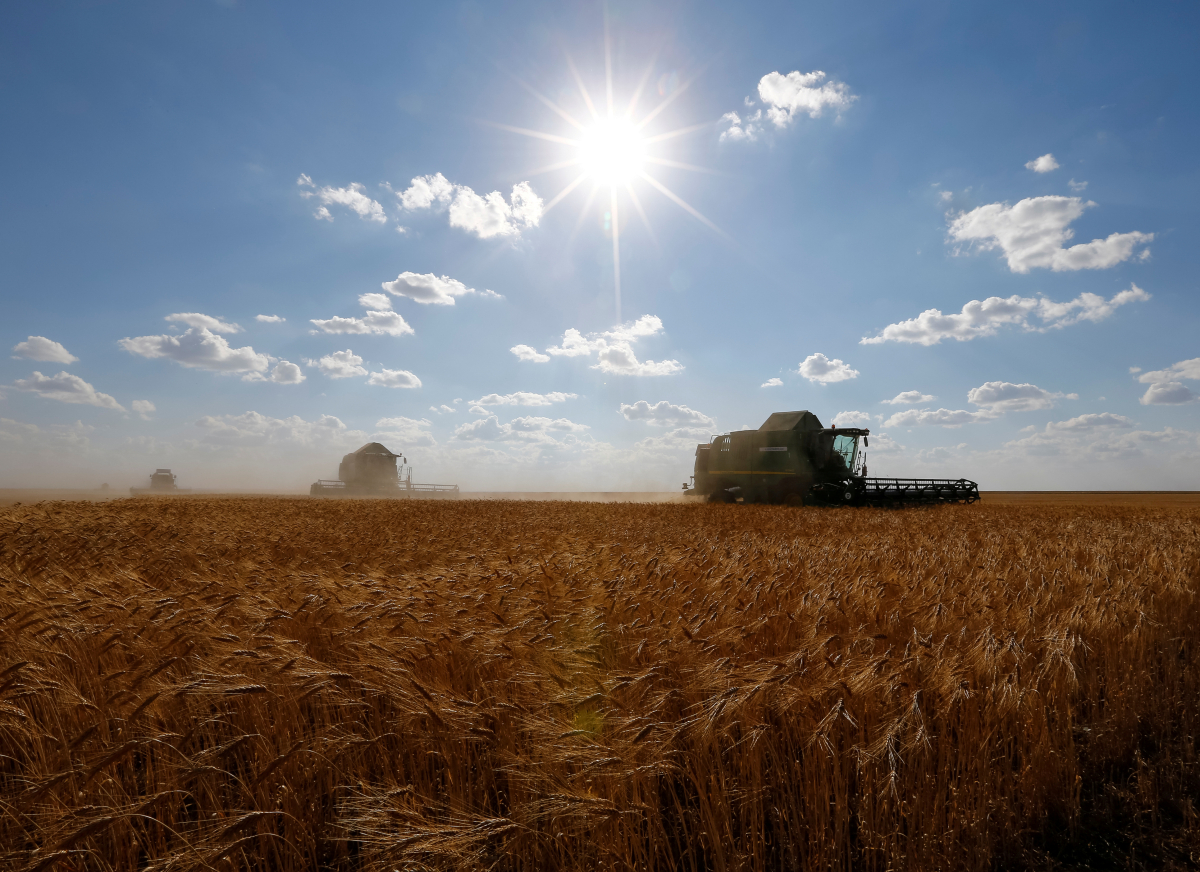
Agriculture sits at the centre of the challenge. As the largest consumer of water across much of Central Asia, the sector is particularly exposed to shrinking glacier reserves, disputes over transboundary water management and growing competition from hydropower generation.
For irrigated farming, which underpins food production across the region, using water more efficiently is no longer simply desirable, but increasingly necessary.
Against this backdrop, participants in Dushanbe announced plans to establish a Regional Centre for Climate-Optimised Seed Production and Agrobiodiversity. The proposed centre will focus on developing drought- and salt-resistant crop varieties capable of withstanding chronic water shortages and shifting climatic conditions, with the aim of helping agriculture adapt to a drier future.
Yet water scarcity is unfolding alongside another long-term challenge: environmental degradation. Pollution, biodiversity loss, land degradation and unsustainable resource use are placing additional pressure on ecosystems already struggling to adapt.
More than 20% of Central Asia’s land has degraded, according to the United Nations Convention to Combat Desertification — around 80 million hectares, an area more than five times the size of Tajikistan. The effects are estimated to impact roughly 30% of the region’s population.
Participants at the conference pointed to a range of possible responses, including modernising irrigation systems, improving water governance, increasing efficiency in agricultural water use, expanding renewable energy for irrigation and water supply, and strengthening cooperation over shared river basins.
But the message from Dushanbe was clear: without faster adaptation, the region risks facing not only lower agricultural output, but also a wider food security crisis in the years ahead.













What is your opinion on this topic?
Leave the first comment